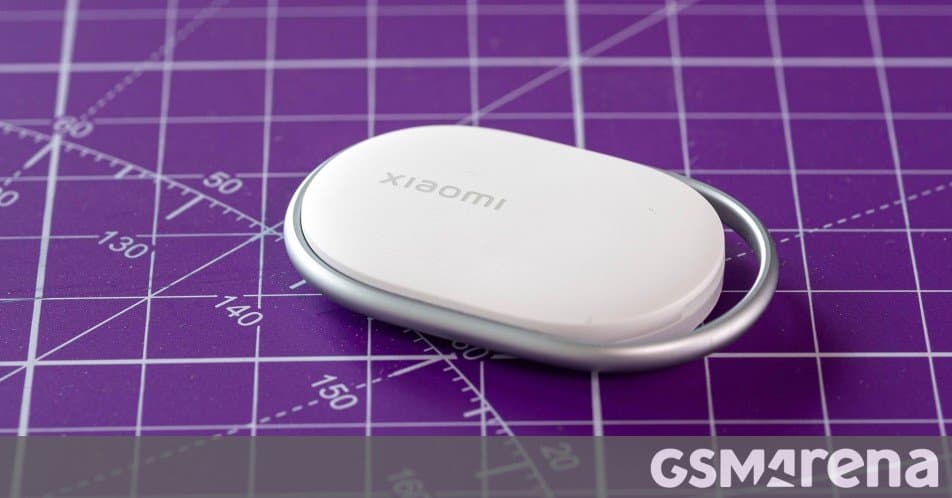
Xiaomi enters the item tracker market with a competitively priced, slim-designed tag that works with both Apple and Android ecosystems, offering significant savings over established competitors.
Xiaomi has officially entered the competitive item tracking market with the launch of its new Xiaomi Tag, a Bluetooth tracker designed to help users locate lost keys, wallets, bags, and other personal items. The device stands out in a crowded market dominated by Apple's AirTag, Samsung's SmartTag, and Motorola's Moto Tag, primarily through its aggressive pricing and thoughtful design that doesn't lock users into a single ecosystem.
Pricing That Undercuts the Competition
Perhaps the most striking aspect of the Xiaomi Tag is its price point. An individual tag costs just €18, while a four-pack retails for €60. This represents a significant savings compared to established competitors: Apple's second-generation AirTag costs €35 for a single unit or €120 for four, Samsung's SmartTag2 is priced at €40 (€130 for four), and Motorola's Moto Tag 2 matches Samsung's pricing at €40 per tag (€130 for four). Xiaomi's pricing undercuts these alternatives by more than half, making item tracking accessible to a much broader audience.
The company has a history of offering competitive pricing, but the margin here is particularly noteworthy, potentially reshaping consumer expectations for this category of product.
Slim Profile, Smart Design
Beyond pricing, the Xiaomi Tag impresses with its physical design. At just 7.2mm thick, it's notably slimmer than the 8.0mm thickness of Apple, Samsung, and Motorola's offerings. While a difference of less than a millimeter might seem negligible, it becomes significant when trying to slip the tag into a wallet, inner pocket of a travel bag, or slim wallet compartment.
Xiaomi has been particularly clever with the tag's design, incorporating a built-in metal ring that allows direct attachment to a keyring—a feature only Samsung's tag offers natively. Apple and Motorola's tags require separate cases or accessories for keyring attachment. However, the Xiaomi Tag's opening is smaller than Samsung's, preventing attachment to a carabiner without adding a separate keyring.
The dimensions reveal a trade-off: the Xiaomi Tag measures 46.5mm tall and 31mm wide, while Samsung's tag is taller at 52.4mm but narrower at 28.8mm. Users can add their own keyring to the Xiaomi Tag if carabiner attachment is desired.
Cross-Platform Compatibility
One of the most compelling features of the Xiaomi Tag is its cross-platform compatibility. Unlike its competitors, which are designed primarily for their respective ecosystems, the Xiaomi Tag works with both Apple's Find My network and Google's Android Find Hub. This flexibility means users aren't locked into a single ecosystem when using these trackers.
However, there's an important limitation: the tag cannot work with both ecosystems simultaneously. Users must choose which platform to pair with during setup. This is a reasonable compromise given the technical constraints of Bluetooth tracking systems, and it still represents a significant advantage over competitors that only support one ecosystem.
The cross-platform support is particularly valuable for households with mixed device ecosystems or for users who may switch between Android and iOS devices in the future. Once set up with a particular ecosystem, the tags will continue to work for years, eliminating the need to replace them when switching platforms.
Technical Specifications and Features
Under the hood, the Xiaomi Tag uses Bluetooth LE 5.4 for proximity finding, the latest standard in low-energy Bluetooth technology that offers improved range and efficiency compared to previous versions. When users get close enough to their lost item, they can activate the tag's built-in piezoelectric buzzer to help locate it through sound.
The tag includes a standard CR2032 button cell battery, which Xiaomi estimates will provide approximately one year of use before replacement is needed. This is consistent with the battery life expectations of competing products and uses a widely available, replaceable battery rather than a proprietary rechargeable solution.
For lost items that are further away, the Xiaomi Tag supports "Lost Mode," which allows users to add contact information that anyone finding the item can access. This functionality works through the tag's built-in NFC chip and is compatible with Apple's Find My network. When someone finds a lost item with a Xiaomi Tag in Lost Mode, they can tap their phone to the tag to view the contact information provided by the owner.
The tag is rated IP67, meaning it's dust-tight and can be submerged in up to 1 meter of water for 30 minutes without damage. This durability makes it suitable for attachment to backpacks, luggage, or other items that might be exposed to the elements. Additionally, the tag features a scratch-resistant finish to maintain its appearance over time.
Practical Applications and Considerations
The Xiaomi Tag's design and specifications make it suitable for various use cases. Its slim profile is ideal for sliding into a wallet, passport holder, or between cards in a wallet. The built-in keyring attachment makes it perfect for keys, bags, or pet collars. The IP67 rating ensures it can handle being attached to the outside of luggage or backpacks without concern for environmental damage.
One notable omission from the Xiaomi Tag is Ultra Wideband (UWB) support, which is found in Apple's AirTag and provides more precise location tracking when used with compatible devices. However, given the tag's price point, this omission is understandable and justifiable for most users' needs. As one reader commented, "While lacking UWB, considering such a cheap price it's not just forgivable."
The tag's cross-platform support is particularly valuable in today's mixed-device households. A family with some members using iPhones and others using Android phones can all use the same set of trackers without compatibility issues. This flexibility extends to users who may switch platforms over time, as the tags don't need to be replaced when changing devices.
Market Position and Future Outlook
Xiaomi's entry into the item tracker market brings a fresh perspective to a category that has been dominated by ecosystem-specific solutions. By offering a more affordable, cross-platform alternative with a thoughtfully slim design, Xiaomi has positioned the Tag as an attractive option for budget-conscious consumers and those who value flexibility over ecosystem lock-in.
The product launch aligns with Xiaomi's broader strategy of offering feature-rich devices at competitive prices across various categories. As the company continues to expand its presence in global markets, products like the Xiaomi Tag help establish its brand as a practical choice for everyday technology needs.
For consumers, the Xiaomi Tag represents an accessible entry point into the world of item tracking, with the added benefit of not being tied to a specific platform. Whether you're looking to keep track of your keys, wallet, luggage, or other frequently misplaced items, the Xiaomi Tag offers a compelling combination of affordability, functionality, and flexibility.
The Xiaomi Tag is now available for purchase, with individual units priced at €18 and four-packs available for €60. Given the competitive pricing and feature set, it's likely to appeal to a broad audience of users looking for a practical, no-frills item tracking solution.
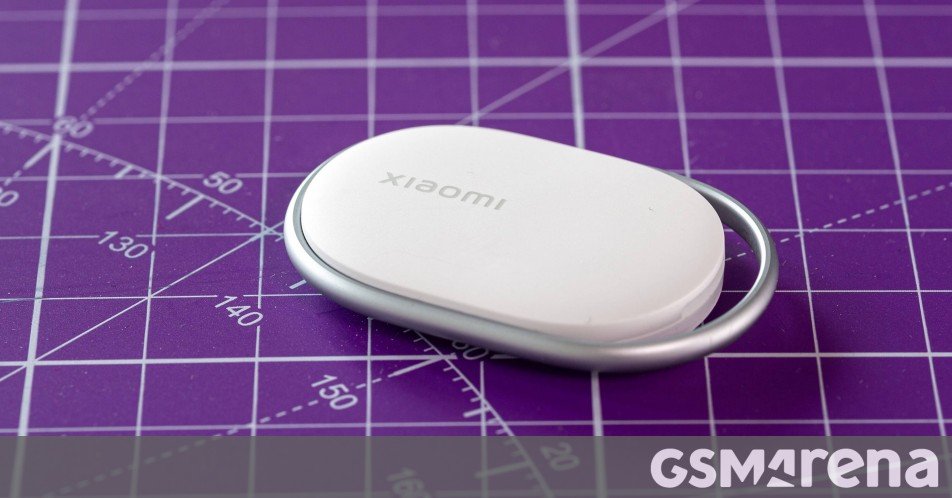
The Xiaomi Tag's slim profile and competitive pricing make it an attractive alternative to more expensive ecosystem-specific trackers.
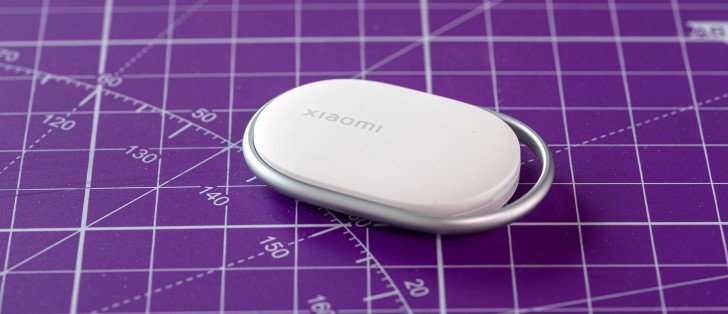
Xiaomi's cross-platform tag works with both Apple's Find My and Google's Android Find Hub, offering flexibility not found in competing products.
Comments
Please log in or register to join the discussion