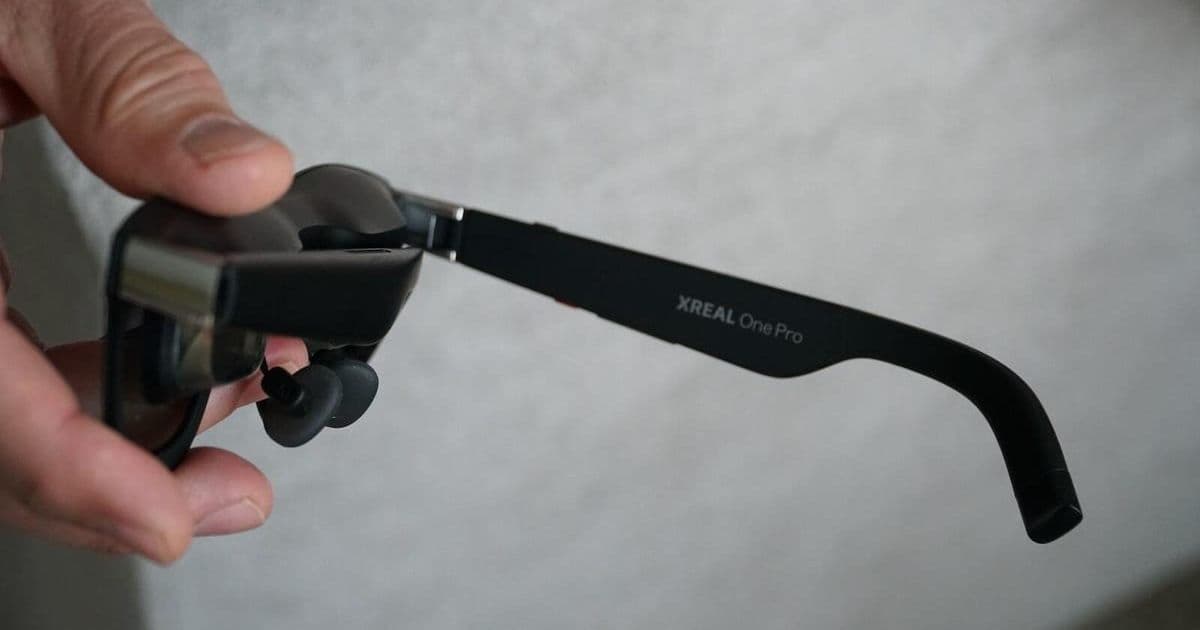
Augmented reality company Xreal is offering up to $475 cashback for trading in any glasses—including Meta Ray-Bans—toward its Xreal One or One Pro headsets. This strategic promotion aims to lure users from competitors and accelerate adoption of its ecosystem, with implications for the broader AR hardware market.
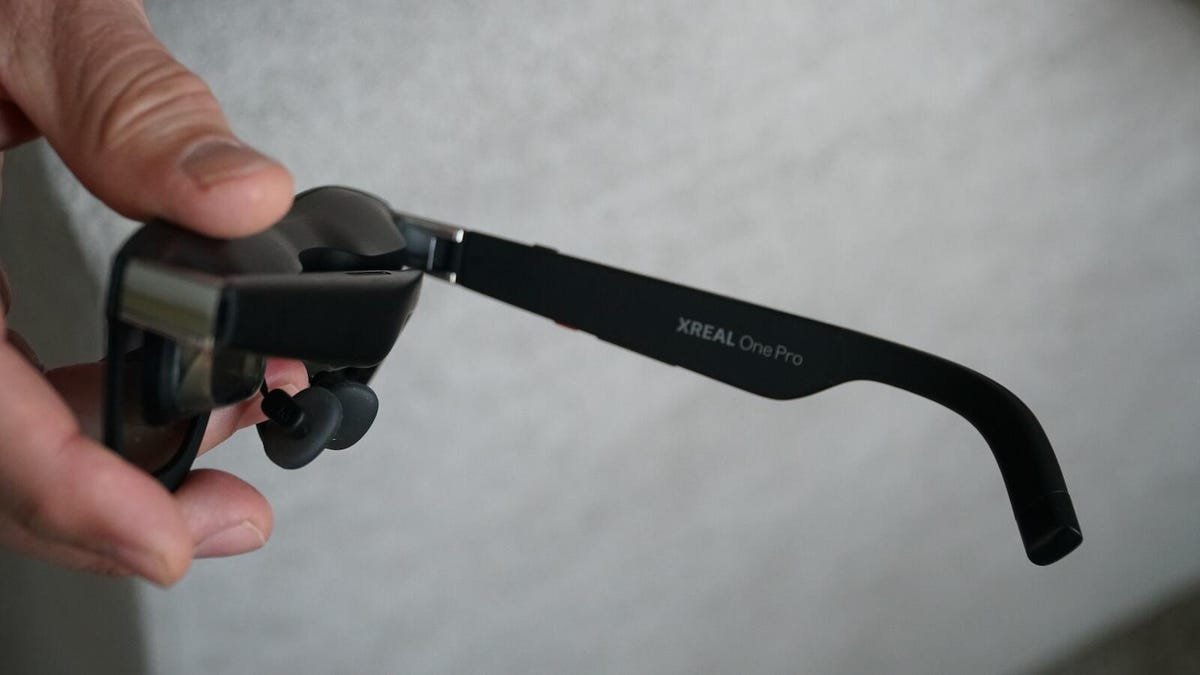
The augmented reality hardware wars are heating up, and Xreal is pulling no punches. In a bold move targeting Meta's Ray-Ban smart glasses dominance, Xreal has launched a limited-time trade-in program offering up to $475 cashback via digital MasterCard for users who swap their existing eyewear—any eyewear—for Xreal One or One Pro AR glasses. This isn't just a clearance sale; it's a calculated play to disrupt the AR landscape and capture market share from the tech giant.
How the Trade-In Gamble Works
The mechanics are straightforward but potent:
- Purchase Xreal One ($399) or One Pro ($599) directly from Xreal by August 15, 2025.
- Submit a valuation form within 30 days detailing your trade-in device.
- Ship qualifying glasses to Xreal using a provided label.
- Receive a digital MasterCard with your reward after approval.
What makes this audacious is its scope. While premium AR/VR headsets like the Meta Quest Pro fetch the maximum $475 rebate (effectively slashing the Xreal One Pro's cost by ~75%), even non-technical eyewear qualifies. Trade in reading glasses or sunglasses? That’s $75-$100 back. Offerings from rivals like RayNeo Air 3S or Viture Pro XR glasses net $145-$215. Xreal’s willingness to accept any glasses—functional or not—signals a land-grab strategy focused purely on user acquisition.
"This is less about recycling old tech and more about erecting barriers for competitors," notes AR industry analyst Lena Torres. "By subsidizing switches from Meta’s ecosystem, Xreal isn’t just selling hardware—it’s recruiting developers and content creators to its platform."
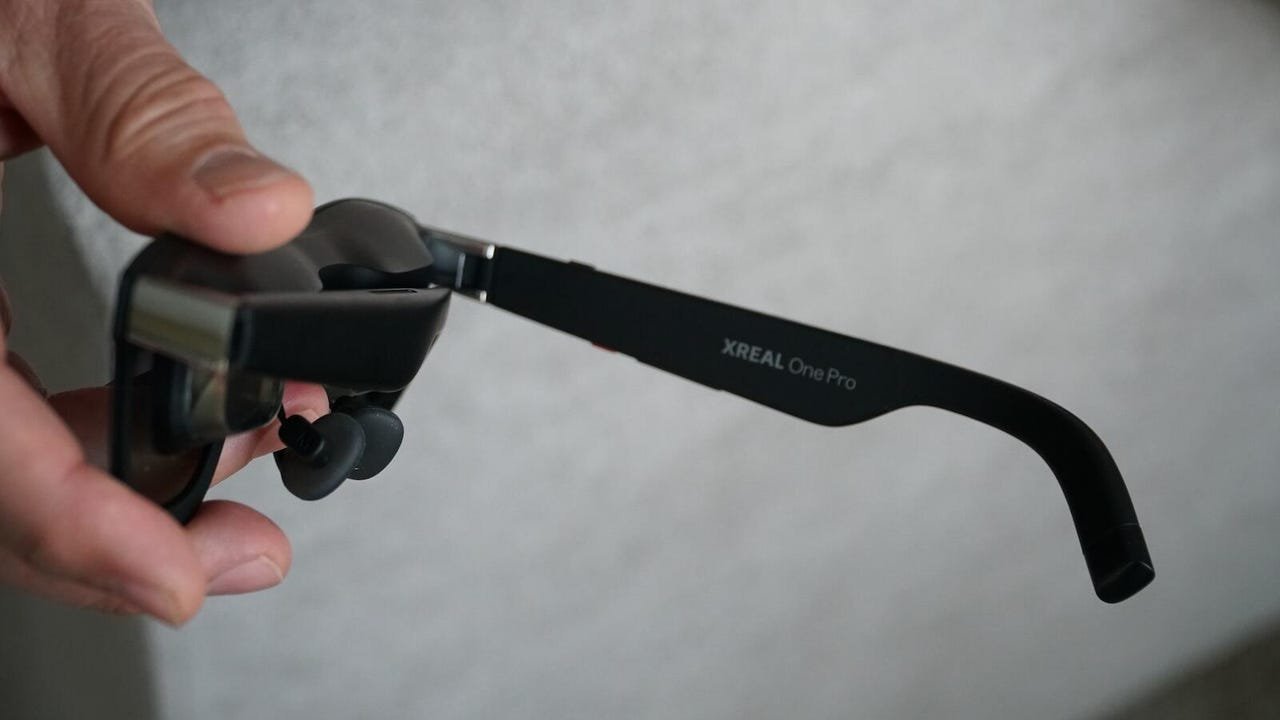 The Xreal One Pro features adjustable frames and aims to replace multiple monitors with virtual displays—a key selling point for developers and remote workers.
Why This Matters Beyond the Discount
For developers, Xreal’s aggressive pricing could accelerate mainstream AR adoption, expanding the potential user base for spatial computing applications. The Xreal One Pro, marketed as a portable workstation replacement, supports SDKs for custom app development—making this deal a potential catalyst for indie devs exploring AR interfaces.
Meta’s Ray-Bans currently lead in social and casual use cases, but Xreal is betting professionals will prioritize display fidelity and productivity. With trade-ins accepted until mid-August, the clock is ticking for users to capitalize. While the promotion demands effort (device validation, shipping logistics), the payoff—a heavily discounted entry into high-FOV AR—could reshape hardware loyalty in a fractured market.
As wearables evolve beyond novelty into essential tools, such trade-in skirmishes highlight a critical truth: in the race for augmented reality supremacy, user ecosystems are the real battlefield. Xreal’s play might just fragment Meta’s foothold—one pair of traded Ray-Bans at a time.
Source: ZDNET
Comments
Please log in or register to join the discussion