
Y Combinator's model of intensive, three-month founder development has produced an unprecedented concentration of successful companies, with alumni now commanding a combined valuation exceeding $1.3 trillion. The program's effectiveness stems not from capital alone, but from creating an environment of extreme urgency and peer pressure that compresses years of growth into weeks.
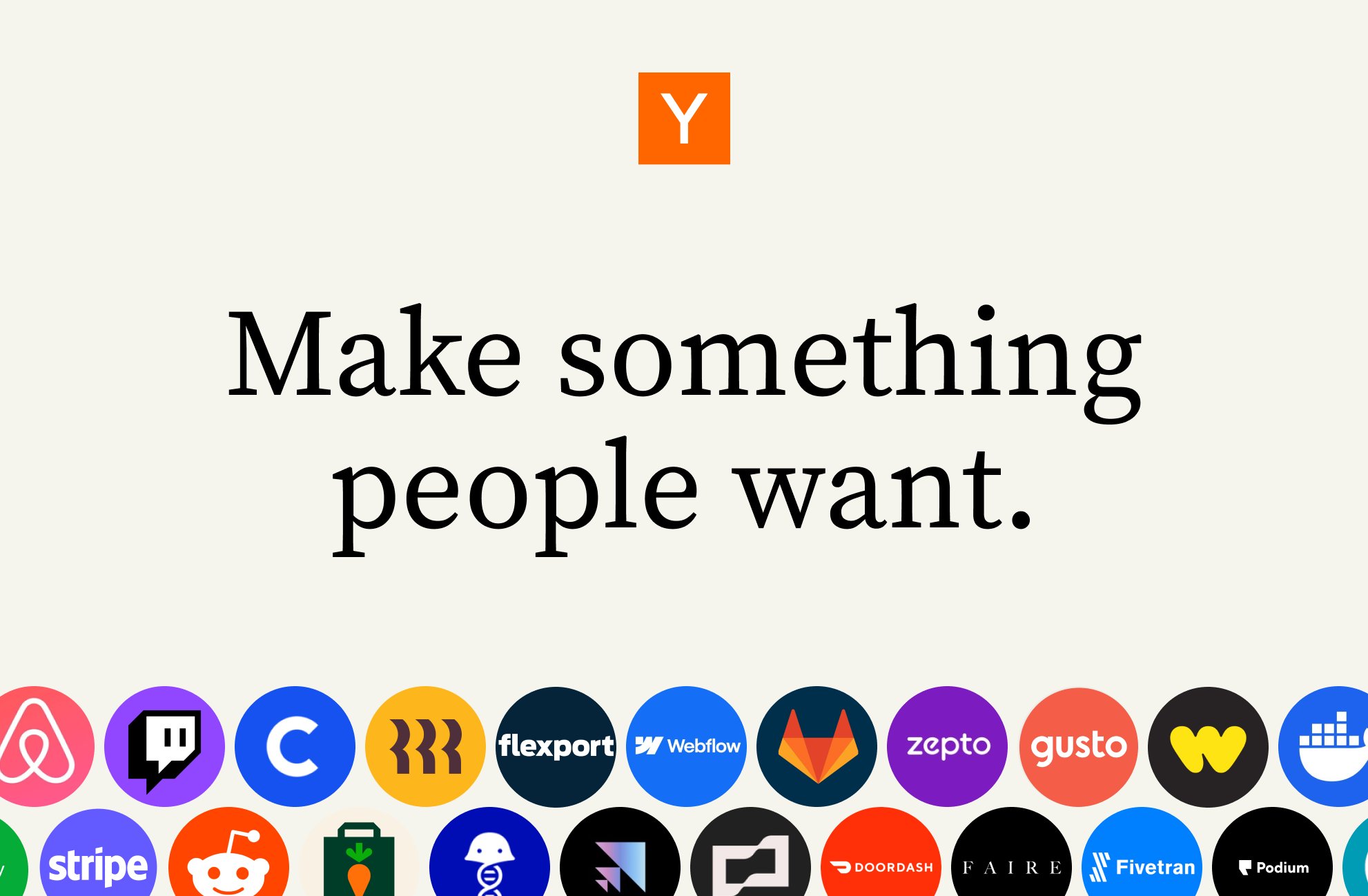
Y Combinator's impact on the technology landscape is quantifiable in ways that few other programs can claim. The accelerator's alumni network now includes companies with a combined valuation exceeding $1.3 trillion, including OpenAI ($500B), Stripe ($107B), Airbnb ($100B+ at IPO), and Coinbase ($86B at IPO). This concentration of value isn't accidental—it's the result of a specific, repeatable model that YC has refined since 2005.
The YC Model: Intensity Over Capital
Y Combinator's approach differs fundamentally from traditional venture capital. Instead of writing checks and waiting, YC invests $500,000 per company in exchange for 7% equity, then requires founders to relocate to San Francisco for three months of intensive work. The program culminates in Demo Day, where companies present to investors, but the relationship continues indefinitely through the alumni network.
The key insight is that YC doesn't just fund companies—it manufactures founders. As Paul Graham defines it, "A formidable founder is one who seems like they'll get what they want, regardless of whatever obstacles are in the way." The program's structure is designed to identify and cultivate this quality.
The Compression Effect
YC alumni consistently describe the program's most valuable output as a recalibration of their perception of speed. The environment creates what one founder called "the most productive period in most people's lives." This isn't hyperbole—it's a measurable phenomenon.
Consider the timeline of some notable YC companies:
- OpenAI: Sam Altman participated in YC's inaugural batch (S05) and later founded OpenAI as YC Research in 2015. The company is now valued at approximately $500 billion.
- Stripe: The Collison brothers participated twice—first in W07, then again in S09 when they started Stripe. The company now processes payments for much of the internet.
- Dropbox: Drew Houston and Arash Ferdowsi started at MIT and joined YC in S07. Dropbox had the biggest tech IPO of 2018 at a $9 billion valuation.
- Reddit: Alexis Ohanian and Steve Huffman were in the inaugural YC batch (S05) and took the company public in 2024 at a $6.4 billion valuation.
What's notable isn't just the success rate, but the diversity of outcomes. YC has produced everything from developer tools (GitLab, Replit) to consumer apps (DoorDash, Instacart) to infrastructure companies (Scale AI, Kalshi).
The Alumni Network as Force Multiplier
YC's value extends far beyond the three-month program. The alumni network functions as a permanent support system, providing advice, introductions, and sometimes direct investment. This network effect is particularly powerful because it's self-reinforcing—successful founders become partners, creating a feedback loop of expertise.
Many of YC's current partners were themselves YC founders:
- Garry Tan (Posterous, S08) co-founded Initialized Capital and was an early engineer at Palantir.
- Harj Taggar (Auctomatic, W07) co-founded Triplebyte and Auctomatic.
- Jared Friedman (Scribd, S06) co-founded one of the top 100 sites on the web.
- Tom Blomfield (GoCardless, S11) co-founded Monzo and was awarded an OBE in 2019.
This creates a unique dynamic: the people evaluating and mentoring new founders have themselves built companies that now comprise billions in market value. They understand the specific challenges of scaling from zero to one, and more importantly, they recognize patterns that indicate whether a founder has the "formidable" quality Graham describes.
The Pattern of Contrarian Thinking
YC's podcast, Lightcone, frequently discusses how founders identify opportunities where others see dead ends. The program doesn't seek consensus ideas—it looks for contrarian bets that seem impossible until they work. This pattern appears across YC's portfolio:
- Uber: Initially dismissed as a niche service for wealthy urbanites.
- Coinbase: Early skepticism about cryptocurrency's long-term viability.
- DoorDash: Doubts about the economics of food delivery.
- Flock Safety: Questions about the market for automated license plate readers.
The common thread isn't just contrarian thinking, but the ability to execute on that thinking despite widespread skepticism. YC's three-month intensive program seems to accelerate this development, forcing founders to confront and overcome objections quickly.
The Scale of Success
The numbers tell a compelling story. Since 2005, YC has invested in over 4,000 companies. While not all succeed, the concentration of value at the top is remarkable:
- OpenAI: $500B valuation
- Stripe: $107B valuation
- Airbnb: $100B+ at IPO
- Coinbase: $86B at IPO
- DoorDash: $39B at IPO
- Scale AI: 49% acquired by Meta for $14B in 2025
- Dropbox: $9B at IPO
- Reddit: $6.4B at IPO
- Instacart: $10B at IPO
- GitLab: $11B at IPO
- Kalshi: $11B valuation in 2025
- Replit: Over $3B valuation as AI coding platform
- Twitch: Acquired by Amazon for nearly $1B
This represents an extraordinary return on the $500,000 initial investment per company. More importantly, it demonstrates that YC's model of intensive, short-term founder development can be scaled and repeated.
The Modern YC Landscape
Today's YC continues to evolve. The program now accepts companies with "no revenue, product, or fully baked idea," focusing entirely on founder quality and vision. This represents a shift from evaluating business plans to evaluating people.
The current batch includes founders from diverse backgrounds, but the selection criteria remain consistent: evidence of "formidable" founder quality. This might be demonstrated through previous projects, deep technical expertise, or simply an unusual level of persistence and clarity of vision.
Practical Applications for Founders
For founders considering YC, the program offers several concrete benefits:
- Network Access: Direct connections to partners and alumni who have built billion-dollar companies.
- Intense Focus: Three months of concentrated work with minimal distractions.
- Investor Access: Demo Day provides exposure to hundreds of investors simultaneously.
- Peer Pressure: Working alongside other high-caliber founders creates a productive competitive environment.
- Ongoing Support: The alumni network continues to provide value long after Demo Day.
Limitations and Considerations
YC isn't a guarantee of success. The vast majority of startups still fail, even those accepted into YC. The program's intensity can be overwhelming, and the three-month timeline may not suit all business models, particularly those requiring longer development cycles.
Additionally, the concentration of success in a few companies means that while the average return is impressive, the median outcome may be less dramatic. Founders should view YC as a tool to accelerate their development, not a magic formula for success.
The Future of Founder Development
Y Combinator's model has been widely imitated but rarely replicated. The combination of capital, intensive mentorship, and network effects creates a unique ecosystem. As AI and other technologies continue to reshape the startup landscape, YC's focus on founder quality over specific business models may become even more valuable.
The program's success suggests that founder development can be systematized to some degree. While innate talent matters, the right environment can accelerate its expression. YC's three-month program appears to be that environment for a significant subset of founders.
For the technology industry more broadly, YC represents a concentrated source of innovation. The companies it produces don't just create value—they often define new categories. OpenAI is reshaping artificial intelligence, Stripe is redefining payments, and Airbnb transformed hospitality. Each of these companies started with a founder who believed they could overcome any obstacle.
The $1.3 trillion in combined valuation isn't just a number—it's evidence that intensive, focused founder development can produce extraordinary results. As YC continues to refine its model, it will likely remain a central force in shaping the future of technology.
Related Resources:
Comments
Please log in or register to join the discussion