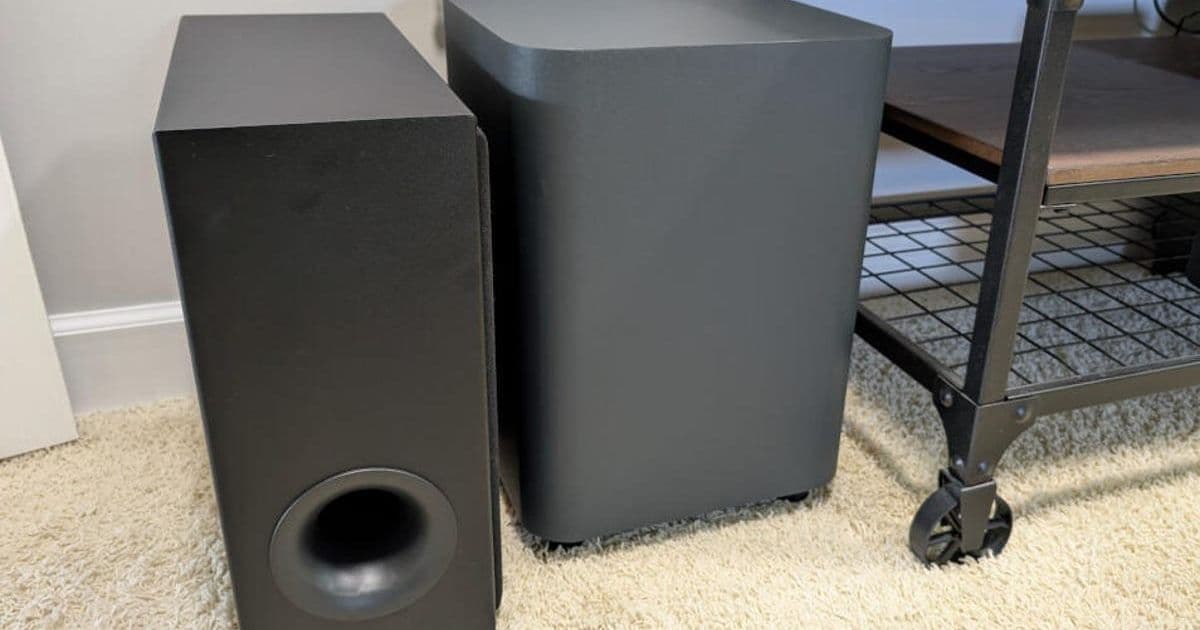
The Yamaha True X Bar 50A soundbar punches above its weight with rich, well-balanced sound that challenges pricier competitors like JBL and Sonos, despite a finicky setup. Its Dolby Atmos support and Clear Voice technology make it a compelling mid-range upgrade for home entertainment systems. For developers and audio engineers, it showcases how accessible audio innovation is reshaping consumer expectations.
Yamaha True X Bar 50A: Technical Deep Dive into a Budget Audio Contender
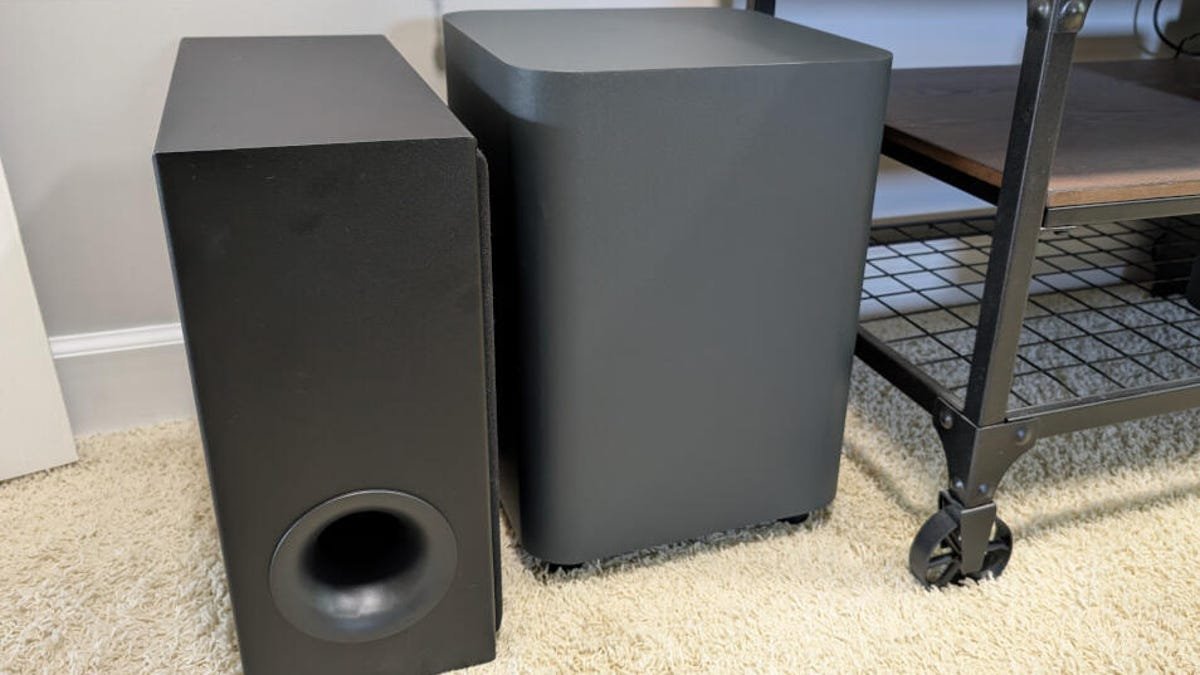
In a market dominated by giants like JBL and Sonos, Yamaha's True X Bar 50A soundbar emerges as a dark horse, delivering audio quality that defies its $499 price tag. According to Jack Wallen's review for ZDNET, this system produces "rich, deep, well-blended, and spacious" sound, rivaling setups twice its cost. But it's not just about volume—technical nuances like its 280W output power and dual built-in subwoofers create a layered audio experience that elevates everything from dialogue-heavy films to immersive gaming.
The Setup Hurdle: A Developer’s Perspective
The True X Bar 50A’s Achilles' heel is its complex setup process. Wallen noted it took "several attempts" to connect the wireless subwoofer and surround speakers, partly due to firmware quirks and battery dependencies. As he described:
"The issue with the surround speakers turned out to be a low battery—they needed to be fully charged via USB-C before they would connect. Even then, the setup process is somewhat confusing, requiring you to download a manual on your phone using a QR code for guidance."
For engineers, this highlights a recurring challenge in IoT integration: seamless device pairing remains elusive even in consumer audio. Once operational, though, the system shines. The included remote allows granular control over modes (Standard, Movie, Music, Game, All) and bass levels, appealing to tinkerers who value customization.
Audio Performance: Breaking Down the Tech
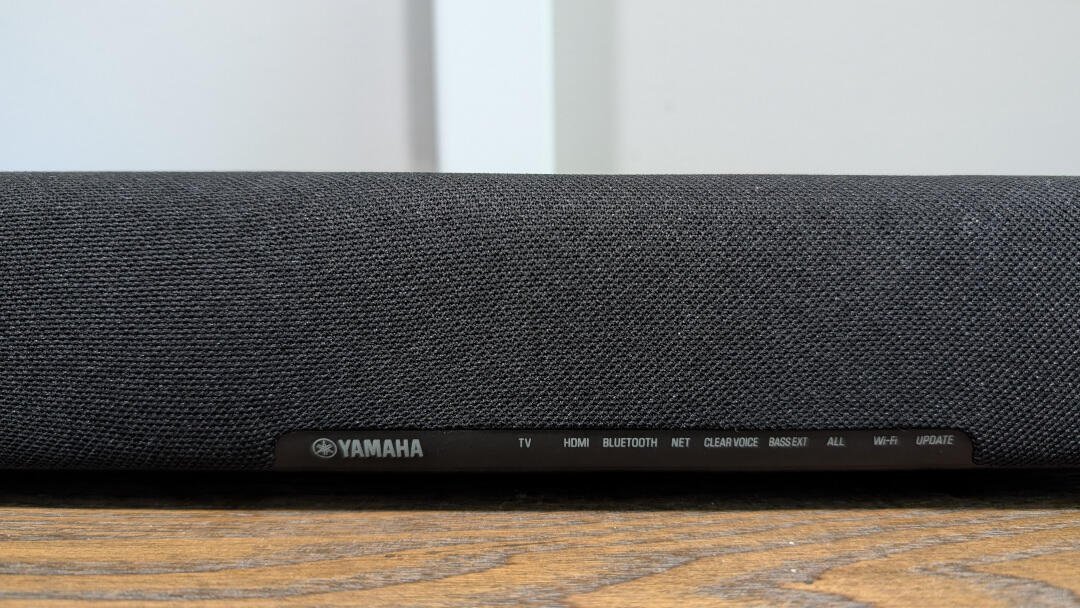
Where the True X Bar 50A excels is its acoustic engineering. Unlike many mid-range soundbars that overemphasize midranges (leading to tinny vocals), Yamaha balances frequencies for a fuller sound profile. Key specs driving this:
- Drivers: Front L/R 4.6cm cones, Height L/R 5.2cm cones, dual 7.5cm built-in subwoofers, plus a 16cm wireless subwoofer.
- Power: 280W total output (30W x 2 for front/height channels, 100W for sub).
- Dolby Atmos: While not fully immersive at this price, it creates a spacious effect that outperforms most competitors.
The Clear Voice feature, which enhances dialogue clarity, proved essential for films like Oppenheimer. For developers working on audio algorithms, this underscores the value of targeted frequency tuning in overcoming real-world playback issues.
The Ecosystem Play: Surround Speakers and Real-World Value
Adding the $150 True X Speaker 1A surrounds (sold separately) enhances immersion, though they lack the volume punch of premium alternatives. Wallen observed that JBL’s system offers more dramatic spatial effects, but Yamaha’s "All" mode—which routes audio to all speakers simultaneously—solves common dialogue intelligibility problems. Battery life for the surrounds is ~12 hours, but Wallen advises keeping them plugged in via USB-C to avoid mid-movie dropouts.
For under $850 with surrounds, this package represents a strategic win in accessible high-fidelity audio. As Wallen concludes: "If you don’t have the budget for a $1,000+ soundbar, but you still want high-quality sound, the Yamaha True X Bar 50A is a brilliant option."
Why This Matters for Tech Innovators
Yamaha’s approach signals a broader trend: advanced audio tech is no longer gatekept by luxury pricing. By optimizing driver arrays and software processing, they’ve created a system that challenges costlier models—a lesson in efficient engineering for developers designing consumer hardware. While setup friction reminds us that user experience is as critical as specs, the True X Bar 50A ultimately proves that exceptional sound shouldn’t require a premium badge or premium price.
Comments
Please log in or register to join the discussion