
The Japanese yen weakened to a one-year low against the US dollar amid speculation about a potential snap election, raising concerns about imported inflation and policy responses.
The yen tumbled to ¥158.40 against the US dollar on January 9, 2026, marking its weakest level since January 2025 and triggering alarm among Japanese policymakers. This 1.8% single-day decline came after reports surfaced that Prime Minister Sanae Takaichi might dissolve parliament for snap elections, injecting political uncertainty into currency markets already pressured by widening interest rate differentials.
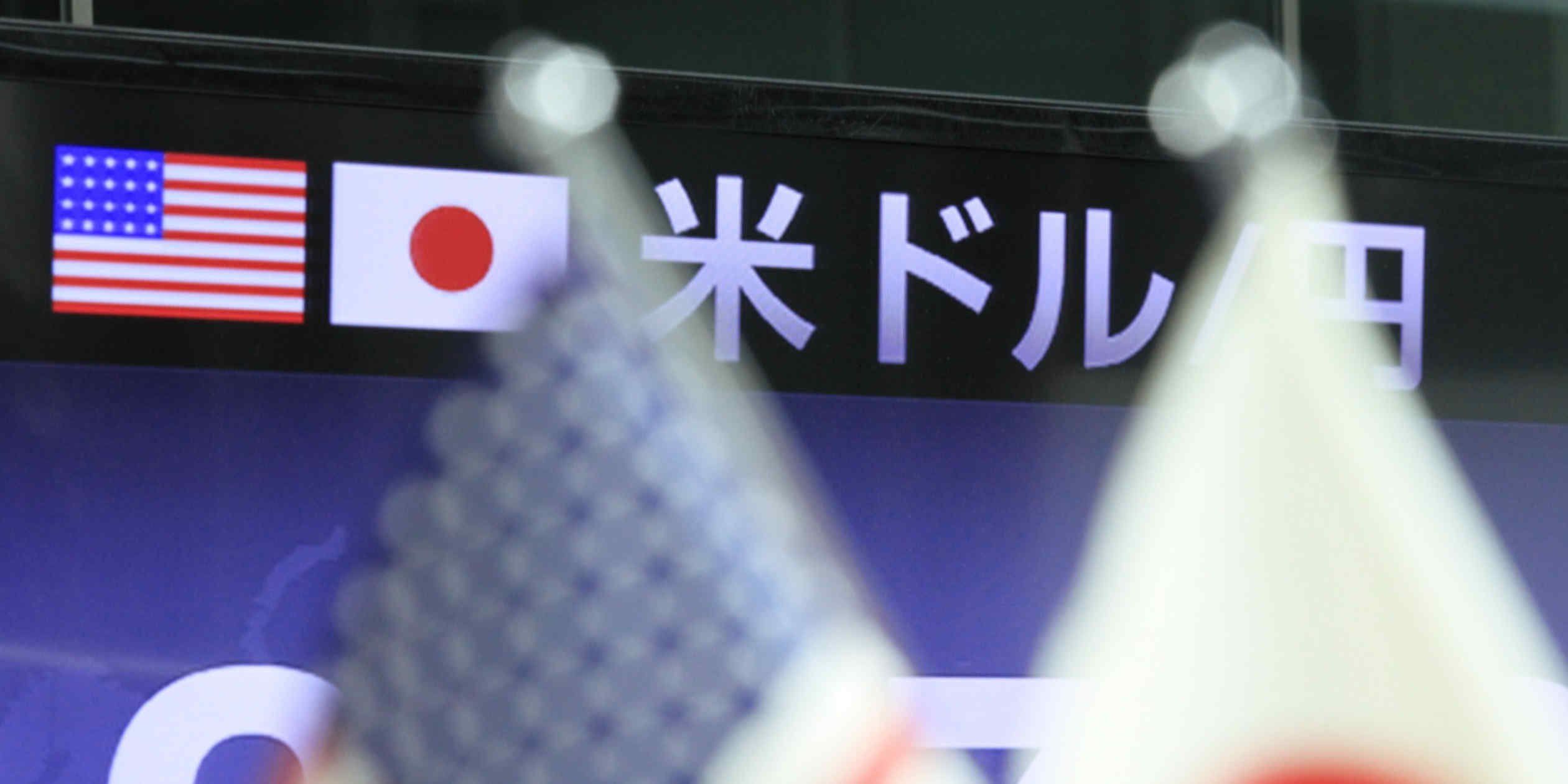
Market data reveals the yen has depreciated 12% against the dollar over the past six months, with Friday's move representing the sharpest single-session drop in nine months. The currency's slide accelerated following stronger-than-expected US payroll data, which reinforced expectations that the Federal Reserve will maintain elevated interest rates. Japan's benchmark rate remains near zero (-0.1%), creating a yield gap exceeding 5 percentage points that continues to drive capital toward dollar-denominated assets.
For Japan's economy, the implications are multifaceted. Import costs for energy and raw materials—which account for approximately 34% of Japan's import basket—will surge, potentially reigniting inflationary pressures after December's 2.4% CPI reading. Manufacturers relying on imported components face squeezed margins, though exporters like Toyota stand to benefit from favorable exchange rates on overseas sales. Toyota recently leveraged currency advantages to capture Japan's EV sales leadership with 28,000 units sold last quarter.
The Ministry of Finance now faces mounting pressure to intervene, having previously spent ¥9.8 trillion ($62 billion) in 2025 to support the currency. Market analysts estimate sustained levels above ¥155 could trigger renewed intervention, though effectiveness remains questionable without coordinated G7 support. Meanwhile, corporations face hedging challenges, with major trading houses reporting derivative coverage ratios falling below 50% for Q1 2026 exposures.
Looking ahead, traders will scrutinize three catalysts: the Bank of Japan's policy meeting on January 20, US inflation data on January 12, and any official announcement regarding snap elections. Technical analysis suggests resistance at ¥160 could become the next psychological threshold, with sustained weakness potentially forcing Japanese institutional investors to accelerate overseas bond purchases—creating a self-reinforcing depreciation cycle. For tech firms with global supply chains, this volatility necessitates urgent recalibration of procurement strategies and pricing models.
Comments
Please log in or register to join the discussion