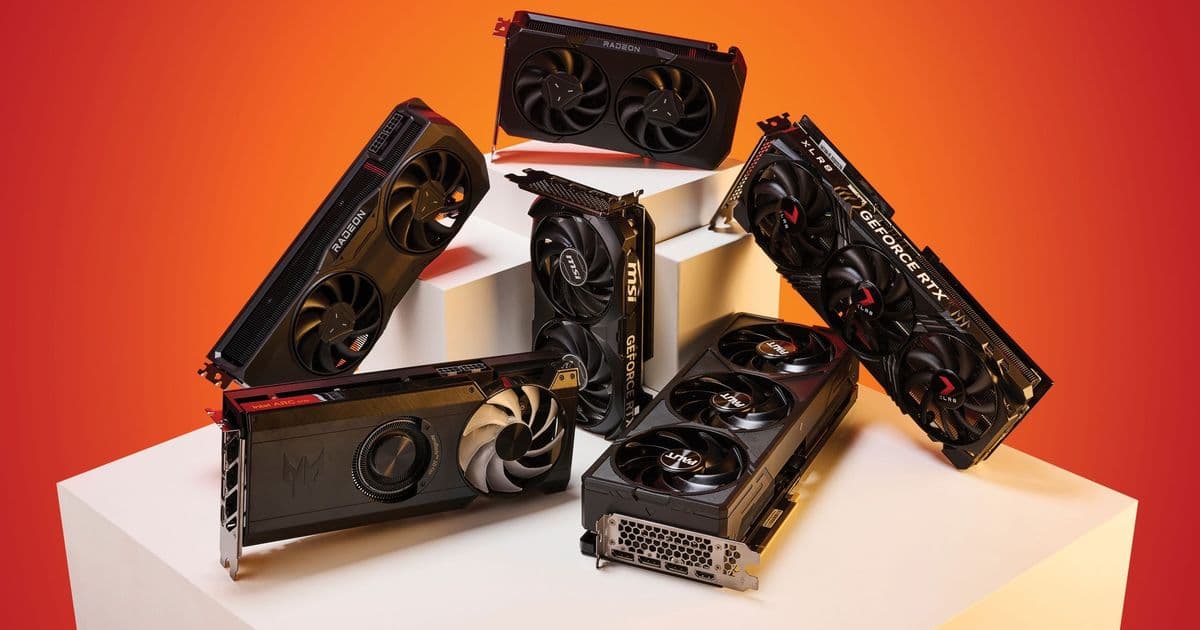
Graphics card manufacturer Zotac has issued a dire warning about the GPU industry's survival, citing severe memory shortages that have already driven prices up 65-100% on flagship models and threaten to eliminate entire product lines from shelves.
The graphics card industry is facing what Zotac describes as an existential crisis, with the company warning that severe memory shortages could threaten the very survival of GPU manufacturers and distributors. In an urgent message to Korean customers posted on Zotac Korea's official online store, the company painted a grim picture of the current market conditions and their potential long-term consequences.
The Crisis Deepens
Zotac's warning came as part of an announcement suspending its newly launched 2% cashback rewards program, but the company quickly expanded on the broader implications for the GPU market. The message, which has been translated and shared by industry observers, describes the current situation as "extremely serious" and raises concerns about the long-term viability of graphics card manufacturers.
The company specifically highlighted that some graphics card models could vanish from shelves for extended periods in the near future. This shortage appears to be particularly acute for newer models, with Zotac suggesting that maintaining a steady supply chain may only be practical for GPUs manufactured on Samsung's processes - which would primarily affect remaining models from the RTX 30-series family.
Price Hikes Reach Crisis Levels
Perhaps most alarming are the price increases that Zotac claims are already affecting the market. The company cited specific examples that illustrate the severity of the situation:
- The GeForce RTX 5090, which typically sold for around $2,500 in November 2025, now commands prices of $3,300 or higher - representing a staggering 65% increase
- The GeForce RTX 5060, previously available for $300, has jumped to over $350, a 17% price hike
These increases reflect what Zotac describes as "unreasonable" price hikes in the silicon that's being supplied to partners. The company claims it's doing everything possible to keep graphics card pricing as low as economically feasible, but the suspension of even a modest 2% rewards program suggests that profit margins are being severely squeezed.
Industry-Wide Implications
Zotac's existential concerns may not be overstated, particularly for graphics card partners that rely exclusively on GPUs from a single chipmaker. While many hardware companies have diversified into other product categories like motherboards, AIO liquid coolers, or gaming peripherals in recent years, not every company has made this transition. The sudden market upheaval leaves little runway for adjustment.

The memory shortage crisis comes at a particularly challenging time for the GPU industry, which has already been navigating the transition to newer architectures and process nodes. The combination of supply constraints and price volatility could force smaller manufacturers out of the market entirely, potentially reducing competition and consumer choice in the long term.
Looking Ahead
Industry analysts suggest that the current situation could lead to a significant reshaping of the GPU market landscape. Companies with deeper pockets and more diverse product portfolios may be better positioned to weather the storm, while smaller, specialized GPU manufacturers could face existential threats.
The timing of this crisis is particularly concerning as it coincides with what should be a period of growth and innovation in the GPU sector. Instead of focusing on new technologies and performance improvements, companies are being forced to grapple with fundamental supply chain issues that threaten their very existence.
For consumers, the implications are equally troubling. The combination of supply shortages and price increases suggests that the current market conditions could persist for an extended period, potentially making high-performance graphics cards increasingly inaccessible to mainstream users.
As the situation continues to evolve, industry watchers will be closely monitoring how GPU manufacturers adapt to these challenges and whether the market can stabilize before permanent damage is done to the competitive landscape. The coming months will likely prove critical in determining which companies can survive this crisis and what the future of the GPU market will look like.
Comments
Please log in or register to join the discussion