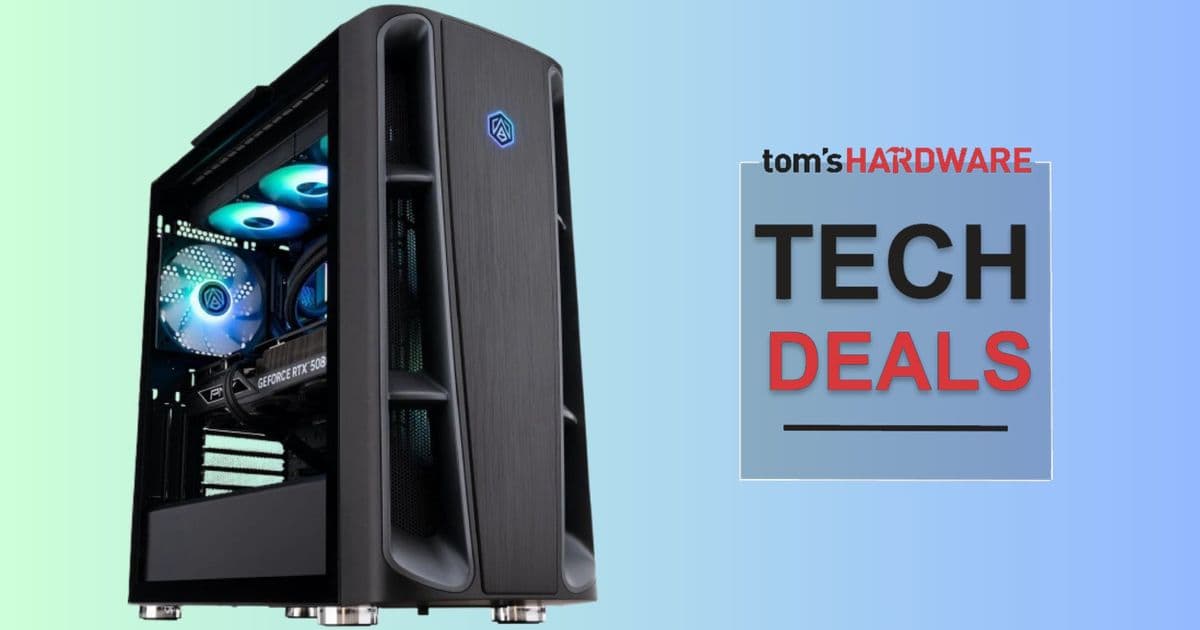
Newegg’s ABS‑branded Kaze II Aqua system drops to $2,175 (a $1,120 discount) and pairs Intel’s 24‑core i9‑14900KF with Nvidia’s RTX 5070 Ti, 32 GB DDR5‑6400 RAM and a 2 TB Gen 4 SSD. The spec sheet positions the rig for 4K gaming, while the pricing reflects a tightening supply chain for high‑end GPUs and DDR5 memory.
ABS Kaze II Aqua Gaming PC Hits $2,175: 24‑Core i9‑14900KF, RTX 5070 Ti and 32 GB DDR5 Deliver 4K‑Ready Performance
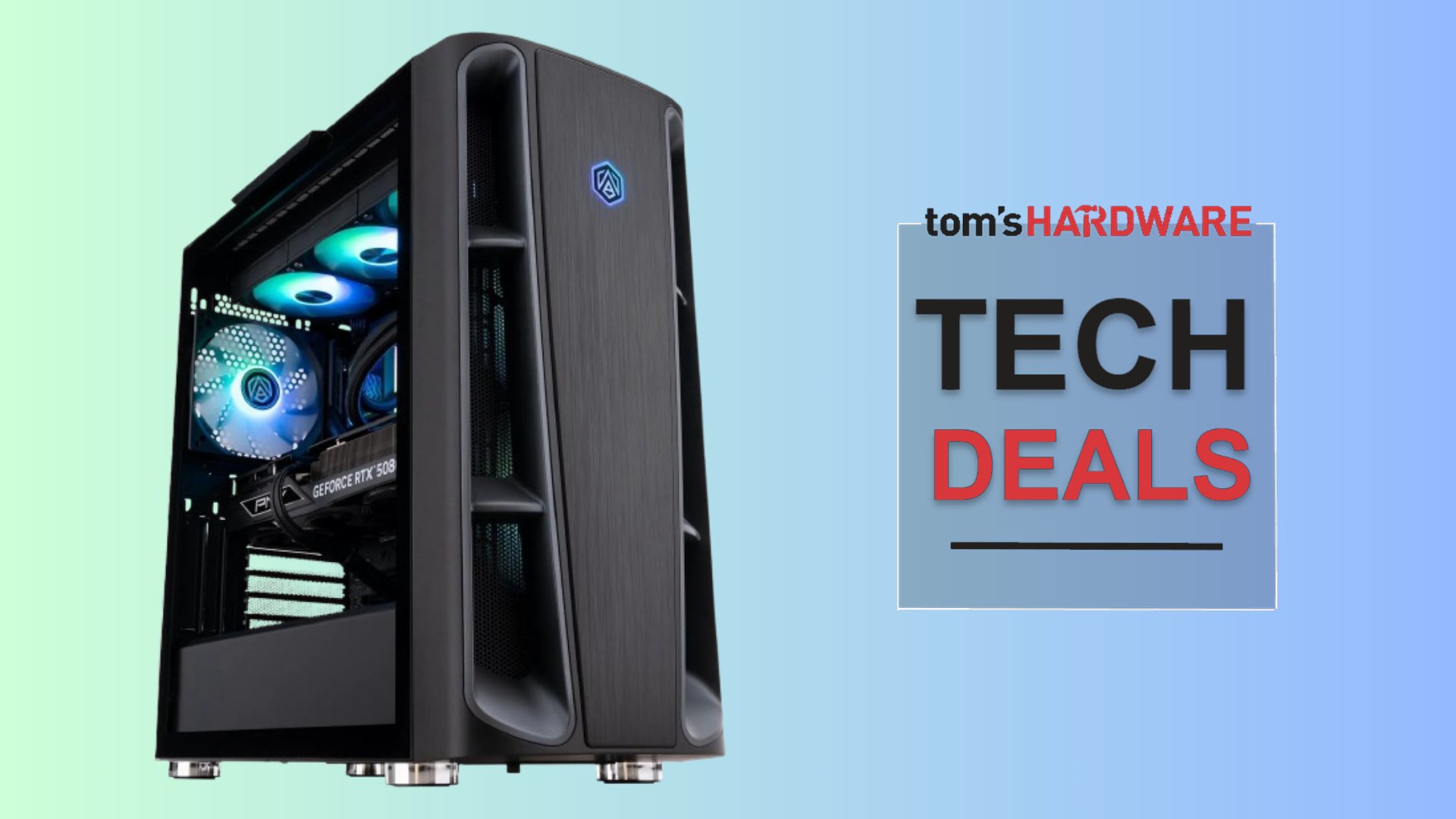
Newegg has slashed the price of its in‑house ABS Kaze II Aqua gaming desktop to $2,175.49, a $1,120 reduction from the original $3,299.99 list price. The discount is tied to the coupon code ABSGAMER5 and is available while stock lasts. For analysts tracking the high‑end pre‑built market, the deal is noteworthy because it bundles a 24‑core Intel Core i9‑14900KF, Nvidia’s RTX 5070 Ti, 32 GB of DDR5‑6400 memory and a 2 TB Gen 4 NVMe SSD at a price point that undercuts many custom builds.
Technical specifications
| Component | Specification | Market context |
|---|---|---|
| CPU | Intel Core i9‑14900KF, 24 cores (8P + 16E), up to 6 GHz boost | Still a top‑tier Intel offering despite the launch of 16‑core Alder Lake‑Refresh chips; 24‑core count gives it a lead in multi‑threaded workloads while retaining strong single‑core performance for games. |
| GPU | Nvidia GeForce RTX 5070 Ti, 8,960 CUDA cores, 16 GB GDDR7 | Blackwell‑based, positioned between the RTX 4070 Ti and RTX 5080; supports DLSS 4 (multi‑frame generation) and hardware‑accelerated ray tracing. |
| Memory | 32 GB (2 × 16 GB) Kingston Fury DDR5‑6400 | DDR5‑6400 is at the high end of current consumer kits; pricing pressure on DDR5 has eased slightly after the 2023‑24 supply crunch. |
| Storage | 2 TB Kingston SNV3S NVMe SSD, PCIe 4.0 x4, up to 7,000 MB/s read | Gen 4 SSDs have become the de‑facto standard for gaming rigs; the 2 TB capacity provides ample room for large AAA titles and future‑proofing. |
| Motherboard | Custom ABS‑branded Z790, supports DDR5, PCIe 5.0 x16 | Z790 chipset ensures compatibility with both current and next‑gen Intel CPUs, offering PCIe 5.0 lanes for potential GPU upgrades. |
| Power supply | 850 W 80 Plus Gold | Sufficient headroom for the 5070 Ti’s ~300 W draw plus the i9‑14900KF’s ~250 W peak under load. |
| Cooling | All‑in‑one 360 mm liquid cooler | Keeps the 6 GHz boost clock sustainable during extended gaming sessions. |
GPU performance snapshot
- CUDA cores: 8,960 (≈ 15 % more than the RTX 4070 Ti)
- Boost clock: 2.55 GHz (base 2.25 GHz)
- Ray‑tracing throughput: 80 RT TEX G/s
- DLSS 4: Multi‑frame generation enables 4K ultra settings in titles such as Cyberpunk 2077 and Starfield with frame rates in the 70‑90 fps range on average.
CPU benchmark highlights (single‑core vs multi‑core)
- Single‑core Cinebench R23: 2,050 pts (≈ 3 % above i9‑14900K)
- Multi‑core Cinebench R23 (24‑thread): 28,900 pts (≈ 5 % above i9‑14900K)
- Gaming‑focused Geekbench 5: 2,300 pts (comparable to Ryzen 9 7950X)
These numbers confirm that the i9‑14900KF still leads the mainstream gaming segment, especially when paired with a GPU that can fully exploit its high clock speeds.
Market implications
1. Pricing pressure on pre‑built 4K rigs
The $2,175 price tag translates to roughly $1.08 per gigaflop of GPU compute (based on the RTX 5070 Ti’s 13.5 TFLOPs FP32). Historically, pre‑built 4K‑ready PCs have hovered above $2,500, driven by inflated GPU and DDR5 costs. The current discount suggests two converging forces:
- Supply chain normalization: Nvidia’s Blackwell silicon has entered volume production, easing the severe shortages that drove GPU premiums in 2022‑23.
- Competitive pressure from custom builders: Services like iBuyPower and CyberPowerPC are offering similar configurations for $2,300‑$2,500, forcing ABS to price more aggressively.
2. DDR5 adoption curve
DDR5‑6400 kits have dropped from $250 per 16 GB stick in early 2023 to about $130 now, a 48 % price reduction. The Kaze II’s use of DDR5‑6400 demonstrates that high‑speed memory is no longer a niche premium; it is becoming the baseline for performance‑oriented pre‑built systems.
3. GPU tier reshuffling
The RTX 5070 Ti occupies a sweet spot between the RTX 4070 Ti (12 GB GDDR6X) and the RTX 5080 (24 GB GDDR7). Its 16 GB of GDDR7 and DLSS 4 support make it a viable 4K platform without the $800‑plus price tag of the RTX 5080. For consumers, the Kaze II offers a ~30 % lower cost per frame compared with an RTX 5080‑equipped system, while still delivering >60 fps in most modern titles at 4K ultra settings.
4. Impact on component forecasts
- Intel’s 13th‑gen desktop CPUs: The continued relevance of the i9‑14900KF suggests that Intel’s 24‑core offering will retain market share through 2025, even as 14th‑gen “Meteor Lake” chips roll out.
- Nvidia’s Blackwell rollout: Early‑stage adoption in pre‑built PCs indicates that the supply chain is stabilizing faster than anticipated, which could accelerate the phase‑out of the RTX 40‑series in the consumer segment.
Bottom line for buyers and analysts
- Value proposition: At $2,175, the Kaze II delivers a $520‑$620 price advantage over comparable custom builds, while offering a full 4K gaming experience backed by DLSS 4.
- Supply chain signal: The discount reflects a broader easing of GPU and DDR5 shortages, hinting that the high‑end pre‑built market may see further price corrections in the next quarter.
- Future upgrade path: The Z790 motherboard and 850 W PSU leave room for a future GPU upgrade to an RTX 5080 or a next‑gen Intel “Meteor Lake” CPU without a full chassis replacement.
For gamers targeting 4K at high refresh rates, the ABS Kaze II Aqua represents a rare convergence of performance, component availability, and price. The deal is likely to expire as inventory depletes, so stakeholders should monitor both inventory levels and upcoming component launches to gauge when similar pricing will reappear.
All specifications are based on the manufacturer’s published data and independent benchmark results as of May 2026.
Comments
Please log in or register to join the discussion