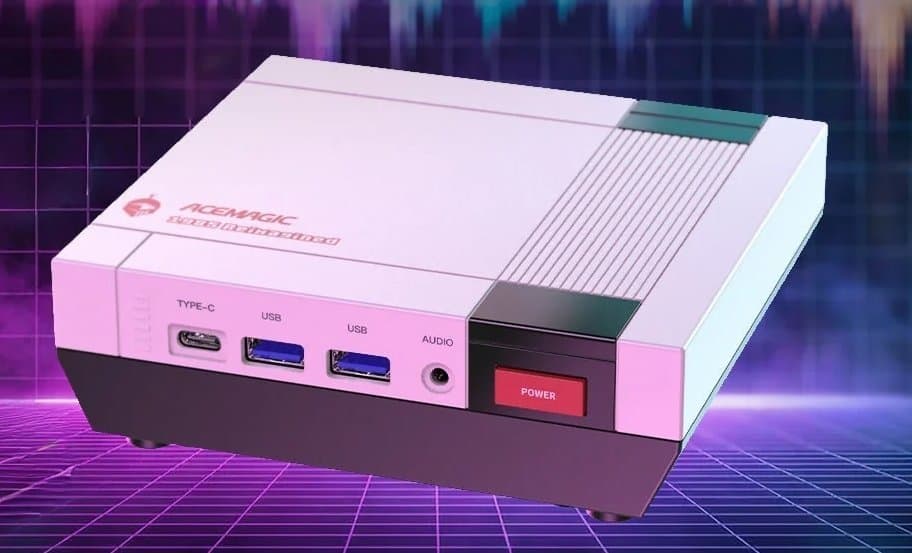
ACEMAGIC's Retro X5 mini PC combines AMD's cutting-edge Ryzen AI HX 370 processor with a faithful Nintendo Entertainment System-inspired chassis, offering developers a nostalgic yet powerful workstation for cross-platform development.
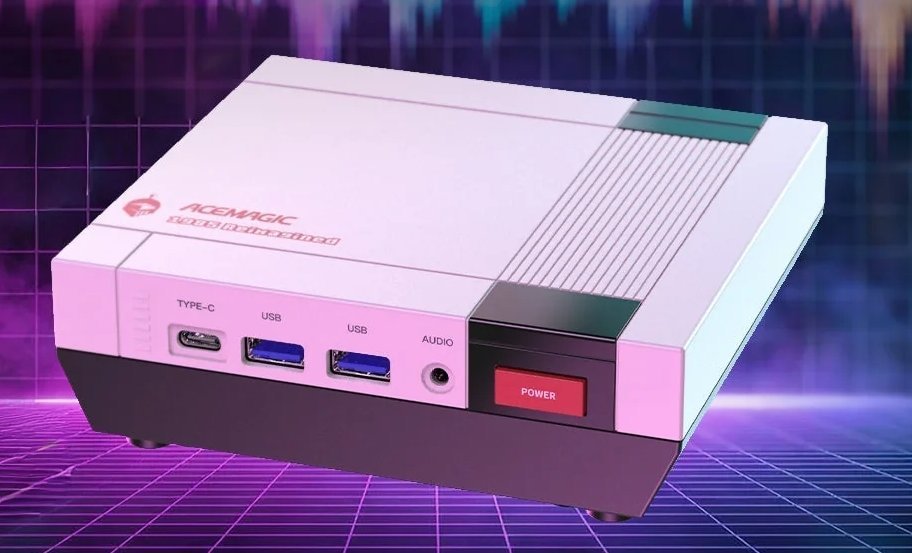
The mini PC market continues evolving with specialized designs, and ACEMAGIC's Retro X5 stands out by merging AMD's latest silicon with nostalgic aesthetics. At its core lies the Ryzen AI HX 370 processor - AMD's Strix Point architecture featuring a 12-core/24-thread CPU, Radeon 890M integrated graphics with 16 compute units, and a neural processing unit delivering 50 TOPS for AI workloads. While these specs align with premium thin-and-light laptops, the Retro X5 distinguishes itself through its chassis: a near-perfect recreation of the 1985 Nintendo Entertainment System.
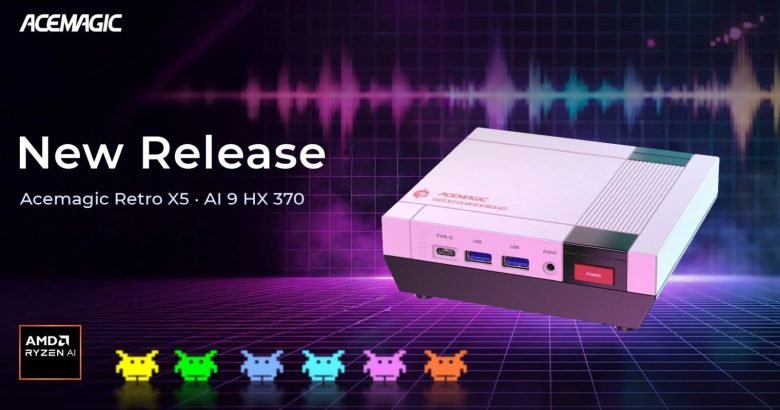
Unlike AYANEO's similar AM02 mini PC that borrowed Nintendo-inspired elements, ACEMAGIC's implementation replicates the original NES with remarkable fidelity. The rectangular enclosure maintains the classic grey-and-black color scheme, angular edges, and even faux cartridge slot lines. Modern adaptations include front-panel USB-C and USB-A ports plus a 3.5mm audio jack where cartridges would historically load. This design choice creates a distinctive developer workstation that visually bridges retro gaming nostalgia with contemporary computing power.
For mobile developers, the Retro X5 presents intriguing possibilities. The Ryzen AI HX 370's hybrid core architecture (4 performance + 8 efficiency cores) handles demanding compilation tasks efficiently, while the Radeon 890M graphics - equivalent to desktop GTX 1650 performance - accelerates Android emulation in Android Studio. The NPU's 50 TOPS capability enables local testing of on-device ML features like TensorFlow Lite models without cloud dependencies. Developers targeting both Android and iOS can leverage Linux-based Android toolchains alongside macOS virtualization solutions, though Apple ecosystem development remains constrained by macOS licensing limitations.
Cross-platform SDKs like Flutter and React Native benefit significantly from the balanced CPU/GPU configuration. The Zen 5 CPU cores manage JavaScript bundling and hot-reload operations swiftly, while the RDNA 3.5-based GPU renders UI previews smoothly. With Windows Subsystem for Android and Linux (WSA/WSL) compatibility, developers can maintain unified workflows across mobile platforms from a single device. Thermal performance remains an open question given the compact enclosure, though the NES design historically accommodated substantial heat sinks.
Critical specifications like RAM capacity (expected 16-32GB LPDDR5x), storage options (likely PCIe 4.0 NVMe), rear I/O capabilities, and power delivery remain unconfirmed by ACEMAGIC. Developers should prioritize models accommodating dual-channel memory configurations for optimal Android emulator performance and SSD speeds exceeding 5GB/s for reduced build times. Pricing will determine competitiveness against conventional mini PCs like Minisforum's AMD-based units.
The Retro X5 exemplifies hardware convergence where nostalgic form factors meet modern computational needs. For developers seeking compact workstations that blend aesthetic personality with serious productivity, this NES-inspired design offers a compelling alternative to utilitarian black boxes - provided thermal management and final specifications meet professional demands. ACEMAGIC plans to reveal full details including availability timelines in the coming weeks.
Comments
Please log in or register to join the discussion