
The Trump administration plans to use Pentagon-developed AI to establish reference prices for critical minerals like gallium and germanium, targeting China's market dominance in chipmaking materials.
The Trump administration is preparing to deploy a Pentagon-developed artificial intelligence system to establish reference prices for critical minerals, with gallium and germanium among the first four metals targeted in what officials describe as an effort to counter Chinese market manipulation and build a global metals trading bloc.
According to sources cited by Reuters on February 24, the administration intends to use DARPA's Open Price Exploration for National Security (OPEN) program as the foundation for a reference price system proposed by Vice President JD Vance at a Critical Minerals Ministerial in Washington on February 4. The OPEN program, launched in 2023, calculates what metals should cost once labor, processing, and other inputs are factored in, with alleged Chinese market manipulation stripped out.
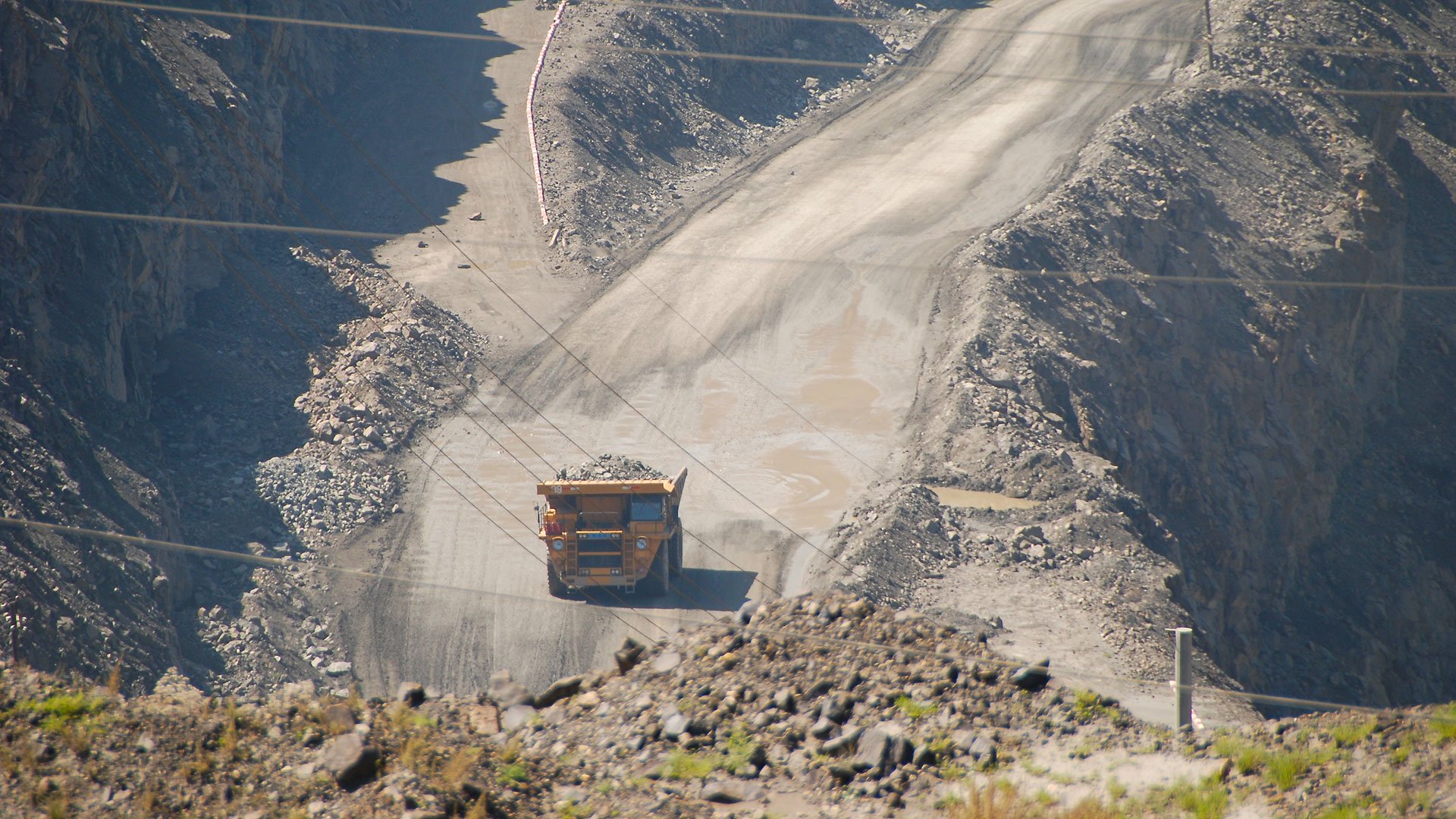
Initial Focus on Four Critical Minerals
The administration is initially focusing OPEN's model on four minerals: germanium, gallium, antimony, and tungsten. S&P Global and Finnish data firm Rovjok are providing data and technical assistance for the pricing calculations.
These minerals are particularly significant for the semiconductor industry. Gallium, used in compounds such as gallium nitride (GaN) and gallium arsenide (GaAs), is essential for compound semiconductors found in RF chips and power electronics. Germanium serves critical roles in chip doping, fiber optics, and high-speed microelectronics.
China's Dominance in Supply Chains
The pricing initiative comes amid growing concerns about China's control over critical mineral supplies. China produces an estimated 60% to 80% of global germanium and roughly 95% of U.S. gallium supply, according to the Department of Energy.
Beijing has already demonstrated willingness to use export controls as leverage, imposing export licensing requirements on both metals in August 2023, then escalating to an outright ban on shipments to the U.S. in December 2024. The ban was partially suspended in November 2025 amid broader trade negotiations.
Technical Approach and Implementation Timeline
OPEN has been focused from its inception on metals that are thinly traded or not actively exchange-traded, where manufacturers struggle to determine whether quoted prices reflect actual supply-and-demand conditions rather than subsidized Chinese output. The program is scheduled to be transferred to the non-profit Critical Minerals Forum next year.
Vice President Vance's proposal calls for member nations to adopt reference prices for critical minerals "at each stage of production," enforced by adjustable tariffs. This approach aims to create a more transparent pricing mechanism that accounts for actual production costs rather than potentially manipulated market prices.
Industry Skepticism and Implementation Challenges
Not everyone is convinced the tariff-backed pricing model will achieve its intended effects. Nathaniel Horadam, a former U.S. Department of Energy staffer who managed critical minerals lending programs across both the Biden and Trump administrations, expressed skepticism about the approach.
"You can try to set something approximating a price floor, but ultimately the trade barriers aren't going to guarantee someone on the other side of that tariff wall an actual price floor because multiple producers are still going to compete on price," Horadam told Reuters.
The plan also raises questions about scope, particularly because current tariff structures could potentially apply to finished products containing these minerals. The administration has not clarified whether tariffs would extend to downstream products, creating uncertainty for manufacturers who rely on these materials in complex supply chains.
Strategic Implications for Chipmaking
The initiative represents a significant escalation in efforts to reduce dependence on Chinese critical minerals for semiconductor manufacturing. By using AI to establish what officials consider "fair" prices, the administration is attempting to create a framework that could support domestic production and alternative sourcing arrangements.
For the semiconductor industry, which has grown increasingly concerned about supply chain vulnerabilities, the success or failure of this pricing model could have substantial implications. If effective, it could help stabilize prices for materials essential to advanced chip manufacturing and reduce exposure to Chinese export controls.
However, the approach also risks creating new trade tensions and potentially disrupting existing supply relationships. The effectiveness of AI-powered price setting in the complex, global market for critical minerals remains to be seen, particularly given the interconnected nature of modern supply chains and the difficulty of isolating specific materials in finished products.
The coming months will likely reveal whether this novel application of artificial intelligence to international trade policy can achieve its stated goals of creating a more transparent and resilient critical minerals market, or whether it will simply add another layer of complexity to an already challenging geopolitical landscape.
Comments
Please log in or register to join the discussion