
The Pentagon is taking initial steps to potentially blacklist Anthropic, escalating tensions over AI safety protocols and government oversight of artificial intelligence development.
The Pentagon has initiated preliminary procedures to potentially blacklist Anthropic, marking a significant escalation in the ongoing dispute over AI safety protocols and government oversight of artificial intelligence development. This move represents the first concrete step by the Department of Defense toward restricting the AI company's access to federal contracts and resources.
Background on the dispute
The conflict centers on Anthropic's refusal to comply with certain Defense Department requirements regarding AI system safeguards and data handling protocols. Sources familiar with the matter indicate that Anthropic has maintained positions on AI safety and ethical development that conflict with Pentagon priorities for military applications.
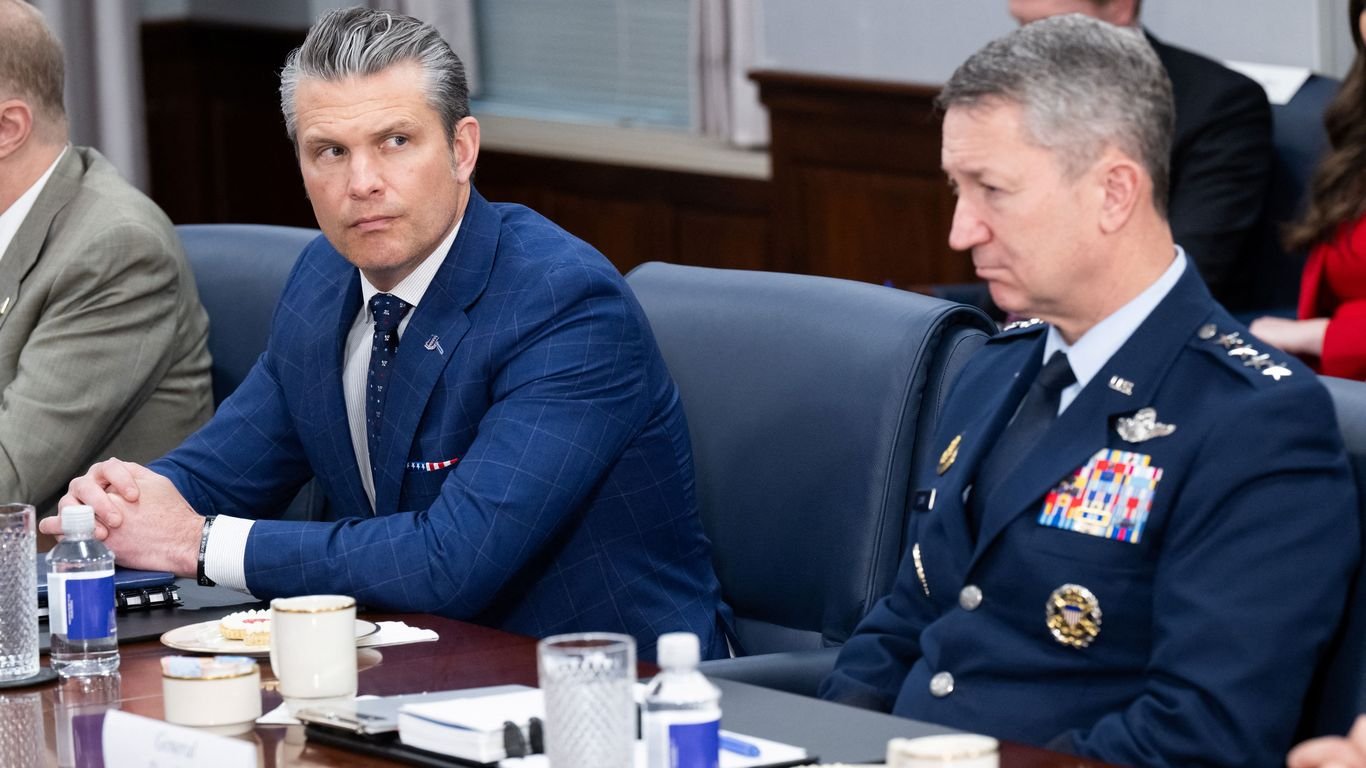
Defense Secretary Pete Hegseth has been vocal about the need for robust AI integration within military systems, emphasizing that "technological superiority in artificial intelligence is now a matter of national security." The administration has pushed for accelerated adoption of AI technologies across defense operations, from logistics to autonomous systems.
What the blacklisting process entails
Should the Pentagon proceed with formal blacklisting, Anthropic would face:
- Prohibition from bidding on federal contracts
- Restrictions on accessing government research grants
- Potential exclusion from classified AI development programs
- Limitations on partnerships with defense contractors
The initial steps involve a formal review process where Anthropic would have the opportunity to respond to concerns raised by the Defense Department. This review is being conducted under authorities that allow the government to restrict access to federal resources based on national security considerations.
Industry implications
This development has sent ripples through the AI industry, with other companies closely monitoring the situation. Anthropic, founded by former OpenAI researchers, has positioned itself as a leader in AI safety and responsible development practices. The company's approach emphasizes careful deployment and alignment research, which some view as potentially at odds with military applications.
Industry analysts note that this conflict highlights the growing tension between AI safety advocates and government agencies seeking to leverage AI for strategic advantages. "We're seeing a fundamental clash between different visions for AI development," said one technology policy expert who requested anonymity. "The Pentagon wants AI systems that can be deployed rapidly for defense purposes, while companies like Anthropic have emphasized more cautious, safety-oriented approaches."
Broader context
The dispute occurs against the backdrop of intensifying global competition in AI development. The United States has identified AI leadership as critical for maintaining technological and military advantages over strategic competitors. Recent reports indicate that China has made significant investments in military AI applications, further pressuring U.S. agencies to accelerate adoption.
What happens next
Anthropic has not publicly commented on the Pentagon's actions, but sources suggest the company is preparing a formal response to the review process. The timeline for a final decision remains unclear, though such reviews typically take several months to complete.
The outcome of this dispute could have lasting implications for how AI companies interact with government agencies and the extent to which safety considerations can be balanced against national security priorities. For now, the Pentagon's initial steps signal a hardening stance on AI governance that may affect other companies in the sector.
Comments
Please log in or register to join the discussion