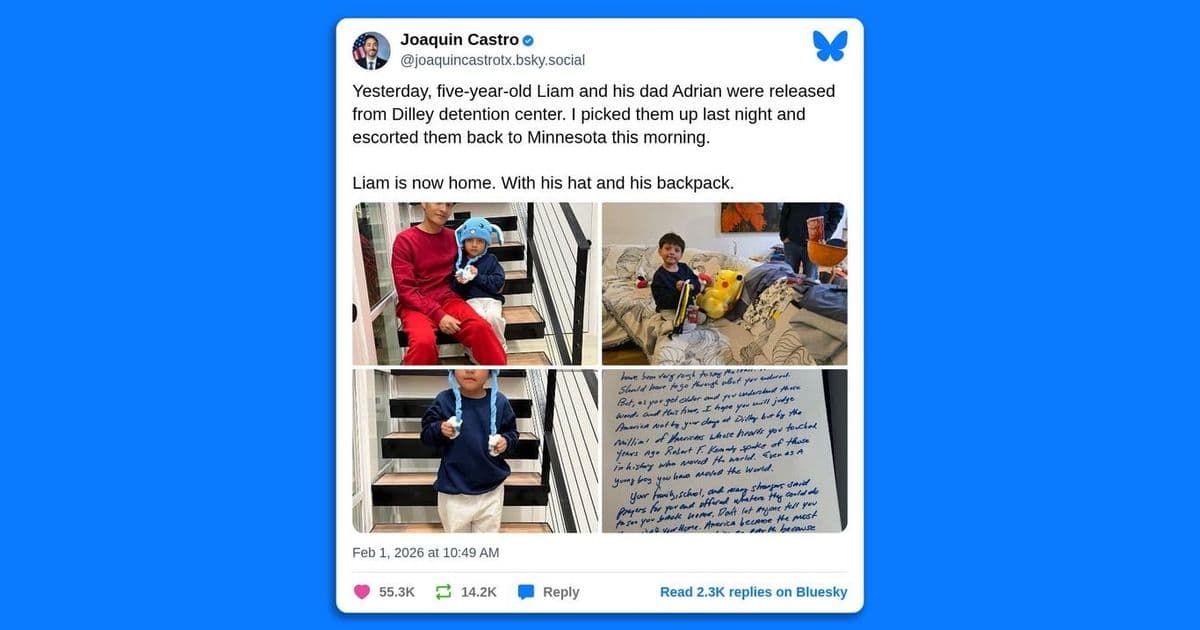
The release of 8-year-old Liam Ramos from ICE custody has galvanized Democratic lawmakers to push for systemic reforms affecting hundreds of children still detained in immigration facilities.
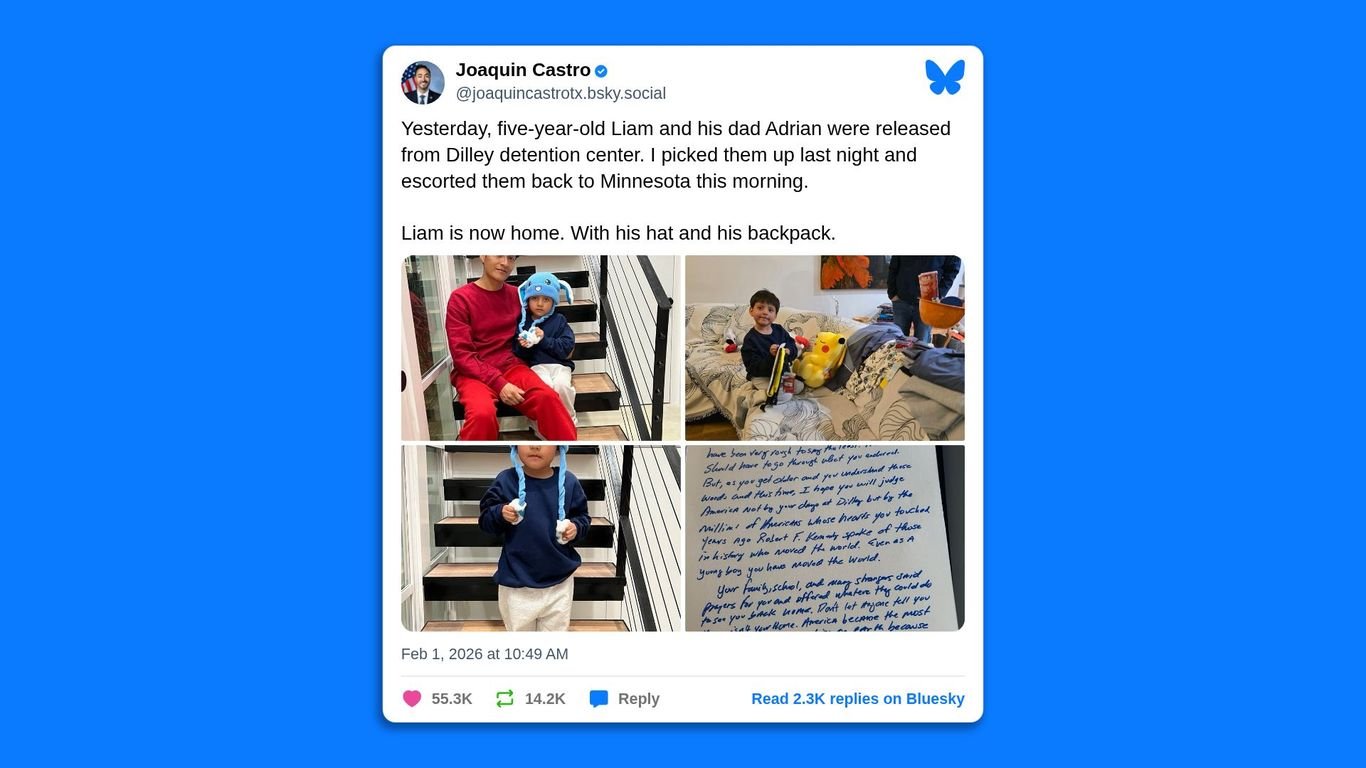
The release of 8-year-old Liam Ramos from U.S. Immigration and Customs Enforcement (ICE) custody last week has catalyzed Democratic lawmakers to intensify pressure on the Biden administration regarding hundreds of children remaining in detention facilities. Ramos, detained for over a month at the South Texas Family Residential Center in Dilley, became a focal point for immigration advocates after his family's legal team publicized his case. His release coincided with a 12% quarterly increase in family unit detentions, bringing the current total to approximately 1,200 minors in ICE custody nationwide according to Department of Homeland Security data.
Financial disclosures reveal the detention system's substantial taxpayer burden, with family residential centers costing $319 per detainee daily—triple the expense of community-based alternatives. Congressional Democrats now cite these figures while advocating for policy changes that would prioritize case reviews for vulnerable populations. "Liam's case exposed systemic failures," said Representative Veronica Escobar (D-TX). "We're pushing ICE to expedite releases of children with medical conditions or prolonged detention periods through Directive 11032's humanitarian provisions."
The political calculus involves leveraging Ramos' high-profile case to accelerate processing of approximately 400 children meeting similar criteria—those detained beyond 30 days or with documented health vulnerabilities. Legislative proposals under development would mandate ICE to report child detention statistics biweekly and cap stays at 20 days except under exceptional circumstances. This aligns with data showing detained children face developmental setbacks: a Yale University study found minors in custody score 24% lower on cognitive assessments after 30 days.
Operational pressures are mounting as detention centers near capacity. The Dilley facility where Ramos was held operates at 92% occupancy, while the Berks County Residential Center in Pennsylvania reports 87% utilization. ICE's latest budget request seeks $4.9 billion for detention operations, including $1.2 billion specifically allocated to family facilities—a funding stream Democrats aim to restrict without compliance with new oversight measures.
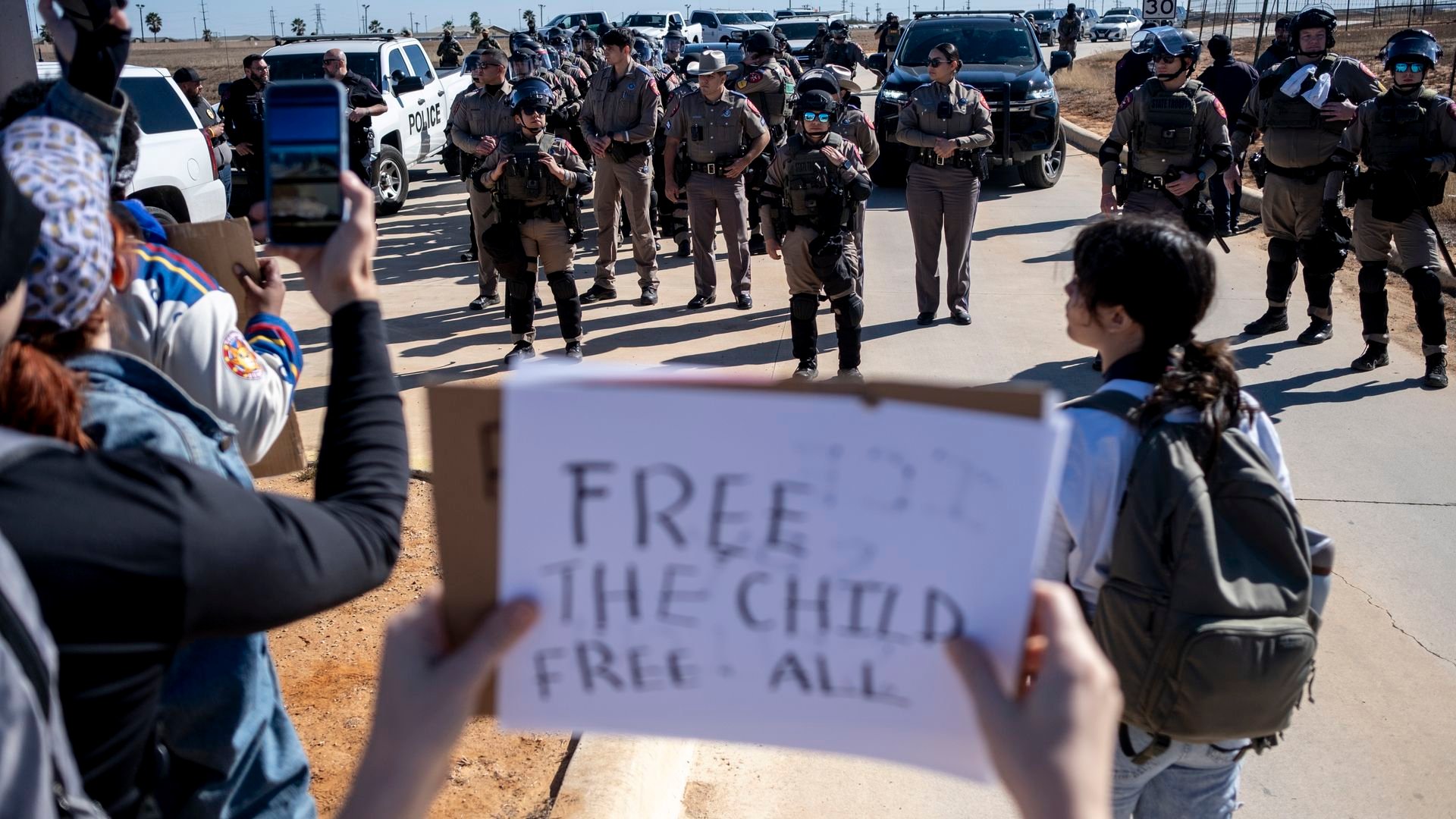
Protest activity has intensified near detention hubs, with groups like RAICES documenting 147 demonstrations nationwide this quarter. The organization's legal director noted a 40% increase in volunteer attorneys requesting access to detained children since Ramos' release. Meanwhile, administration officials indicate potential policy adjustments. "We're evaluating case management protocols to prioritize vulnerable populations," an ICE spokesperson confirmed, though no formal timeline for changes has been announced.
The emerging strategy represents a pivot from individual advocacy to structural reform. Congressional Hispanic Caucus members have scheduled hearings to examine ICE's use of humanitarian parole authority, while Senate Democrats prepare amendments to the FY2025 Homeland Security appropriations bill that would tie detention funding to reduced child detainee counts. With midterm elections approaching, the data-driven campaign aims to convert temporary public attention into measurable policy outcomes.
Comments
Please log in or register to join the discussion