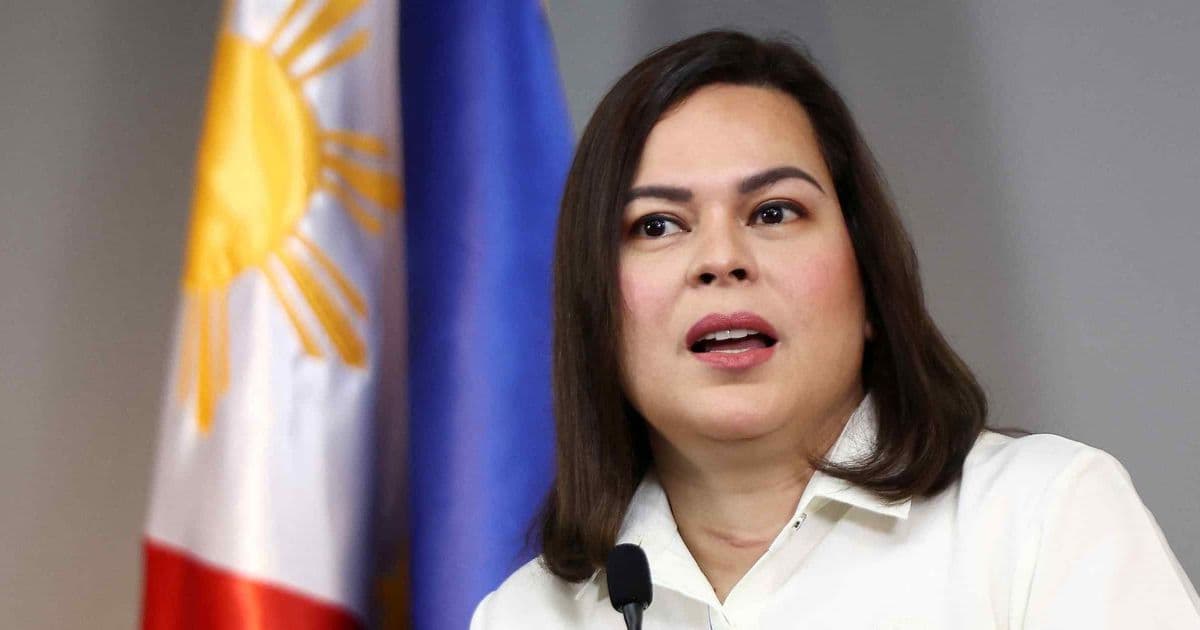
Progressive lawmakers and civil society groups file fresh impeachment complaints against Vice President Sara Duterte, reigniting political conflict with President Marcos Jr. that was previously frozen by the Supreme Court.
A coalition of progressive legislators and civil society organizations in the Philippines has filed two new impeachment complaints against Vice President Sara Duterte, escalating political tensions in Manila and reigniting a bitter feud with President Ferdinand Marcos Jr. that the Supreme Court halted last July.
Political Context and Timing
The impeachment complaints, filed on Monday, February 2, 2026, come at a critical juncture for Philippine politics. The move represents a strategic escalation by Duterte's political opponents, who had previously seen their efforts blocked by the Supreme Court's intervention in July 2025. The timing suggests mounting pressure on the Marcos administration to address corruption allegations and governance concerns that have persisted throughout its tenure.
Allegations and Legal Basis
The complaints center on allegations of corruption and betrayal of public trust, though specific charges have not been fully detailed in the initial filing. These are the same core issues that animated the previous impeachment attempt, suggesting that investigators and prosecutors believe they have gathered additional evidence or strengthened their legal arguments since the Supreme Court's ruling.
Political Implications
The renewed impeachment effort has significant ramifications for the Marcos administration's stability. President Marcos Jr. barely survived his own impeachment attempt in 2025, and the resurgence of impeachment proceedings against his vice president creates additional political turbulence. The move could force the administration to divert attention and resources from its policy agenda to defend against what is likely to become a protracted political battle.
Historical Context
This development must be understood within the broader context of Philippine political dynamics. The Duterte and Marcos families have long been political rivals, with their rivalry intensifying since Ferdinand Marcos Jr.'s election in 2022. Sara Duterte, daughter of former President Rodrigo Duterte, initially allied with Marcos Jr. but their relationship has deteriorated significantly over the past year.
Civil Society Involvement
The participation of civil society groups alongside progressive legislators signals broad-based opposition to Duterte's continued tenure. This coalition approach suggests that the impeachment effort has moved beyond purely partisan politics to encompass concerns about governance and accountability that resonate with various segments of Philippine society.
Potential Outcomes
The impeachment process faces several potential outcomes. The House of Representatives must first vote to transmit the complaints to the Senate for trial. Given the political calculations involved, this initial hurdle could prove challenging for the complainants. However, if the complaints do advance, they could consume significant political capital and attention in the coming months.
Economic and Governance Impact
Political instability often has economic repercussions, and this impeachment effort could affect investor confidence and policy implementation. The Philippines has been grappling with economic challenges, including the aftermath of devastating typhoons and ongoing infrastructure needs. Political distractions could complicate efforts to address these pressing issues.
Regional Implications
The Philippines' political stability is closely watched by regional partners and international investors. As a key U.S. ally in Southeast Asia and an important player in regional security dynamics, particularly regarding South China Sea disputes, domestic political turmoil could affect the country's foreign policy coherence and international relationships.
Next Steps in the Process
The impeachment complaints will now undergo initial review by the House of Representatives. If the House votes to transmit the complaints to the Senate, a trial would follow where senators would serve as judges. The process could take months to unfold, during which political maneuvering and public opinion will play crucial roles.
Public Opinion Factor
Public reaction to the impeachment complaints will be critical. The Marcos administration's handling of recent natural disasters and economic challenges has already drawn criticism, and the impeachment proceedings could further test public patience with the government. Conversely, if perceived as politically motivated, the complaints could backfire on Duterte's opponents.
Historical Precedent
Philippine history shows that impeachment proceedings can have unpredictable outcomes. Previous attempts have sometimes strengthened the targeted officials politically, while others have led to significant political change. The outcome will likely depend on the strength of evidence presented, political alliances, and public sentiment.
The filing of these impeachment complaints marks a significant escalation in Philippine political tensions and sets the stage for what could be months of political drama that will test the resilience of democratic institutions and the Marcos administration's political acumen.
Comments
Please log in or register to join the discussion