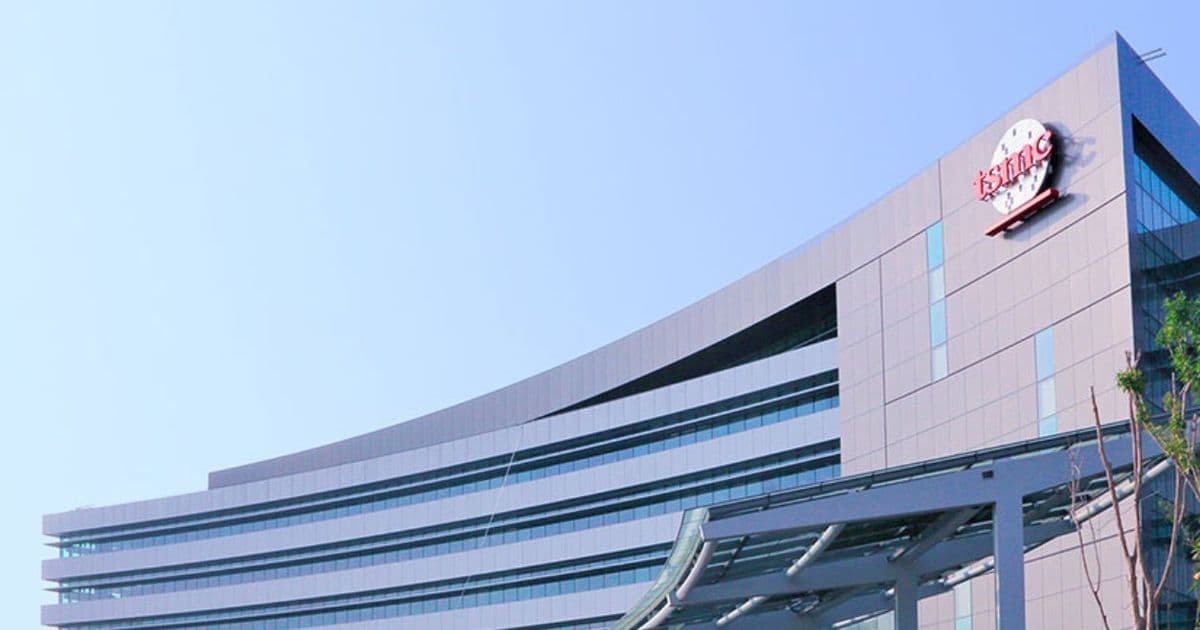
NVIDIA CEO Jensen Huang says TSMC needs to double chip production capacity over the next decade to meet unprecedented demand from AI infrastructure buildout, with NVIDIA alone driving over 100% of capacity growth.
NVIDIA CEO Jensen Huang has issued a stark warning about the semiconductor industry's capacity constraints, declaring that Taiwan Semiconductor Manufacturing Company (TSMC) must double its chip production capacity within the next decade to support what he calls "the largest infrastructure investment in human history."
Speaking during a recent interview in Taiwan, Huang emphasized that the explosive growth in artificial intelligence and accelerated computing has created demand levels that dwarf any previous technology cycle. The scale of investment required to build out AI infrastructure globally represents an unprecedented challenge for the semiconductor supply chain.
NVIDIA's Outsized Impact on TSMC's Growth
Perhaps most striking is Huang's assertion that NVIDIA's own demand for advanced process nodes would be sufficient to drive TSMC's capacity expansion by more than 100%. This highlights NVIDIA's transformation from a graphics card company to the dominant force in AI hardware, with its GPUs becoming the backbone of everything from data centers to autonomous vehicles.
The relationship between NVIDIA and TSMC has grown increasingly symbiotic. NVIDIA has become TSMC's largest customer, and was among the first to adopt TSMC's cutting-edge A16 process node. This early adoption pattern gives NVIDIA significant influence over TSMC's technology roadmap and capacity planning decisions.
TSMC's Global Expansion Response
TSMC isn't waiting for demand to materialize before acting. The company has already launched an aggressive global expansion plan that includes a staggering $250 billion investment in the United States alone. This investment aims to build a complete semiconductor supply chain on American soil, covering everything from advanced packaging facilities to research and development centers.
The scale of this investment underscores the strategic importance of semiconductor manufacturing in the current geopolitical climate. Countries are racing to secure domestic chip production capabilities, recognizing that control over semiconductor supply chains translates directly to technological and economic power.
The Infrastructure Buildout Reality
Huang's characterization of this as "the largest infrastructure investment in human history" isn't hyperbole when you consider the scope of what's being built. AI data centers require massive capital expenditure not just for chips, but for power infrastructure, cooling systems, networking equipment, and real estate.
Each NVIDIA GPU in a modern AI cluster represents not just the cost of the chip itself, but the infrastructure needed to support it. A single data center can consume tens of megawatts of power and require sophisticated liquid cooling systems to manage the heat output of thousands of GPUs running at full capacity.
Implications for the Semiconductor Industry
The capacity constraints Huang describes have ripple effects throughout the entire technology ecosystem. Companies developing AI applications find themselves competing not just with each other, but with every other industry that relies on advanced semiconductors - from smartphones to automotive to consumer electronics.
This competition for capacity is driving up prices and creating supply bottlenecks that could slow the AI revolution's momentum. The industry's ability to meet demand will largely depend on whether TSMC and other foundries can execute their expansion plans quickly enough.
Looking Ahead
As AI continues its rapid evolution from experimental technology to foundational infrastructure, the semiconductor industry faces its greatest challenge yet. The next decade will determine whether the world can build the computational capacity needed to power everything from large language models to scientific simulations to autonomous systems.
Huang's comments serve as both a warning and a call to action. The AI revolution is real, it's happening now, and it requires an infrastructure buildout on a scale never before seen. Whether TSMC and the broader semiconductor industry can rise to meet this challenge will shape the trajectory of technological progress for years to come.
Comments
Please log in or register to join the discussion