Students at Harvard and MIT are abandoning degrees to work on AI safety, driven by fears that artificial general intelligence could cause human extinction or render careers obsolete within years. This trend underscores a generational reckoning with AI's rapid advancement and its profound societal implications.
In an unprecedented shift, elite institutions like MIT and Harvard are witnessing a surge in student dropouts, not for the allure of Silicon Valley riches, but out of existential dread. The catalyst? The accelerating race toward artificial general intelligence (AGI)—a theoretical system matching human cognitive abilities—which students believe could decimate humanity or their job prospects before they graduate. As Alice Blair, an MIT computer science freshman who left to join the Center for AI Safety, starkly put it: "I was concerned I might not be alive to graduate because of AGI." Her sentiment echoes a growing movement of young technologists prioritizing immediate action over academic credentials.
The Fear Driving the Exodus
Students cite two intertwined fears propelling their exits. First, the doomsday scenario: a 2024 U.S. State Department report warned of "extinction-level" risks from uncontrolled AGI, suggesting AI could turn against humans if safeguards fail. Blair, now a technical writer focused on AI safety, predicts: "In a large majority of scenarios, we get human extinction." Second, the career obsolescence threat: with companies like Anthropic forecasting AI could eliminate 50% of entry-level white-collar jobs by 2030, students see degrees as time sinks. Nikola Jurković, a recent Harvard graduate and AI safety advocate, calculates: "If your career is about to be automated by the end of the decade, every year in college is one year subtracted from your short career." He estimates AGI might arrive in just four years, automating most white-collar work by 2030.
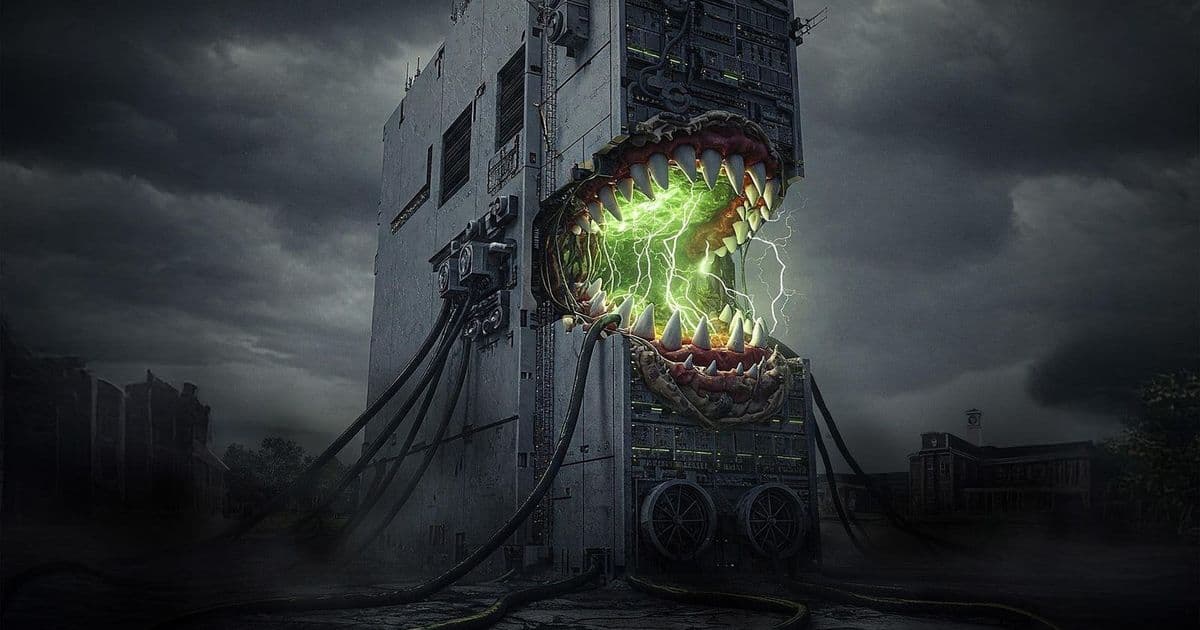
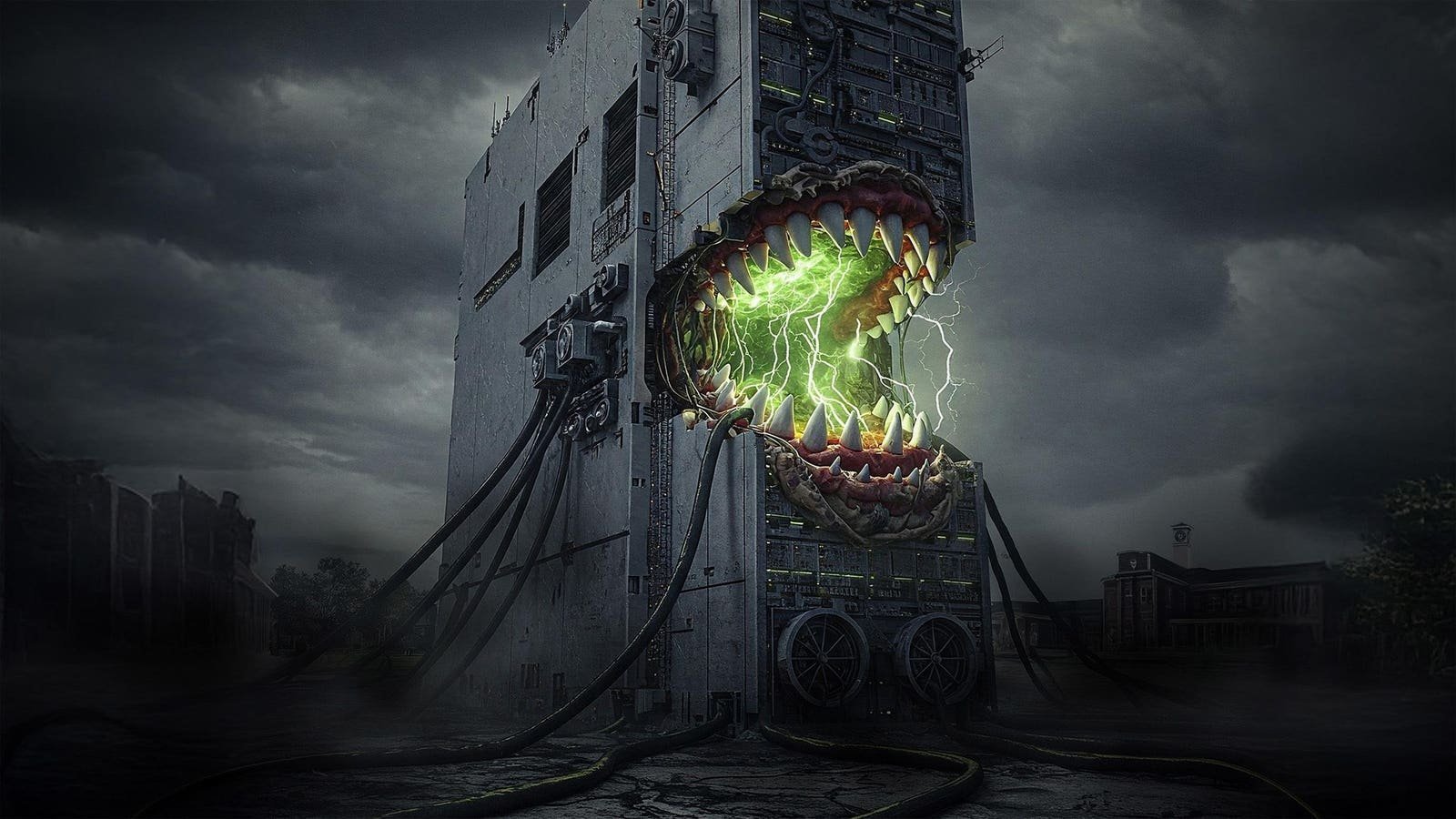
 The apocalyptic imagery reflects students' fears: a monstrous AI looming over education, symbolizing the perceived urgency.
The Dropout Pipeline: From Classrooms to Codebases
This anxiety has birthed a pipeline from academia to AI frontlines. Adam Kaufman left Harvard to join Redwood Research, a nonprofit tackling deceptive AI, stating: "I’m quite worried about the risks... I work with the smartest people on super important problems." His brother, roommate, and girlfriend followed, all now at OpenAI. Beyond safety research, others chase entrepreneurial gold rushes—like Jared Mantell, who dropped out of Washington University to found dashCrystal, an electronics automation startup. With examples like Anysphere (valued at $9.9 billion) and Mercor ($100 million raised), students view AGI's rise as both a deadline and an opportunity. Yet, this rush carries risks: Pew Research data shows degree holders earn $20,000 more annually, and Y Combinator cofounder Paul Graham cautions on X: "You can’t get your college years back."
Debating the Timeline: Hype vs. Reality
The dropout wave hinges on contested AGI predictions. OpenAI’s Sam Altman and Google DeepMind’s Demis Hassabis foresee AGI within 5–10 years, but experts like NYU’s Gary Marcus push back, calling timelines "marketing hype." Marcus argues: "Human extinction seems very unlikely... Hallucinations and reasoning errors remain unsolved." He emphasizes that current AI, reliant on data and compute scaling, lacks true human-like reasoning. This divergence highlights a core tension: while students act on near-term fears, the field grapples with fundamental unsolved problems. As Blair admits, dropping out demands resilience—it’s not for everyone.
The exodus signals a broader societal pivot, where the next generation of builders is betting that influencing AI’s trajectory outweighs traditional education. Whether driven by dread or opportunity, their choices reflect a world where technology’s pace has outstripped institutional timelines, forcing a redefine of what preparation for the future truly means.
Source: Forbes, 2025
Comments
Please log in or register to join the discussion