Industry experts reveal how AI agents are transforming DevOps practices by enabling predictive incident response, automated remediation, and intelligent observability – while emphasizing human oversight for critical decisions.
DevOps teams drowning in alert noise and reactive firefighting are turning to AI agents for fundamental workflow transformation. At InfoQ Live 2026, panelists from Netflix, Harness, HRS Group, and DevOps pioneers detailed how intelligent systems are shifting operations from reactive monitoring to predictive management while preserving critical human oversight.
The Cognitive Drain of Traditional DevOps
"Human attention is mostly wasted on triage without context," observed Mallika Rao, Engineering Leader at Netflix. "Engineers spend enormous time answering: Is this signal real? Is it new? Is it customer-impacting?" This ambiguity tax compounds as systems scale, with teams progressing "from a few monitoring emails per day to thousands" according to moderator Renato Losio.
Martin Reynolds, Field CTO at Harness, pinpointed low-level toil as the prime AI target: "Trawling through logs is painful. AI can dig into failures and tell you how to remediate." The consensus? AI excels at converting raw signals into contextual understanding – especially when grounded in system fundamentals.
The Agent Evolution: Beyond Chatbots
AI's role has evolved beyond simple automation:
- Predictive Foundations: Traditional ML/AI provided anomaly detection ("finding signals in noise"), but couldn't explain causes.
- Generative Context: LLMs now interpret system context – correlating deployments, logs, and runbooks to explain why anomalies occur.
- Agentic Workflows: Systems that chain these capabilities to propose solutions, draft incident timelines, and execute safe remediations.
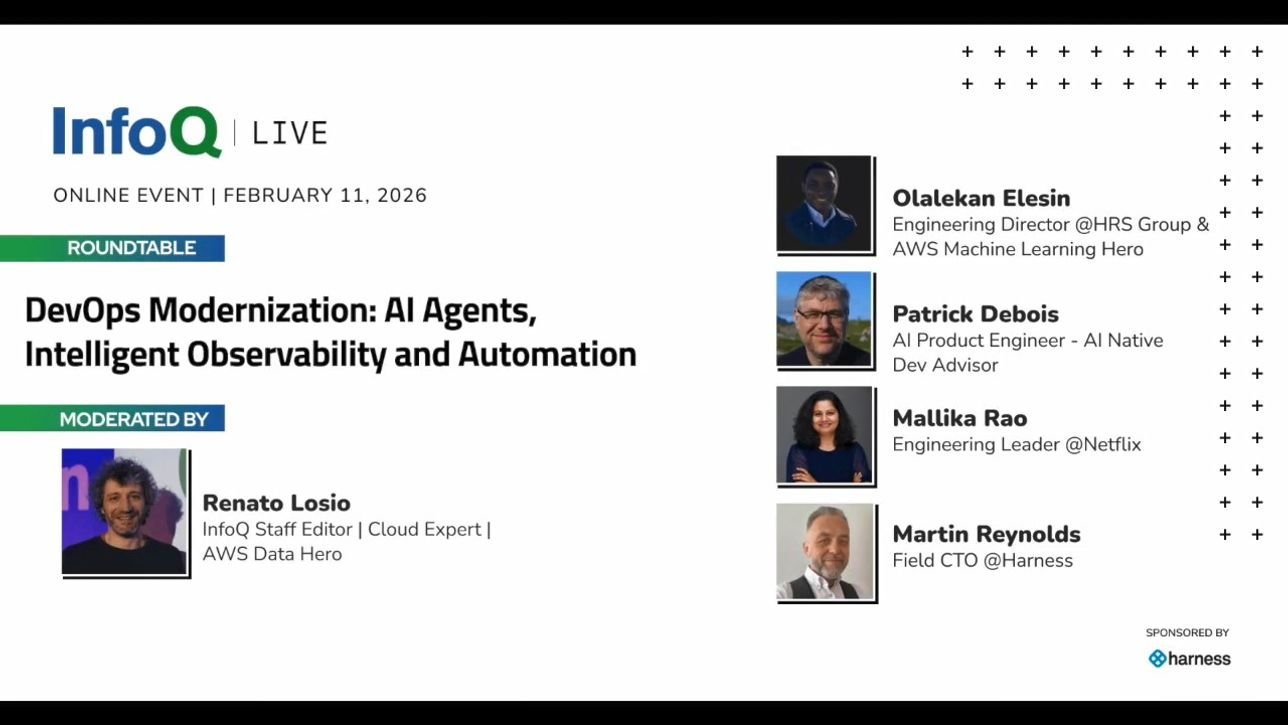 Panelists discuss AI's role in DevOps transformation (InfoQ Live 2026)
Patrick Debois (DevOps pioneer) highlighted the paradigm shift: "We use AI for hypothesis building – 'Give me three options for solving this.' That didn't exist with traditional ML." Olalekan Elesin (HRS Group) demonstrated this via practical workflow modeling: "I treat AI as a junior engineer. Give it logs, have it identify code defects and generate PRs – cutting 5-hour tasks to 15 minutes."
Trust Through Transparency, Not Accuracy
All panelists emphasized that trust comes from explainability, not just results. Rao shared a critical lesson from Netflix: "Early AI missed failures in shadow canaries. The breakthrough wasn't better models, but making recommendations visible and requiring signal citations before action."
Reynolds outlined the trust maturity model:
- Read-only: AI analyzes and suggests
- Human-in-loop: Executes reversible actions with approval
- Full autonomy: For fully deterministic, low-risk workflows after repeated validation
"Accountability stays with humans," Reynolds stressed. "Agents assist, but don't own decisions impacting customers or business risk."
Implementation Roadmap: Start Small, Win Big
For teams starting their AI DevOps journey:
- Fix Foundations First: "AI needs context – dependency maps, deployment histories, docs," noted Reynolds. Without this, agents "reason correctly over incomplete reality" (Rao).
- Attack High-Toil Tasks: Elesin's prescription: "Identify what you'd delegate to a junior engineer: Log analysis, initial triage, post-mortem drafting."
- Start with Explanation: Rao advised: "Pick one painful workflow and make it explainable. Auto-generate timeline summaries before automating actions."
Practical first steps suggested:
- Run post-mortem transcripts through LLMs to auto-draft reports
- Feed CI/CD failure logs + production logs to local LLMs for root cause analysis
- Use IDE-based agents (VS Code with Cody or JetBrains AI) for code-aware troubleshooting
The Irreplaceable Human Element
Despite automation advances, panelists agreed on non-negotiable human roles:
- Value Judgments: "Machines gather context; humans decide under uncertainty," said Rao. Examples: Risking rollbacks of critical fixes or prioritizing SLO tradeoffs.
- Business Context: Interpreting nuanced customer impact beyond codified rules
- Irreversible Actions: Data migrations or destructive operations requiring accountability
"Automate the how, but humans own the why," summarized Debois, noting this mirrors traditional DevOps evolution: "We automated tasks until trust allowed removing human gates."
Strategic Adoption: Pain First, Hype Last
For stakeholder buy-in, Elesin recommended: "Anchor to pain points. Show how AI slashes MTTR for specific, recurring issues via PoCs." Avoid tech-centric pitches – Rao emphasized: "Skeptics buy in when AI ties to metrics they already care about."
Debois delivered the blunt truth: "If leaders don't feel pain, they won't care. But in two years, competitors using AI will deliver better service."
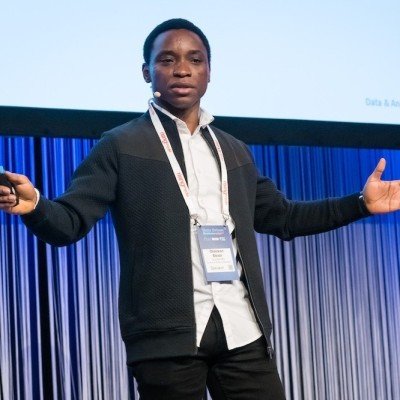
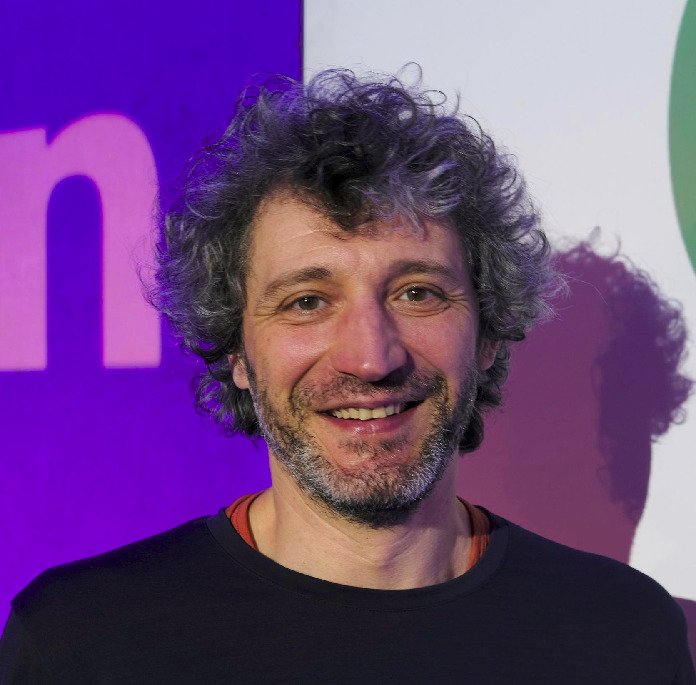 Speakers (L-R): Olalekan Elesin, Patrick Debois, Mallika Rao, Martin Reynolds
The New DevOps Mandate
The panel concluded with urgent guidance:
- Engineers: Become context architects – document systems so agents can ingest them
- Leaders: Fund observability basics before agent deployment
- All: Treat AI as force multiplier for your most valuable resource: human judgment
As Reynolds concluded: "This isn't about replacing humans. It's about letting engineers sleep through deployments that used to require night shifts." The transformation echoes DevOps' original promise – not just faster pipelines, but fundamentally rethinking how humans and machines collaborate to build resilient systems.
Watch the full discussion: DevOps Modernization Panel
Comments
Please log in or register to join the discussion