Recent federal actions and tech industry lobbying campaigns are creating a new regulatory reality for AI development and datacenter expansion.

The Trump administration's December 2025 executive order prohibiting state-level AI regulations marks a pivotal shift in compliance requirements for technology companies. This directive, coupled with aggressive lobbying efforts by major tech firms, establishes new parameters for AI development and infrastructure deployment.
Regulatory Action: Federal Preemption Framework
The executive order (EO 13875) prohibits states from implementing regulations that "unreasonably restrict artificial intelligence development." It specifically targets:
- Algorithmic bias mitigation requirements
- Local data privacy protections exceeding federal standards
- Security certification mandates for AI systems
Attorney General Pam Bondi's newly formed AI Litigation Task Force will actively challenge existing state regulations, such as California's Algorithmic Accountability Act and Illinois's Biometric Data Protection Statute. This federal preemption creates a uniform compliance baseline, overriding stricter state-level frameworks.
Industry Self-Regulation Requirements
In parallel, hyperscalers including Meta, Google, and Amazon have established binding principles through their Datacenter Compact:
- Energy Efficiency: Annual public reporting of PUE (Power Usage Effectiveness) metrics with maximum 1.2 threshold by 2028
- Water Conservation: Implementation of closed-loop cooling systems in all new facilities by Q3 2027
- Community Engagement: Mandatory impact assessments filed with local governments 180 days before construction
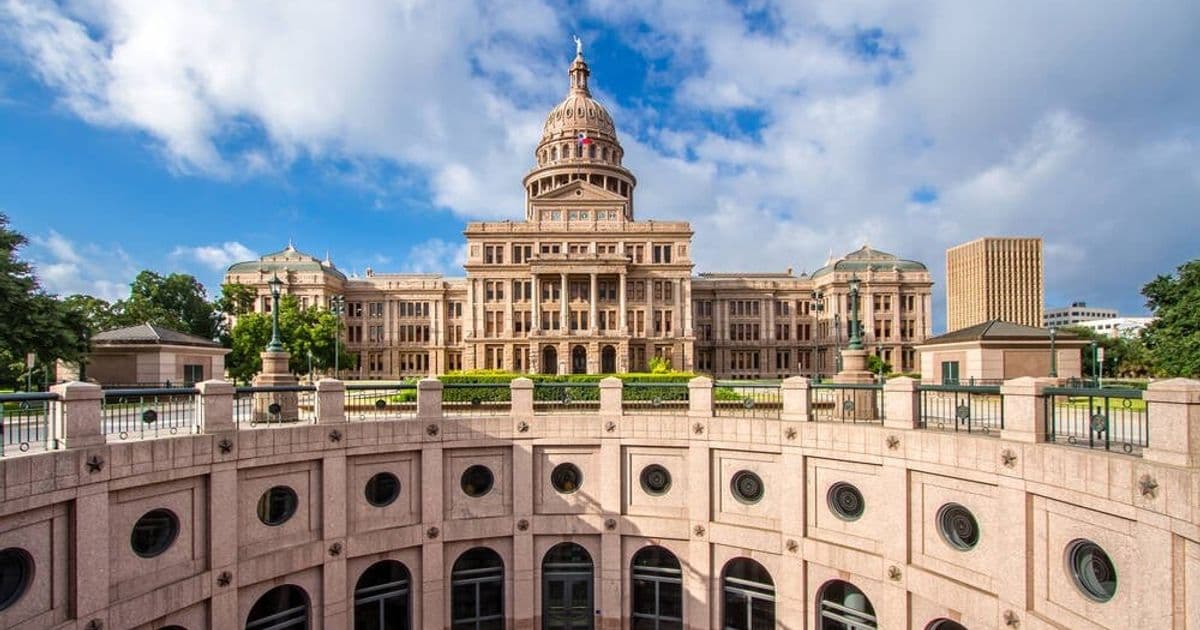
 The Texas State Capitol, where legislative battles over datacenter regulations continue despite federal preemption efforts
These requirements emerged from industry recognition that local opposition halted 20 datacenter projects in 2025 alone. Compliance now necessitates documented adherence to these principles for all facilities exceeding 50MW capacity.
Political Lobbying Compliance Timeline
The $115 million in combined funding from Meta's PACs ($65M) and the "Leading the Future" PAC ($50M) targets November 2026 midterm elections. This creates immediate compliance considerations:
- Q2 2026: Disclosure filings required for corporate PAC contributions under FEC Regulation 114.5
- September 2026: Pre-election lobbying activity reports due for all registered federal lobbyists
- Post-election: Contractual obligations to PAC beneficiaries require documentation of "AI policy alignment" commitments
Compliance officers must track all political contributions against FEC Schedule B requirements while ensuring vendor contracts reflect the Datacenter Compact's environmental standards. Failure to document adherence to either framework risks both federal enforcement and project delays from local opposition.
Practical Implementation Steps
- Regulatory Mapping: Audit existing state compliance programs against federal preemption boundaries by Q3 2026
- PAC Oversight: Establish real-time tracking of political contributions using FEC-compliant software (e.g., FEC.gov)
- Infrastructure Compliance: Implement ISO 50001-compliant energy monitoring systems for all new datacenters
- Community Relations: Develop standardized impact assessment templates addressing water usage, grid stability, and traffic patterns
This dual-track framework—federal preemption and industry self-regulation—requires coordinated compliance strategies that address both political engagement disclosures and technical infrastructure standards. Documentation protocols should be updated immediately to reflect the AI Litigation Task Force's enforcement authority and PAC funding transparency requirements.
Comments
Please log in or register to join the discussion