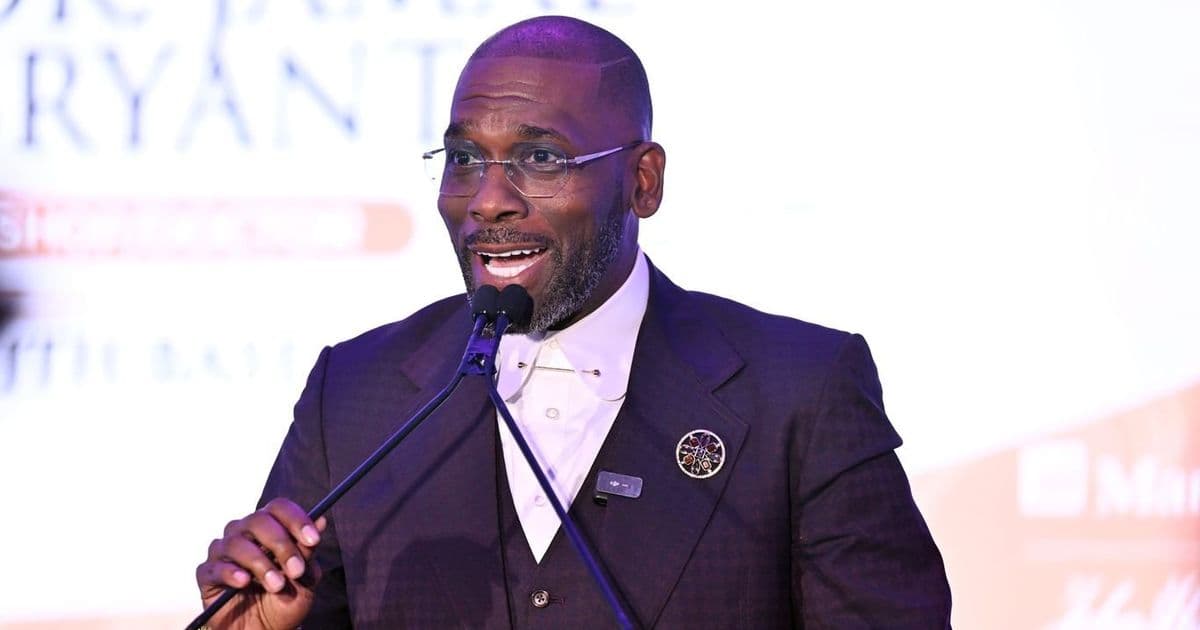
Rev. Dr. Jamal Bryant positions Jesse Jackson's civil rights activism as a strategic model for Black churches navigating political challenges under the Trump administration.
Rev. Dr. Jamal Bryant, senior pastor of New Birth Missionary Baptist Church in Atlanta, has positioned the late Jesse Jackson's civil rights legacy as a strategic blueprint for Black churches navigating the political landscape under the Trump administration. Speaking at the 2024 Social Justice Honors Brunch in Atlanta, Bryant emphasized Jackson's decades-long commitment to faith-based activism as particularly relevant in today's polarized environment.
Bryant, who received the Faith Based Activism award at the December 15 event, drew parallels between Jackson's approach during previous Republican administrations and the current challenges facing Black congregations. His remarks come at a time when many historically Black churches are reassessing their roles in political advocacy and community organizing.
Jackson's Enduring Influence on Faith-Based Activism
The civil rights icon's methodology—combining spiritual leadership with political engagement—has become increasingly pertinent as Black churches confront what many see as an administration hostile to racial justice initiatives. Jackson's work during the Reagan and Bush Sr. administrations established patterns of resistance and coalition-building that Bryant suggests remain applicable.
"Jesse Jackson showed us that the pulpit and the public square are not separate spheres," Bryant noted during his acceptance speech. "In this era, our churches must be both sanctuaries and strategic centers for justice."
The Trump Era Challenge for Black Churches
Since Donald Trump's return to the presidency, many Black religious leaders have reported increased pressure to navigate between spiritual responsibilities and political advocacy. The administration's policies on voting rights, criminal justice reform, and racial equity programs have prompted renewed activism among faith communities.
Bryant's church has been at the forefront of this movement, organizing voter registration drives, hosting political forums, and maintaining partnerships with national civil rights organizations. His invocation of Jackson's legacy serves as both inspiration and tactical guidance for congregations seeking to maintain their prophetic voice while preserving their tax-exempt status.
Historical Context and Contemporary Application
The comparison to Jackson's work is particularly apt given the similar political dynamics. During the 1980s, Jackson led the Rainbow Coalition, building bridges between Black churches and progressive political movements. Today's Black church leaders face comparable questions about how to effectively advocate for their communities while operating within an increasingly hostile political environment.
Bryant's remarks suggest that Jackson's model—which balanced direct action with institutional engagement—offers valuable lessons for contemporary faith leaders. This includes strategies for maintaining congregational unity while addressing controversial political issues and methods for translating spiritual authority into political influence.
The Role of Atlanta as a Center for Black Political and Religious Leadership
Atlanta's significance as both a political and religious hub for the African American community adds weight to Bryant's message. The city has long served as a center for Black political organizing and religious leadership, making it an appropriate venue for discussions about the intersection of faith and activism.
The Social Justice Honors Brunch, where Bryant delivered these remarks, represents an ongoing effort to recognize and encourage faith-based activism within the Black community. By honoring leaders who successfully navigate these dual roles, the event reinforces the importance of Jackson's legacy in contemporary religious and political discourse.
Looking Forward: The Path Ahead for Black Churches
As Black churches continue to grapple with their role in the current political climate, Bryant's framing of Jackson's legacy provides a roadmap for action. The emphasis on strategic activism—rooted in spiritual principles but directed toward concrete political goals—offers a framework for congregations seeking to maintain their relevance and effectiveness in advocacy work.
This approach suggests that Black churches can remain faithful to their spiritual missions while also serving as vital centers for political resistance and community empowerment. Jackson's example demonstrates that these roles are not mutually exclusive but rather complementary aspects of a holistic approach to faith-based leadership in challenging political times.
The challenge for today's Black church leaders will be adapting Jackson's strategies to contemporary circumstances while maintaining the core principles that made his work effective. As Bryant's remarks indicate, this may well be the defining task for Black religious leadership in the current era.
Comments
Please log in or register to join the discussion