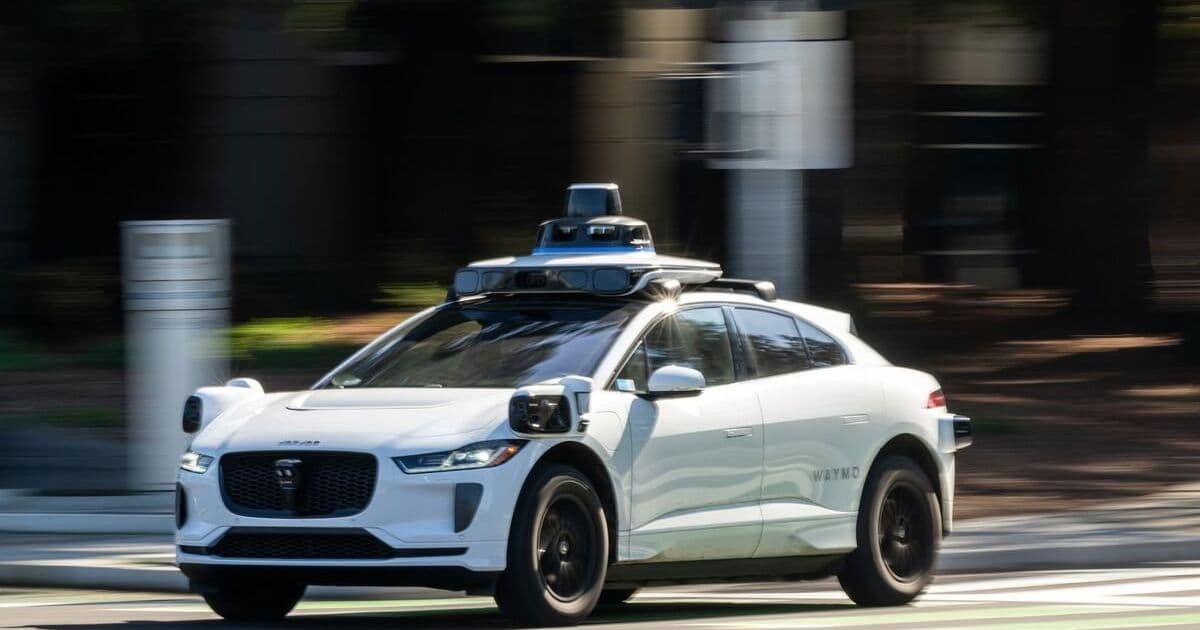
New York Governor Kathy Hochul has withdrawn a proposal to permit commercial robotaxi operations outside New York City, creating significant regulatory hurdles for Waymo's plan to reach 1 million weekly paid U.S. rides by late 2026.
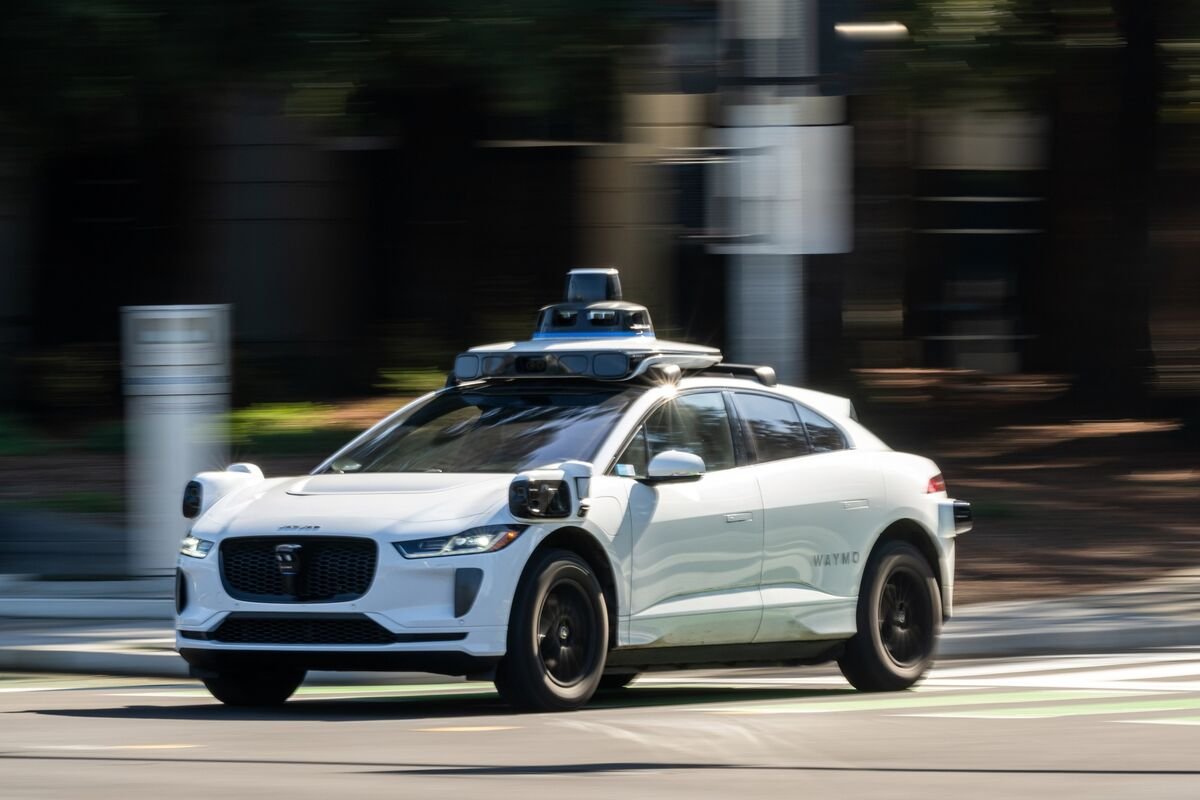
In a regulatory setback for autonomous vehicle deployment, New York Governor Kathy Hochul has withdrawn a proposal that would have permitted commercial robotaxi services outside New York City. The decision directly impacts Waymo's expansion strategy, as the Alphabet subsidiary aimed to reach 1 million paid weekly U.S. rides by the end of 2026. This represents a significant obstacle in the company's growth trajectory.
Currently, New York maintains some of the nation's strictest regulations on autonomous vehicles. The proposed legislation would have allowed companies like Waymo to operate commercial services beyond NYC's current limited testing zones. Withdrawal of the proposal maintains the status quo, requiring human safety drivers in all autonomous vehicles statewide except within specially designated NYC testing corridors.
The decision comes amid persistent concerns about autonomous vehicle performance in complex urban environments. While Waymo operates commercial services in Phoenix, San Francisco, and Los Angeles, New York's dense traffic patterns, aggressive driving culture, and extreme weather conditions present unique challenges. Regulatory documents indicate transportation officials remain unconvinced that current technology can reliably navigate scenarios like unexpected construction zones, jaywalking pedestrians, or emergency vehicle interactions without human oversight.
Waymo's expansion plans now face substantial headwinds. The company previously stated that Northeast corridor expansion was crucial for achieving its ambitious ridership targets. With New York representing the largest untapped metropolitan market on the East Coast, alternative expansion routes would likely require focusing on smaller cities or slower growth in existing markets. Competitor Cruise's operational suspension following safety incidents has already heightened regulatory scrutiny industry-wide.
Technical limitations remain central to the debate. Waymo's fifth-generation Driver system employs a combination of lidar, radar, cameras, and machine learning algorithms trained on over 20 million miles of real-world driving data. However, edge cases involving unpredictable human behavior, adverse weather, and unstructured road environments continue to challenge even the most advanced systems. New York's decision reflects ongoing skepticism about whether sensor suites can adequately interpret complex urban scenarios like double-parked delivery trucks, emergency detours, or aggressive driver behavior.
Industry analysts note the setback highlights a broader pattern of regulatory caution. While Arizona and California have permitted limited commercial operations, major economic hubs like New York, Chicago, and Boston maintain stricter controls. The New York State Department of Transportation continues to emphasize a "safety-first" approach, requiring demonstrable performance improvements before reconsidering commercial deployment.
For Waymo, the path forward involves either refining technology to address specific New York concerns or redirecting resources toward more permissive markets. Neither option aligns with the company's original 2026 growth timeline. As autonomous vehicle development enters a more challenging phase of scaling, regulatory approvals appear increasingly dependent on solving persistent technical limitations rather than optimistic deployment schedules.
Comments
Please log in or register to join the discussion