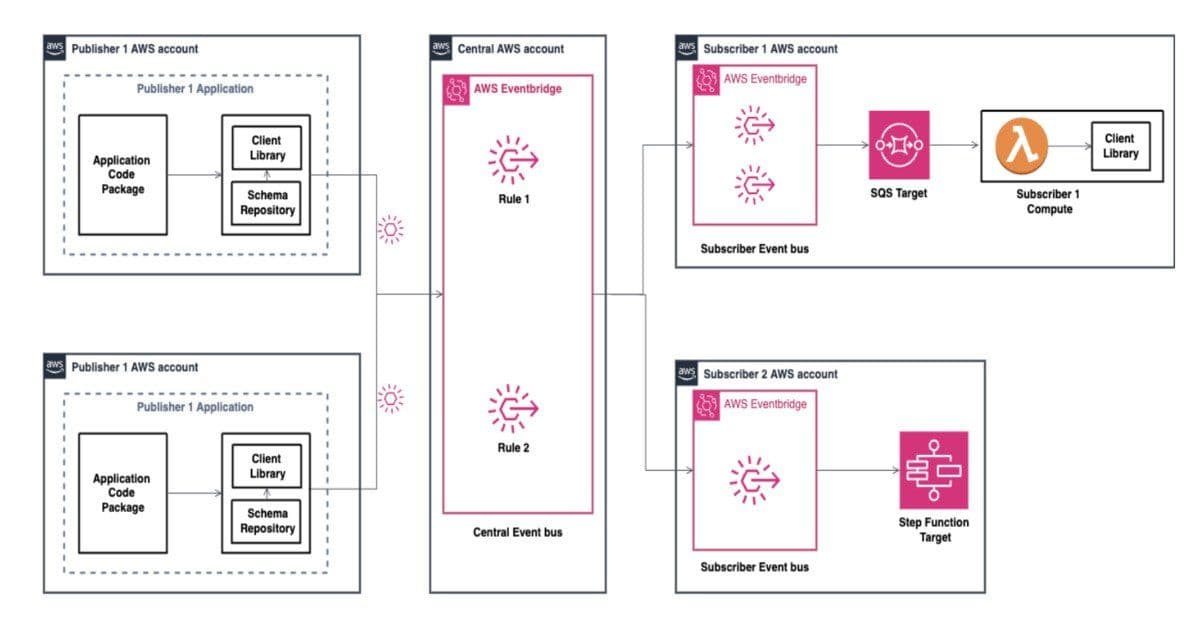
Amazon Key migrated from a monolithic architecture to an event-driven system using Amazon EventBridge, reducing service integration time from 48 hours to 4 hours while processing 2,000 events per second at 99.99% reliability.
Amazon Key, the system enabling secure in-garage deliveries and property access management, underwent a fundamental architectural transformation to overcome scalability and reliability constraints in its monolithic design. The previous architecture suffered from tight coupling where service failures propagated across components, manual event routing with limited filtering, and inefficient schema validation processes. These limitations constrained the platform to a small number of subscribers and made onboarding new consumers prohibitively slow.
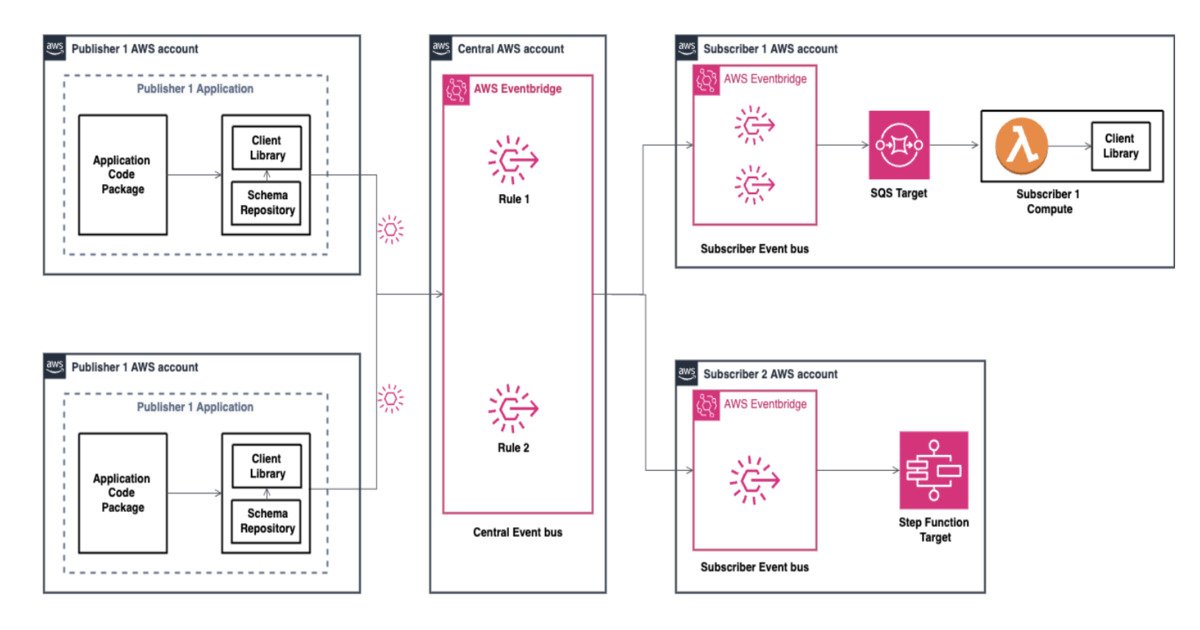
The redesign implemented a centralized event backbone using Amazon EventBridge. At its core is a multi-account pattern where:
- A primary EventBridge bus in a dedicated core account ingests all domain events
- Routing rules evaluate event patterns and forward matching events to subscriber accounts
- Each subscriber account maintains isolated processing logic and targets
This structure provides service autonomy while preserving centralized governance over routing policies, IAM permissions, and compliance controls. Teams deploy independently while sharing a common event infrastructure.
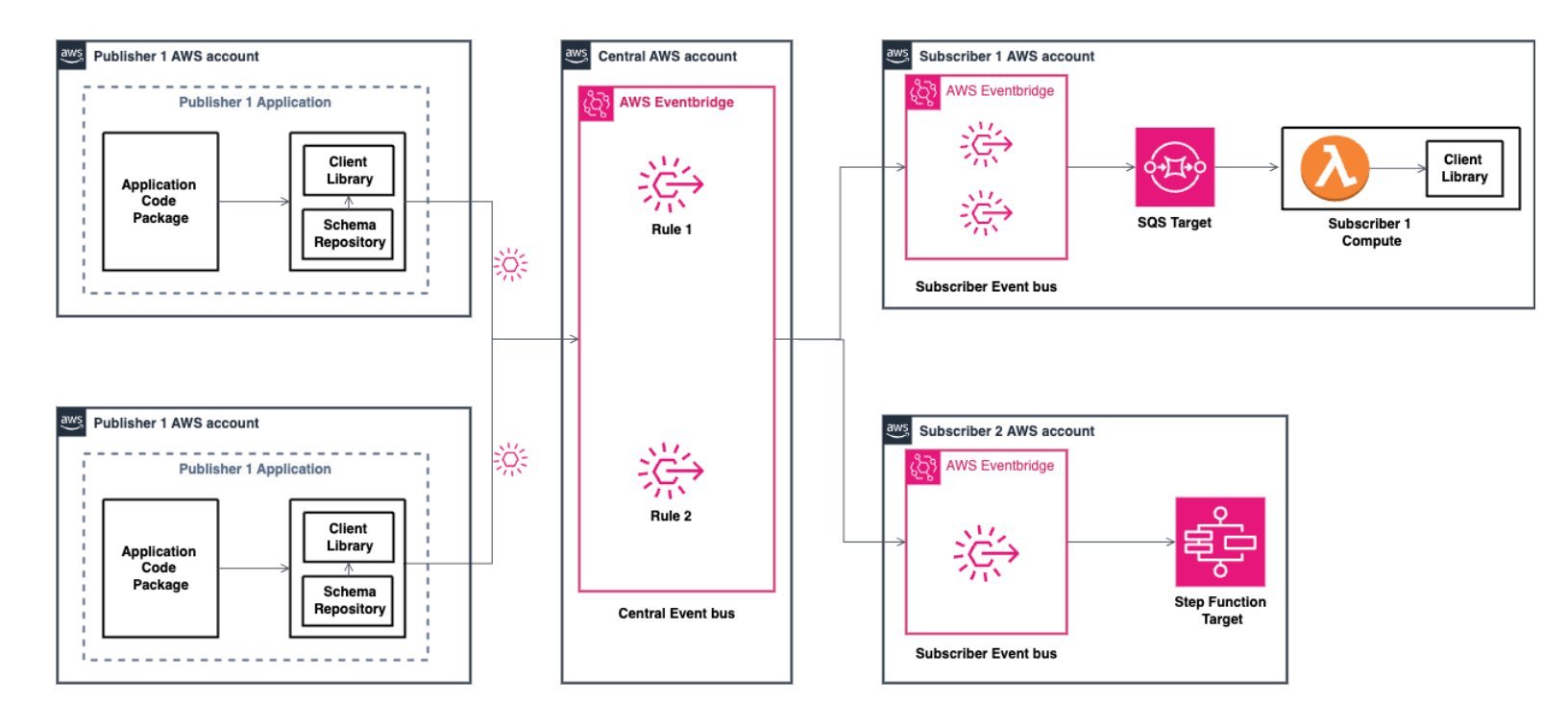
Schema management received significant overhaul through:
- A centralized schema registry enforcing version-controlled contracts
- A custom client library validating and serializing events against schemas pre-publication
- Identical validation/deserialization at subscriber endpoints
This eliminated integration errors from inconsistent payloads and enabled structured validation beyond basic field checks. The validation flow ensures contract compliance across producers and consumers.
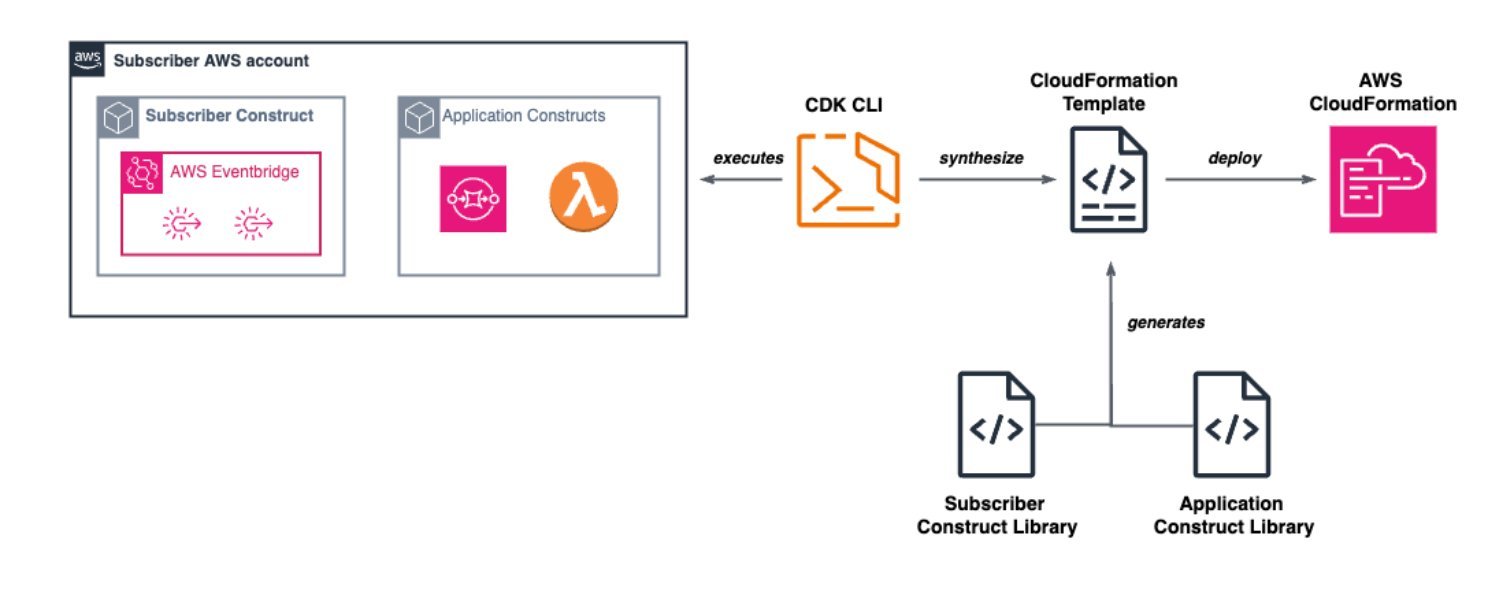
Infrastructure provisioning was automated using AWS CDK constructs that:
- Configure event buses and routing rules
- Establish cross-account IAM permissions
- Deploy standardized monitoring and alerting
These reusable components reduced manual configuration and enforced consistent observability practices.
Quantifiable outcomes include:
- Throughput: 2,000 events/sec sustained
- Reliability: 99.99% success rate
- Latency: p90 of ~80ms from ingestion to target
- Onboarding: Reduced from 48 hours to 4 hours
- Integration: Service connections decreased from 40 hours to 8 hours
The platform now handles millions of daily events while maintaining predictable performance. This architectural shift demonstrates how centralized event governance combined with decentralized processing can resolve scaling bottlenecks in complex service ecosystems.
Comments
Please log in or register to join the discussion