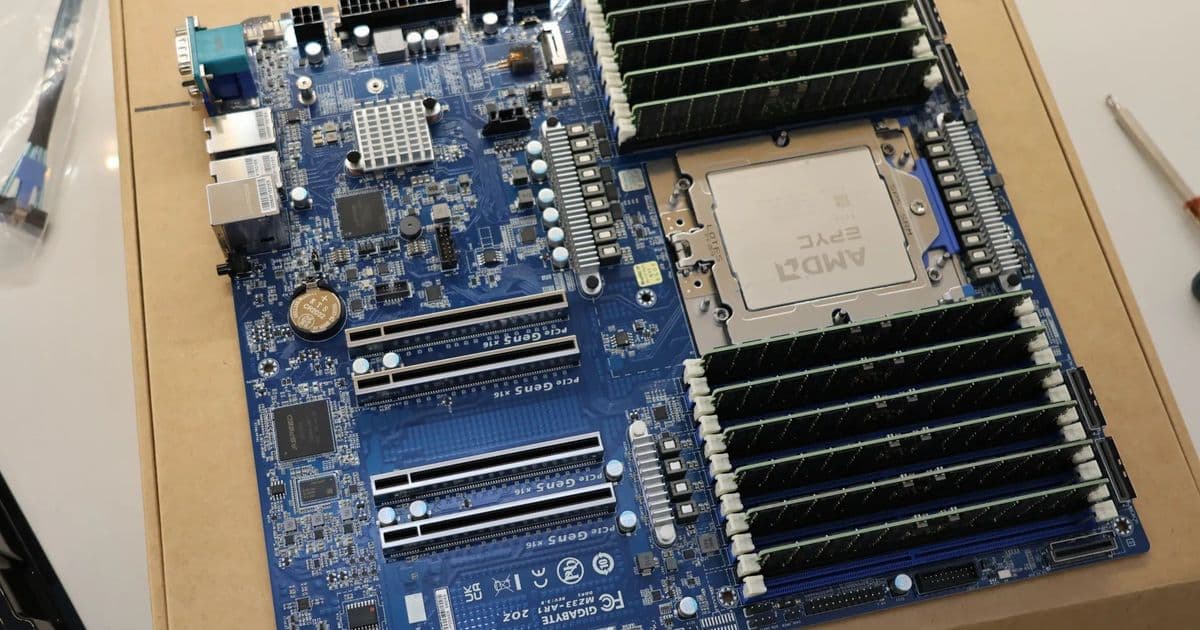
Gigabyte's MZ33-AR1 server motherboard emerges as the only retail platform enabling Coreboot and openSIL firmware for AMD's EPYC 9005 Turin processors, thanks to independent development efforts by 3mdeb.
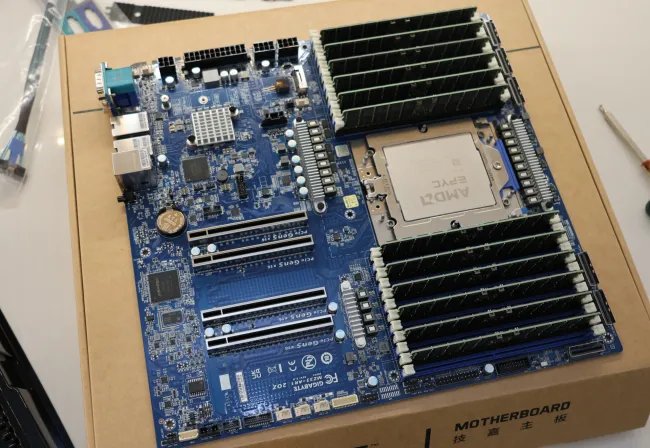
The Gigabyte MZ33-AR1 server motherboard represents a significant milestone for open-source firmware adoption in enterprise hardware. This E-ATX platform supports AMD's EPYC 9004/9005 series processors (codenamed Turin) and distinguishes itself through ongoing independent development of open-source firmware alternatives – a rarity in the server motherboard market.
Hardware Specifications Overview
- CPU Support: Single-socket AMD EPYC 9004/9005 series processors (SP5 socket)
- Memory: 24x DDR5 RDIMM slots supporting 8-channel configurations
- Expansion: 4x PCIe Gen5 x16 slots
- Storage: 6x MCIO connectors (equivalent to 12x SATA ports)
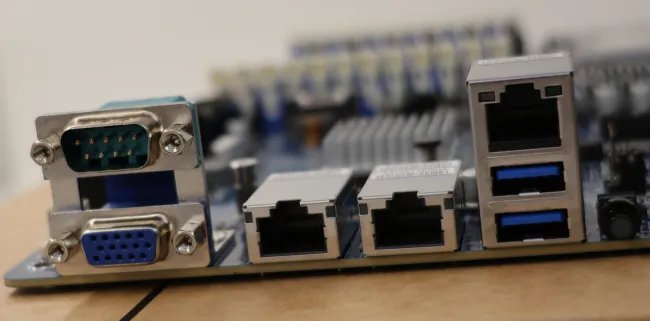
- Networking: Dual 10GbE LAN ports
- Form Factor: Extended ATX (12" x 13")
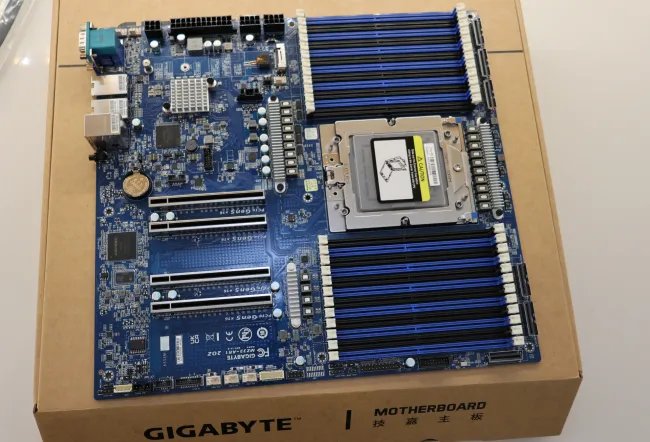
What elevates the MZ33-AR1 beyond conventional server boards is its position as the only commercially available motherboard with active open-source firmware development. While Gigabyte provides standard proprietary firmware, Poland-based consulting firm 3mdeb is independently porting Coreboot/Dasharo with AMD's openSIL (open-Source Initialization Library) to replace the proprietary AGESA firmware. This effort eliminates closed-source components during the critical hardware initialization phase.
Open-Source Firmware Progress
3mdeb's development timeline shows concrete progress:
- Coreboot/Dasharo port functional and targeting upstream integration in H1 2026
- openSIL implementation replacing AMD's proprietary AGESA firmware
- OpenBMC port planned for H2 2026 to replace proprietary BMC firmware
- SEV-TIO support (Trusted I/O) in development for enhanced security
The firmware transition enables full auditability of the boot process and removes opaque binary blobs – critical for security-conscious enterprises and open-source advocates. Unlike AMD's reference boards used for internal openSIL validation, the MZ33-AR1 is readily available through retail channels at approximately $700 USD.
Homelab Implementation Considerations
For homelab builders and performance-focused users, this platform offers unique advantages:
- CPU Compatibility: Supports both current Genoa (9004) and upcoming Turin (9005) processors
- Memory Flexibility: 24 DIMM slots allow cost-effective capacity scaling
- PCIe Gen5 Bandwidth: Full x16 slots enable high-speed NVMe arrays or GPU acceleration
- Power Delivery: Server-grade VRM design sustains sustained multi-threaded workloads
When configuring a build, prioritize:
- Cooling: SP5 socket requires server-grade air or liquid cooling solutions
- Case: E-ATX compatible chassis with robust airflow (e.g., Chenbro RM41300-F)
- PSU: 80 Plus Platinum/Titanium server PSU with 12VHPWR connector
- Storage: MCIO-to-U.2 adapters for Gen5 NVMe arrays
The MZ33-AR1's relevance extends beyond current hardware. With AMD planning broader openSIL adoption starting with Zen 6, this board provides early access to the open-source firmware ecosystem. 3mdeb's parallel work on AMD AM5 consumer platforms suggests growing momentum for open firmware alternatives.
For enthusiasts investing in Turin platforms, the MZ33-AR1 delivers rare future-proofing: server-grade expandability today with the promise of fully auditable open-source firmware in the near future. Its retail availability makes open-source server firmware accessible outside corporate labs – a significant step toward transparent computing infrastructure.
Comments
Please log in or register to join the discussion