Hyperscale data centers are rapidly expanding gas turbine capacity to meet AI's insatiable energy demands, potentially adding 44 million tons of CO2 emissions by 2030—equivalent to 10 million cars.
The explosive growth of artificial intelligence is driving a massive expansion of gas-powered electricity generation, with new data centers adding fossil fuel infrastructure at an unprecedented rate. According to a report from nonprofit social justice organization Truthout, the AI boom could result in an additional 44 million tons of carbon dioxide emissions by 2030—roughly equivalent to the annual emissions of 10 million private vehicles.
This surge in greenhouse gas emissions comes as hyperscalers scramble to meet the seemingly insatiable energy demands of AI training and inference. The compute requirements for modern AI systems have created what amounts to an inexhaustible appetite for processing power, triggering a data center building boom across the United States and globally.
The energy challenge is staggering. Deloitte Insights warned last year that power needed by data centers in the US could increase more than 30-fold within a decade. This explosive growth is straining existing electrical grids and forcing companies to seek alternative power solutions.
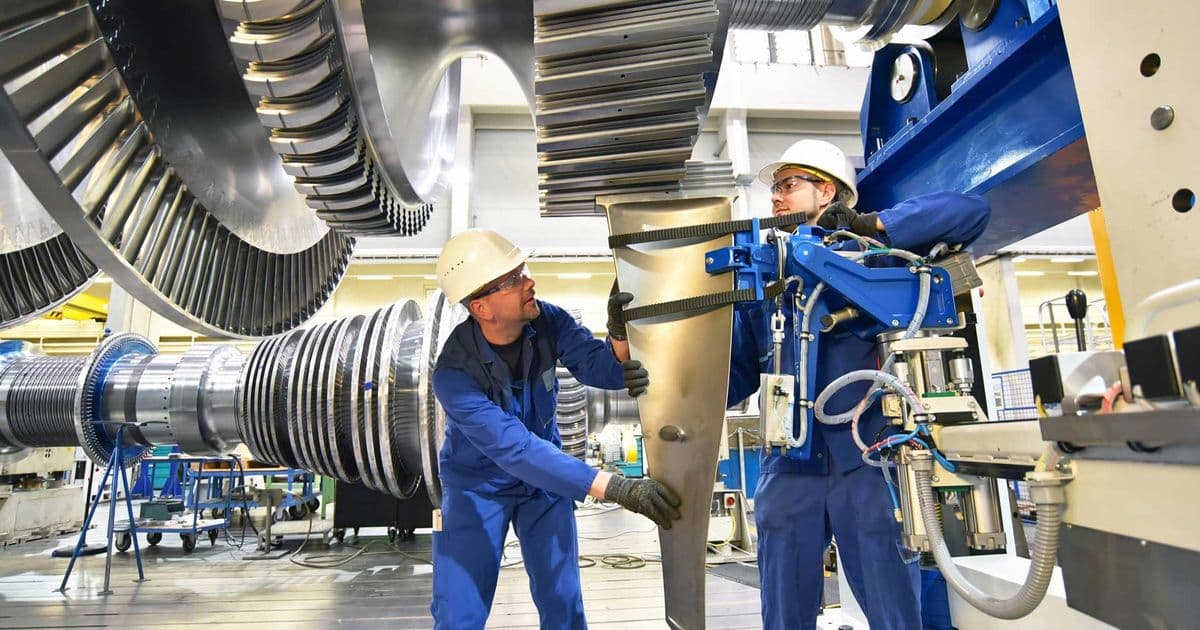
Gas turbines have emerged as the quickest solution for adding capacity, provided operators can secure the equipment and have access to natural gas pipelines. The demand has become so intense that there's now a shortage of gas turbine equipment specifically designed for power generation. Some data center operators have resorted to repurposing old aircraft engines to generate energy on-site.
Boom Supersonic, known for developing faster-than-sound passenger aircraft, has identified this market opportunity and is now building power turbines based on its Symphony supersonic engine. The company has secured Crusoe, a neocloud operator, as its first customer for 29 turbines that can be deployed at data centers across the United States.
Major tech companies are embracing this approach. Meta is powering its facilities with on-site gas generators, with its Hyperion campus in Louisiana expected to scale up to five gigawatts in capacity. Entergy has been commissioned to build three combined-cycle combustion turbine plants supplying 2.26 gigawatts of power to support this expansion.
Microsoft acknowledges that renewables have an important role to play in the energy supply mix, particularly in states with abundant sunshine or wind. However, the company still views natural gas as the near-term solution for meeting much of its energy needs. This pragmatic approach reflects the reality that renewable energy infrastructure cannot be deployed quickly enough to meet the immediate demands of AI expansion.
The trend extends beyond the United States. Truthout reports that projects adding up to more than 1,000 gigawatts of gas-fired power are now in development worldwide, representing a roughly 31 percent increase in just the last year. While America is the largest contributor to this expansion, the global data center industry is collectively turning to fossil fuels to power its growth.
Coal is also experiencing a resurgence, driven by the same datacenter demand. Coal-fired generation increased nearly 20 percent last year, and the Trump administration has actively encouraged this trend. The President recently signed an Executive Order directing military installations and defense facilities to sign long-term power purchase agreements with coal-fired energy production facilities.
This energy strategy aligns with official US government policy. Interior Secretary Doug Burgum told a natural gas industry event last year that the real existential threat facing the world is America losing the AI arms race, not climate change. This prioritization of technological competitiveness over environmental concerns has created a regulatory environment where opposition from organizations like Truthout is unlikely to carry much weight.
The situation represents a significant challenge for climate goals. While tech companies often tout their renewable energy commitments and carbon neutrality targets, the reality is that the AI revolution is being powered primarily by fossil fuels in the near term. The gap between public messaging about sustainability and the actual energy infrastructure being built reveals the tension between ambitious AI development and climate responsibility.
As AI continues to evolve and demand for compute power grows exponentially, the energy choices made today will have lasting impacts on global carbon emissions. The current trajectory suggests that the AI industry's growth may come at a substantial environmental cost, potentially undermining broader efforts to combat climate change even as it drives technological progress.
Comments
Please log in or register to join the discussion