
AI‑focused data centers are driving a surge in demand for specialty optical fiber that outpaces supply. Chinese manufacturers report lead times of up to a year, while prices have risen 70 % since 2021. New preform capacity will not be online until 2027, leaving hyperscalers to lock in long‑term contracts and prompting major investments from Corning and Nvidia.
Announcement
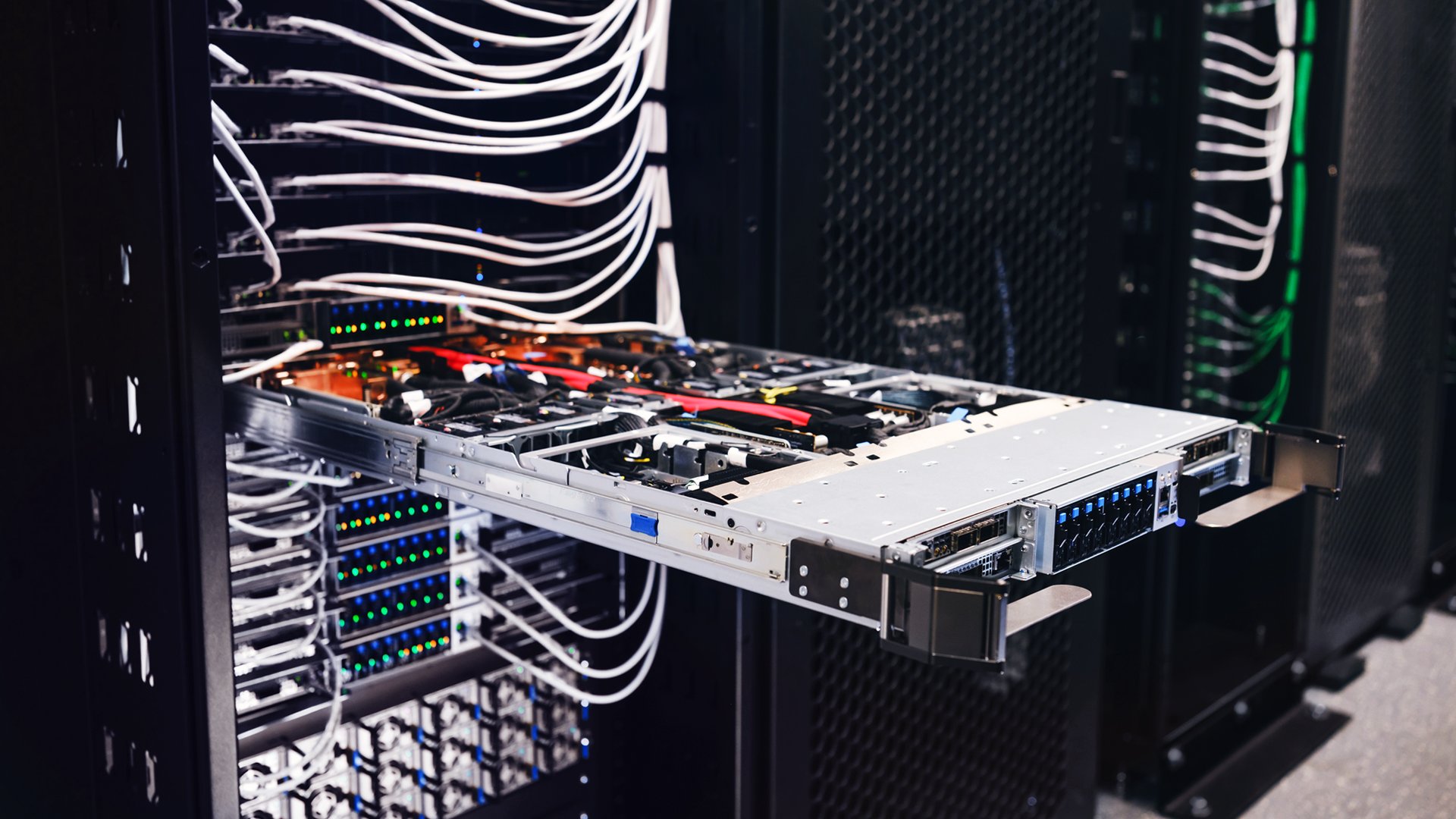
Major Chinese optical‑fiber makers Hengtong and FiberHome have announced that their order books now extend into early 2027. The surge is tied to AI data‑center construction, which, according to STL’s optical‑networking chief Rahul Puri, requires about 36 times more fiber than a conventional CPU‑server rack. The result is a supply chain that is stretching to its limits: delivery windows that used to be measured in weeks are now measured in months, and for some smaller buyers the lead time has reached 12 months.

Technical specs and production bottlenecks
Fiber types and performance
- G.657A – the bend‑insensitive fiber now preferred for AI clusters and drone‑link back‑hauls. Its tighter bend radius allows dense rack‑to‑rack cabling in high‑density cabinets, reducing space overhead by up to 40 % compared with legacy G.652D.
- G.652D – the workhorse of telecom backbones. Production has been diverted to G.657A, creating a secondary shortage for traditional telecom operators.
Manufacturing constraints
- Preform fabrication – the glass rod from which fiber is drawn. Building a new preform line takes 18–24 months because the process demands ultra‑pure silica, high‑temperature furnaces, and precise diameter control (±0.5 µm). No rapid‑scale solution exists; even a 30 % expansion in existing lines would still need two years to become operational.
- Capacity shift – Chinese fabs have re‑allocated roughly 45 % of their G.652D capacity to G.657A to capture higher margins in AI and aerospace markets. This reallocation explains why telecom‑grade fiber prices have jumped from $3.70/km in 2021 to $6.30/km in 2024, a 70 % increase.
Demand numbers
- Global fiber demand for AI data centers grew ~76 % YoY in 2025 (CRU data).
- By 2027, AI‑related fiber is projected to represent 30 % of total global fiber consumption, up from <5 % in 2024.
- A typical AI training rack (e.g., 8 × NVIDIA H100 GPUs) uses roughly 1.2 km of fiber for intra‑rack links, compared with 33 m in a standard x86 server rack – a factor of 36×.
Market implications
Short‑term pricing pressure
The mismatch between demand and supply has pushed lead times for large‑volume orders to 20 weeks, while smaller purchasers face a full‑year wait. Prices have risen 70 % since the 2021 trough, and analysts expect a further 15‑20 % increase before new capacity comes online.
Strategic contracts and cap‑ex
- Meta signed a $6 billion multi‑year fiber supply deal with Corning in January 2024, locking in price and volume for the next three years.
- NVIDIA invested $300 million in Corning to fund three new fiber plants in North Carolina and Texas. These facilities are slated to start production in 2027, aligning with the projected peak of AI‑driven fiber demand.
- North American demand is forecast to grow 22‑25 % in 2024, while regional supply expansion lags at 12‑19 % (Rebio Group).
Ripple effects on telecom
The shift toward G.657A has left telecom operators scrambling for G.652D. Some carriers are now sourcing from European niche players at a 40 % premium. The secondary shortage could delay 5G rollout projects that rely on high‑capacity backbone fiber.
Long‑term outlook
Even with the upcoming Corning plants, the industry will not see a net increase in preform capacity until 2027 or later. In the interim, hyperscalers are likely to continue securing long‑term contracts, and smaller data‑center builders may be forced to adopt hybrid architectures that blend traditional copper back‑plane links with limited fiber runs.
Conclusion
The AI boom is reshaping the optical‑fiber market in the same way that GPU demand reshaped semiconductor fab capacity a few years ago. With 36× the fiber per rack, a 70 % price hike, and year‑long lead times, the glass shortage is now a critical factor in data‑center planning. Companies that can lock in supply early—or that invest in alternative interconnect technologies such as silicon‑photonic modules—will have a decisive advantage as the AI infrastructure rollout accelerates toward 2027.
Comments
Please log in or register to join the discussion