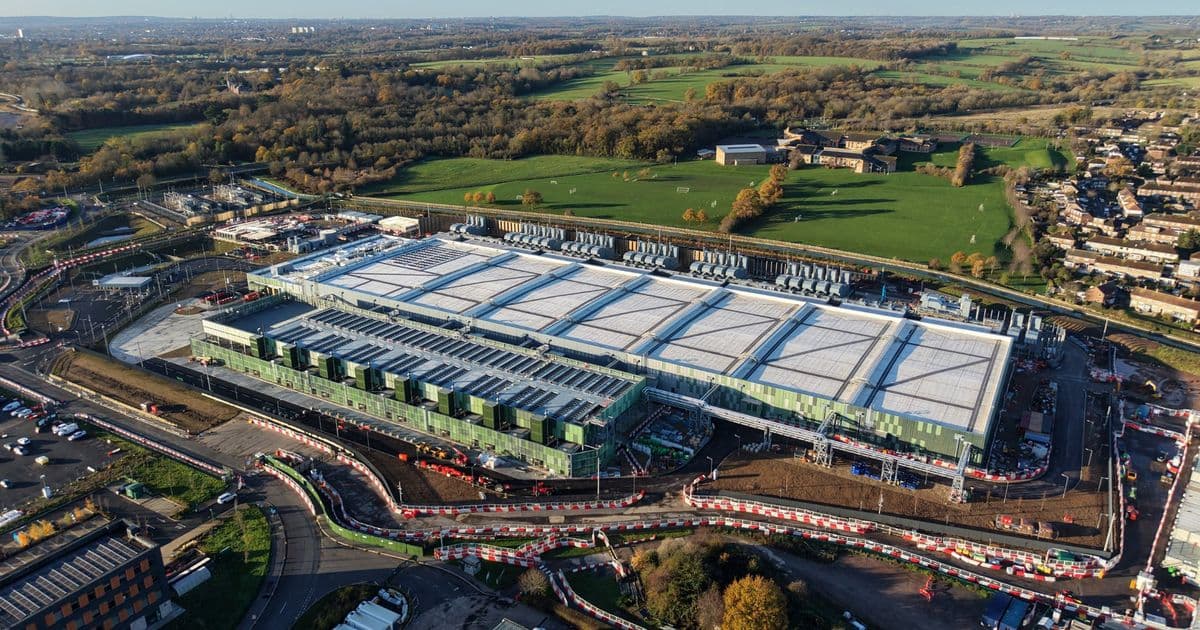
Residents near AI hyperscale facilities are reporting persistent low‑frequency hums and high‑decibel sounds from cooling systems and on‑site turbines. Measurements show continuous noise levels of 90‑105 dB, while infrasound below 20 Hz is felt but not captured by standard meters. The article breaks down the sources, quantifies the acoustic impact, and examines how these issues could reshape site selection, equipment design, and regulatory pressure on the AI data‑center market.
Announcement
Communities surrounding newly built AI hyperscale campuses are filing an unprecedented number of noise‑complaint tickets. The Environmental and Energy Study Institute (EESI) has documented continuous sound pressure levels (SPL) of 96 dB(A) for up to 24 hours a day, seven days a week, and a measurable infrasound component below 20 Hz that registers on vibration sensors but not on conventional decibel meters. Local governments in Texas, Arizona, and North Carolina have already placed temporary moratoria on further expansions until acoustic impact studies are completed.
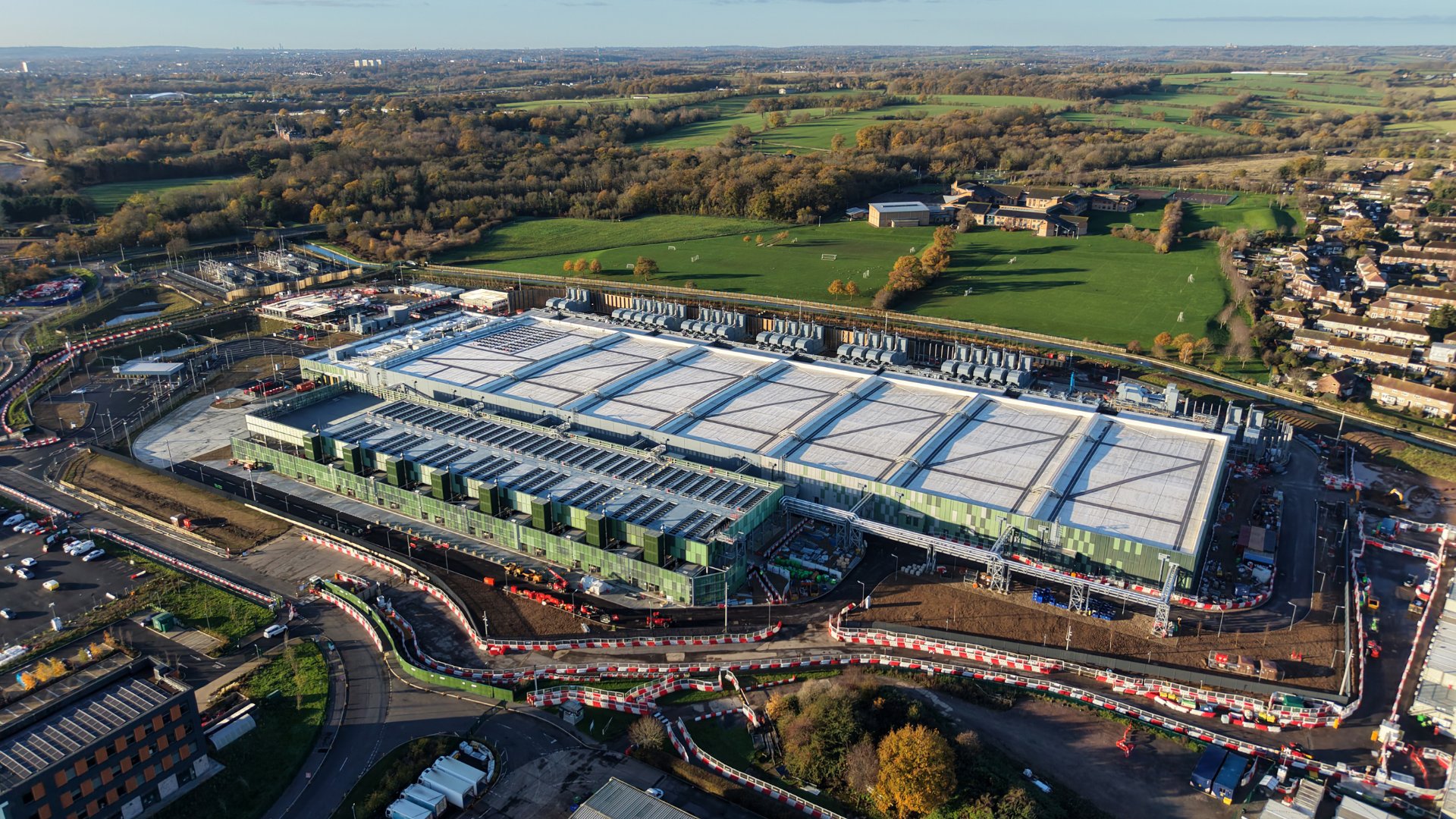
Technical specs: where the noise comes from
| Source | Typical power rating | Acoustic output (peak) | Frequency range |
|---|---|---|---|
| Natural‑gas turbine (on‑site power) | 5–15 MW per unit | 100–105 dB at 1 m | 20 Hz–2 kHz |
| Air‑side cooling fans (CRAC/CRAH) | 10–30 kW per rack | 85–92 dB at 1 m | 30 Hz–5 kHz |
| Diesel backup generators (standby) | 2–4 MW per unit | 95–103 dB at 1 m | 40 Hz–3 kHz |
| Power‑distribution transformers (high‑load) | 1–3 MW per unit | 70–78 dB at 1 m | 50 Hz (line) |
Infrasound generation
Infrasound is produced when turbine exhaust gases interact with the large‑diameter fan blades of the gas‑turbine compressors. The resulting pressure wave can have a fundamental frequency as low as 12 Hz, with harmonics extending into the audible band. Because human hearing typically cuts off at 20 Hz, occupants describe the phenomenon as a “pressure vibration” or a “deep hum” that can be felt through walls and furniture. Vibration accelerometers placed 30 m from a 10 MW turbine at the Mira AI Campus recorded RMS acceleration of 0.025 g, a level associated in occupational health studies with increased reports of headaches and sleep disturbance.
Cooling‑system contribution
Modern AI GPUs, such as the NVIDIA H100, draw up to 3.7 MWh yr⁻¹ per card. A 2‑U server housing eight of these GPUs can dissipate ≈ 30 kW of heat. To keep junction temperatures below 85 °C, data‑center designers deploy high‑static‑pressure centrifugal fans that move 30 000 CFM per rack. When dozens of such fans operate in parallel, the cumulative SPL at the perimeter of the building can exceed 90 dB(A). Unlike a single fan, the acoustic field becomes a coherent plane wave, which travels farther and is less attenuated by typical building insulation.
Market implications and supply‑chain ripple effects
Site‑selection pressure – The acoustic footprint adds a new dimension to the classic power‑availability and fiber‑latency calculus. Developers are now evaluating minimum setback distances of 500 m to 1 km for turbine‑powered sites, effectively reducing the pool of viable locations near existing fiber backbones. This could push hyperscalers toward remote, brownfield conversions where community opposition is lower, but where power‑grid upgrades are more costly.
Equipment redesign incentives – OEMs such as Cummins Power Generation and Honeywell are accelerating programs to lower turbine blade tip speed and incorporate active noise‑cancellation enclosures. Early prototypes claim a 10‑15 dB reduction in the 15‑30 Hz band, which translates to a perceived halving of the hum’s intensity for nearby residents.
Regulatory cost escalation – Municipalities that adopt ANSI/ASA S12.60‑2024 acoustic‑impact standards will require pre‑construction acoustic modeling and continuous on‑site SPL monitoring. Compliance can add $2–5 M per megawatt of on‑site generation capacity, a figure that will be passed through to cloud‑service pricing.
Supply‑chain strain on cooling hardware – As data‑center operators seek quieter alternatives, demand for liquid‑cooling plates and submerged immersion systems is projected to rise by 35 % YoY through 2028. Companies like CoolIT Systems and GRC have already reported order backlogs exceeding 12 months, indicating a potential bottleneck for AI‑training clusters that cannot afford to delay rack deployment.
Community‑relations budgeting – The rise in acoustic complaints has led major hyperscalers to allocate up to 0.5 % of CAPEX to community‑impact mitigation—funding sound‑barrier walls, acoustic‑insulated housing for on‑site staff, and public‑hearing outreach programs. While modest in absolute terms, this line item will become a standard metric in future RFP evaluations.
Outlook
If the current trajectory holds, acoustic externalities will become a decisive factor in the next wave of AI data‑center construction. Operators that invest early in low‑frequency attenuation technologies and distributed power architectures (e.g., grid‑tied renewable mixes with battery buffering) will likely secure faster permitting and avoid costly retrofits. For the broader supply chain, the shift translates into higher demand for quiet turbine designs, liquid‑cooling components, and real‑time acoustic monitoring platforms such as Bruel & Kjaer’s 4192‑L‑AE.
Stakeholders should watch for three near‑term signals:
- Permit filings that include acoustic impact statements—an early indicator of regulatory tightening.
- OEM announcements of sub‑20 Hz noise‑reduction kits for gas turbines.
- Investment trends in immersion‑cooling startups, which promise to cut both power‑draw and noise by up to 40 %.
The convergence of AI compute demand, power‑intensive cooling, and now audible community impact creates a complex set of trade‑offs. Companies that can balance raw performance with a quieter footprint will be best positioned to expand their hyperscale footprints without triggering the next wave of local opposition.
Comments
Please log in or register to join the discussion