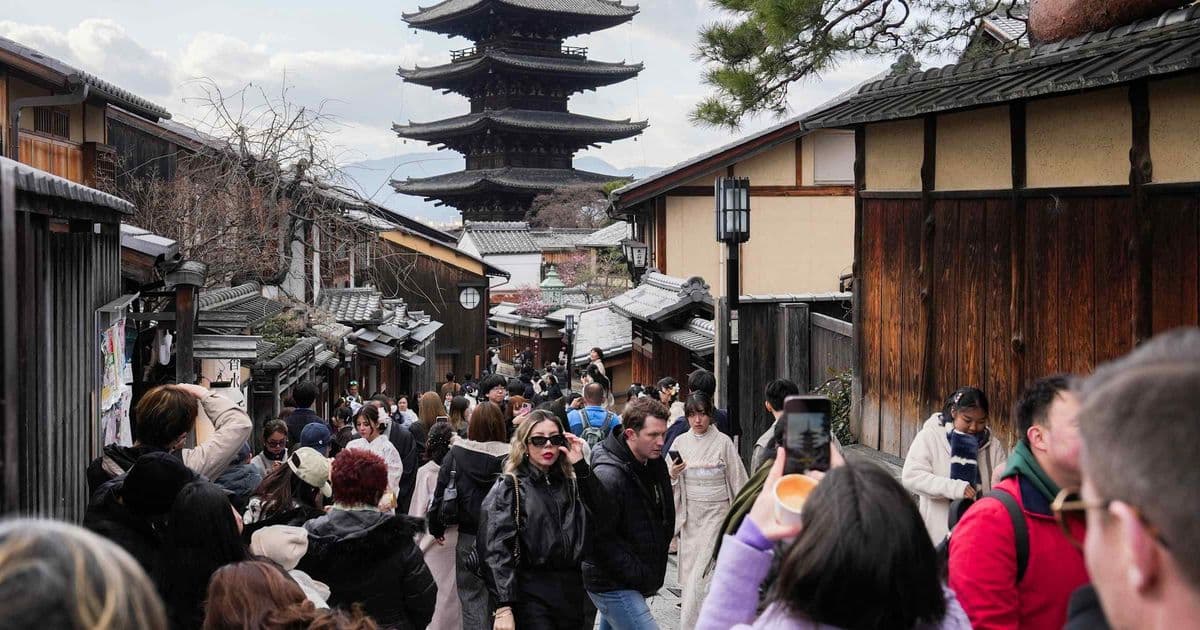
A sudden queue at Kyoto Station’s Shinkansen exit underscores deeper issues in Japan’s inbound tourism surge, from aging infrastructure and uneven regional capacity to policy gaps in visitor management. The episode signals that without coordinated upgrades and smarter distribution of tourists, Japan risks turning its post‑pandemic rebound into a logistical headache.
A crowded exit at Kyoto Station
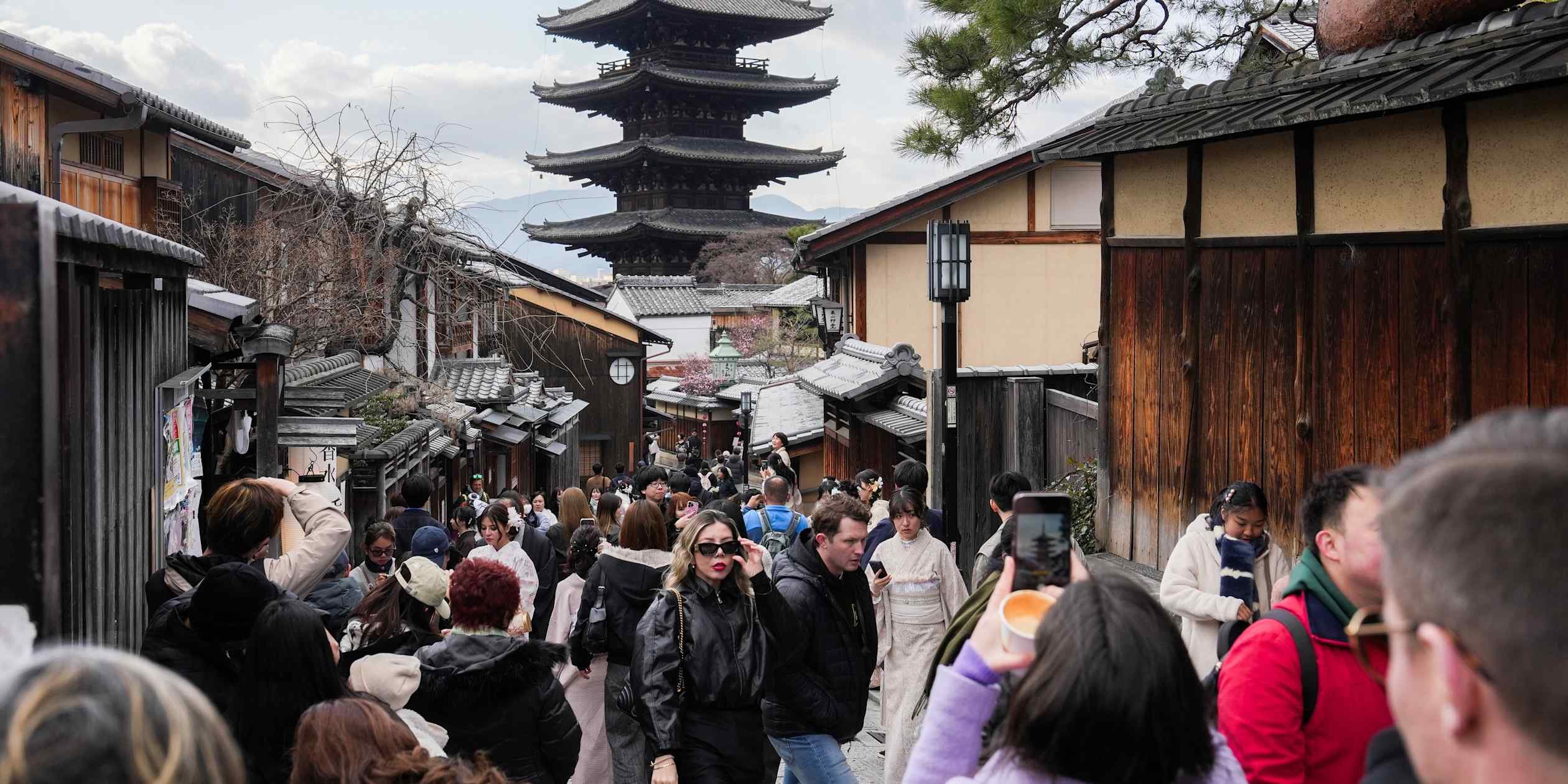 On a rainy March morning, a line of travelers stretched from the Shinkansen platforms of Kyoto Station onto the main concourse, forcing commuters to navigate around suitcases and delayed announcements. The scene was not a rare holiday rush but a routine weekday, and it quickly became a visual metaphor for the growing pains of Japan’s tourism sector.
Market context: Numbers behind the queue
- Inbound arrivals: The Japan National Tourism Organization (JNTO) reported 4.8 million foreign visitors in March 2026, a 3.5 % rise from February and the highest monthly total since the pandemic began. Year‑to‑date, arrivals are up 12 % compared with the same period in 2025.
- Regional concentration: Over 70 % of those visitors landed in the Kansai and Kanto corridors, with Kyoto, Osaka and Tokyo accounting for roughly 45 % of total nights stayed, according to the Ministry of Land, Infrastructure, Transport and Tourism (MLIT).
- Infrastructure strain: Kyoto Station processes an average of 120,000 passengers per day. Peak hour traffic now exceeds design capacity by 18 %, according to a recent MLIT audit.
- Spending patterns: Average spend per visitor in Kyoto remains the highest among Japanese cities at ¥22,000 ($150) per day, driven by heritage tourism and high‑end retail, widening the revenue gap between popular hubs and peripheral prefectures.
Why the bottleneck matters
1. Aging transport hubs
Japan’s rail network is world‑class, yet many stations built in the 1960s‑80s lack the passenger‑flow flexibility required for today’s volumes. The Kyoto bottleneck was caused by a combination of limited egress points, outdated ticket‑gate software, and a shortage of staff to direct crowds during peak arrivals from Osaka and Nagoya.
2. Uneven regional capacity
The concentration of tourists in a handful of historic cities inflates local congestion while neighboring regions—such as Shikoku and the Tohoku corridor—remain under‑utilised despite government incentives. This imbalance hampers the “tourism spill‑over” effect that policymakers have been courting since the 2023 Tourism Revitalisation Act.
3. Policy lag in visitor management
Japan’s visa‑free entry for 150+ nationalities, introduced in 2024, succeeded in boosting arrivals but outpaced the rollout of real‑time crowd‑monitoring tools. Unlike Singapore’s integrated “Tourist Flow Dashboard,” Japan still relies on manual counts and periodic surveys, limiting the ability to pre‑empt bottlenecks.
4. Economic implications
Every minute of passenger delay translates into lost retail sales and higher operational costs for rail operators. A study by the Japan Institute of Transport Economics estimated that a 5‑minute average delay across 120,000 daily passengers could shave ¥1.2 billion ($10 million) from ancillary revenue each month.
Strategic implications for stakeholders
| Stakeholder | Immediate actions | Medium‑term strategy |
|---|---|---|
| Rail operators (JR West, JR Central) | Deploy temporary staff at high‑traffic exits; upgrade ticket‑gate firmware to support faster e‑ticket scanning. | Invest in additional egress corridors and AI‑driven passenger‑flow analytics. |
| National and local governments | Expand the “Tourist Flow Dashboard” pilot to include Kyoto, Osaka and Nagoya; fund rapid‑deployment of digital signage for crowd guidance. | Re‑balance tourism incentives to promote secondary destinations, coupled with transport subsidies for inter‑regional rail passes. |
| Hospitality and retail | Adjust staffing schedules to align with peak arrival windows; offer “express checkout” services for tourists exiting the station. | Co‑create bundled travel‑retail experiences that encourage visitors to spend time outside congested city cores. |
| Technology providers | Offer low‑cost, off‑the‑shelf people‑count sensors and edge‑AI platforms that can be installed without major civil works. | Develop an open‑API ecosystem for real‑time data sharing between rail operators, tourism boards and private merchants. |
What it means for Japan’s tourism outlook
The Kyoto incident is a warning sign rather than an isolated glitch. If the country continues to rely on a handful of legacy stations to absorb a growing tide of high‑spending visitors, the risk of service degradation and negative visitor sentiment rises sharply. A 2025 survey by the Japan Tourism Agency found that 38 % of foreign travelers who experienced a “crowding inconvenience” rated their overall trip satisfaction as “below expectations.”
To sustain the current growth trajectory—projected to reach 45 million inbound tourists by 2028—the industry must adopt a two‑pronged approach: infrastructure modernization and visitor distribution. Upgrading station egress capacity, integrating AI‑driven crowd analytics, and expanding digital wayfinding will alleviate immediate pressure points. Simultaneously, policy tools such as tiered tax incentives for hotels in less‑visited prefectures, combined with marketing campaigns that showcase alternative heritage routes (e.g., the Noto Peninsula or the historic towns of the San’in Coast), can spread demand more evenly.
In short, the queue at Kyoto Station is less a curiosity and more a data point that underscores the urgency of coordinated action. Stakeholders who move quickly to modernize transport hubs and rebalance tourist flows will capture the lion’s share of future spending, while those that wait risk turning Japan’s famed hospitality into a logistical bottleneck.
Comments
Please log in or register to join the discussion