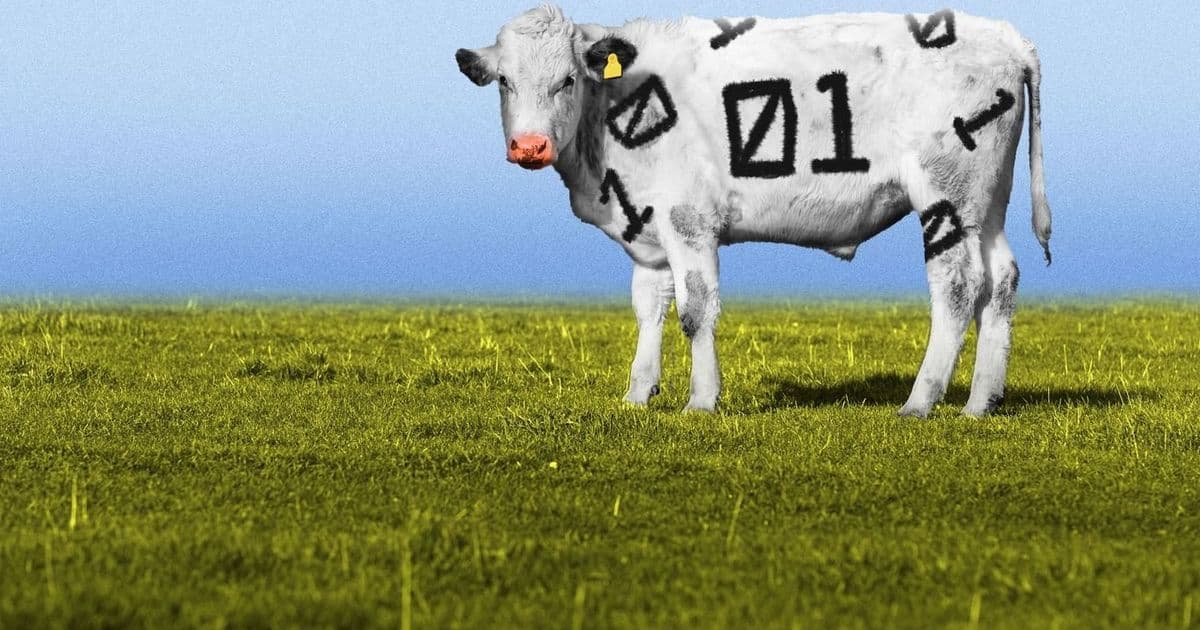
Artificial intelligence is revolutionizing cattle ranching operations across the American West through sensor networks, predictive analytics, and autonomous equipment - reducing costs by up to 30% while addressing critical labor shortages.
The iconic image of cowboys herding cattle across western landscapes is undergoing a technological transformation as artificial intelligence penetrates the $67 billion U.S. beef cattle industry. Major ranching operations from Texas to Montana are deploying AI systems that promise to optimize operations while confronting persistent labor shortages and rising operational costs.
Leading this shift are integrated sensor networks that monitor cattle health in real-time. Systems like CattleEye use overhead cameras and computer vision to track animal movement patterns, flagging potential health issues up to 48 hours before visible symptoms appear. This early intervention capability has demonstrated a 15-20% reduction in veterinary costs according to Wyoming ranches piloting the technology.
Meanwhile, autonomous vehicles are replacing traditional herding methods. Companies like Stout Industrial Technology have developed self-driving electric vehicles that navigate pastures using GPS and LiDAR, reducing labor requirements by approximately 40%. These vehicles monitor fence integrity, distribute feed, and gather cattle with minimal human supervision.
The financial impact is significant: Early adopters report 25-30% reductions in operational expenses. With labor comprising nearly 60% of traditional ranching costs and worker shortages worsening (the USDA reports a 27% decline in agricultural labor since 2018), automation becomes increasingly economically viable. Colorado's Double R Ranch documented $180,000 annual savings after implementing predictive feeding systems that optimize nutrition schedules based on weather patterns and grass quality analysis.
Market dynamics accelerate adoption as beef demand grows. Global consumption is projected to increase 12% by 2030 according to FAO data, while climate pressures make traditional methods less reliable. AI-powered water monitoring systems like Lindsay Corporation's FieldNET help ranchers reduce water usage by up to 25% during droughts - critical in western states where 87% of land experienced drought conditions in 2023.
Strategic implications extend beyond individual ranches:
- Tech partnerships: John Deere recently acquired herd management startup Bear Flag Robotics for $250 million, signaling major equipment makers' entry into ranching AI
- Data valuation: Herd health analytics become proprietary assets, with operations like King Ranch licensing data to pharmaceutical companies
- Skills shift: Demand grows for "agri-tech" specialists combining livestock knowledge with data science - Texas A&M now offers ranching operations technology degrees
- Supply chain integration: Real-time inventory tracking enables direct partnerships with processors like Tyson Foods, shortening fulfillment time by 3-5 days
Despite upfront costs averaging $150,000-$400,000 for full AI integration, ROI timelines have compressed to 18-24 months. The USDA's new Precision Livestock Farming grants further accelerate deployment. As Montana rancher Sarah Dawson notes: "We're not replacing cowboys - we're giving them satellite-connected lassos. The next generation won't ask if you use AI, but which platform you've standardized on."
The transformation extends beyond economics. AI enables ranchers to monitor methane emissions per herd, creating verifiable sustainability metrics demanded by export markets and ESG investors. With 65% of U.S. cattle now raised on operations utilizing some AI components according to CattleTrace data, the western ranch's technological makeover represents agriculture's next productivity frontier.
Comments
Please log in or register to join the discussion