
Charlottesville has deployed AI-powered license plate recognition in downtown parking garages, eliminating physical tickets for streamlined access. While promising reduced wait times, the system collects extensive data—including biometrics—with indefinite retention policies. This shift spotlights the tension between urban convenience and personal privacy in smart city infrastructure.
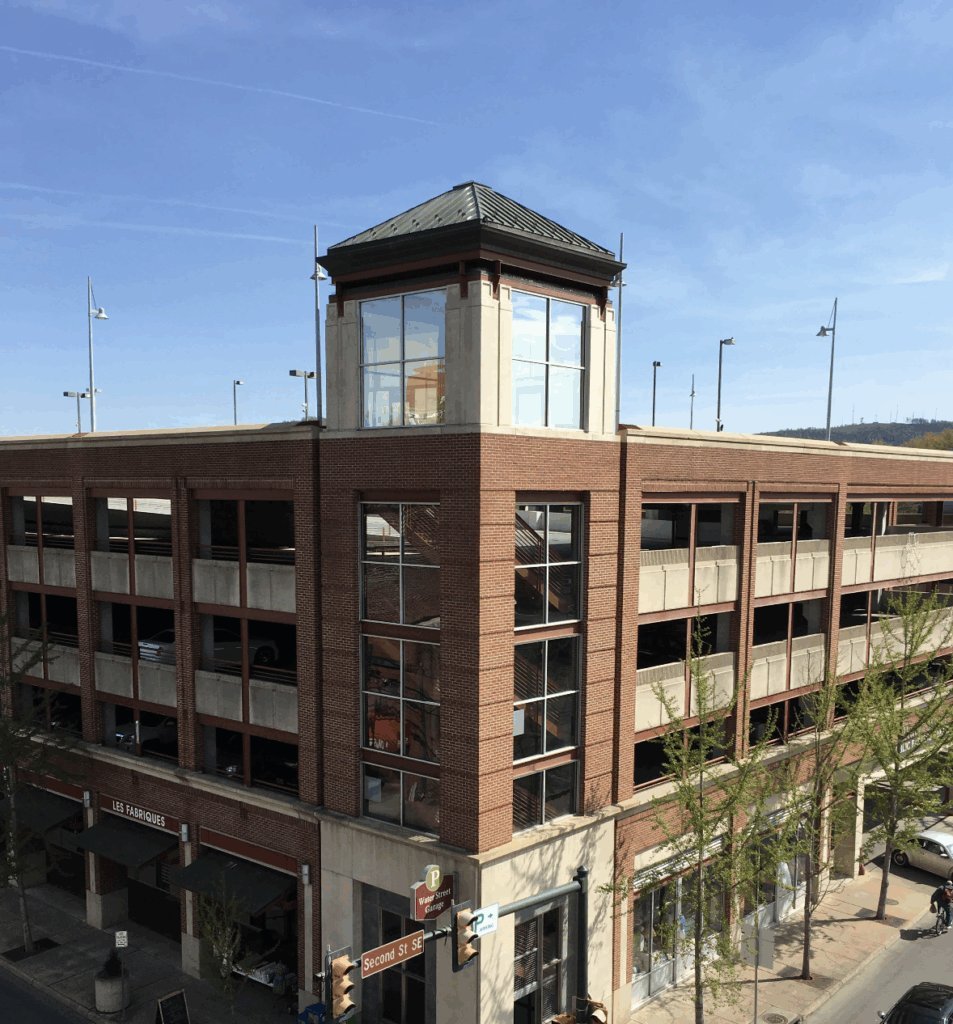
Charlottesville’s downtown parking experience transformed overnight as the city replaced aging ticket-based systems with AI-driven license plate recognition. Starting December 16, drivers entering Market Street or Water Street garages no longer receive paper receipts. Instead, they scan a QR code, input their license plate number and phone, and register a payment method. California-based Metropolis Technologies, which operates both facilities, then automatically charges accounts upon exit—a system the city claims reduces equipment failures and queue times.
“With the new system, residents and visitors will be able to enjoy an easy experience where their vehicle becomes their parking pass,” stated a city announcement, highlighting the elimination of physical interactions. First-hour-free policies and business validation QR codes remain unchanged.
Behind the convenience lies aggressive data harvesting. Metropolis’ privacy policy discloses collection of vehicle details, device fingerprints, passenger biometrics, and behavioral patterns. Critically, it retains this data indefinitely for undisclosed "business needs" and reserves the right to sell it to advertisers. The company—fresh from securing $1.6 billion in financing—frames this as part of its "Recognition Economy" vision, where infrastructure "knows you, moves with you, and predicts your needs."
City Communications Director Afton Schneider cited malfunctioning pay stations as the impetus for adoption but acknowledged no alternatives exist for privacy-conscious drivers: “We offer [around] 1,000 free parking spots... No one is required to use our parking garages.” With Charlottesville paying over $1.8 million annually to rent one garage alone, the dependency on such revenue streams complicates opt-out feasibility.
As municipalities increasingly partner with AI operators to modernize services, Charlottesville’s rollout underscores a stark trade-off: frictionless urban mobility enabled by pervasive surveillance. The absence of data deletion mechanisms or anonymized options sets a precedent other cities may follow—quietly transforming parking garages into biometric data mines.
Source: c-ville.com
Comments
Please log in or register to join the discussion