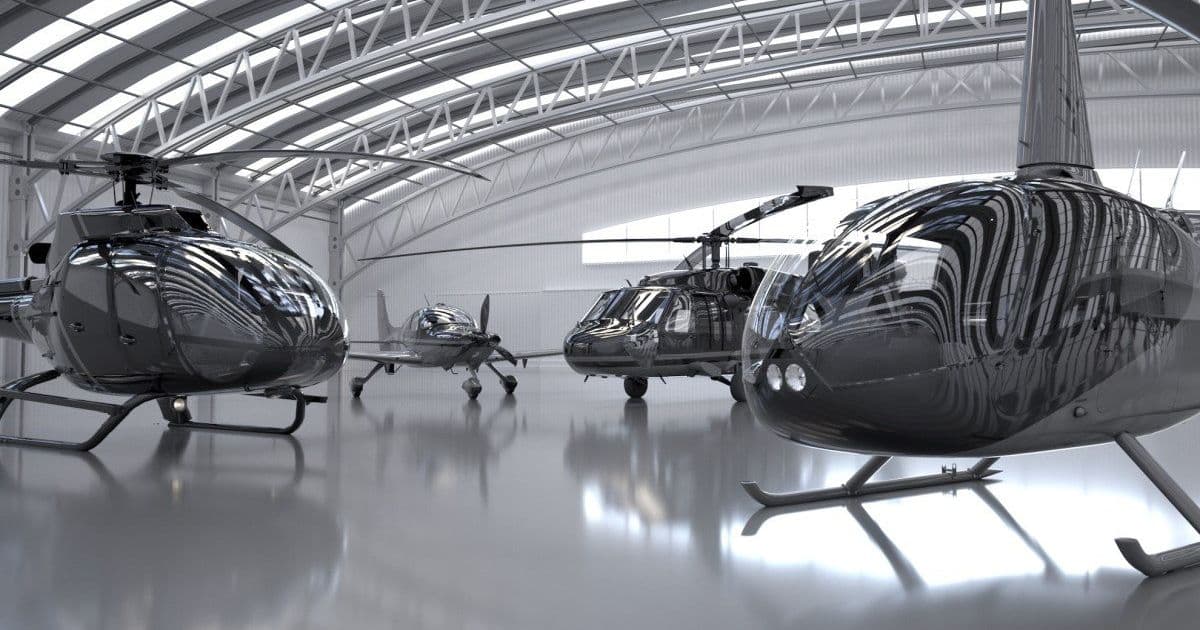
Aviation automation startup Skyryse secured over $300 million in Series C funding at a $1.15 billion valuation to deploy its SkyOS flight automation system across military helicopters like the Black Hawk and commercial aircraft.
The race to automate flight operations is accelerating as Skyryse, an El Segundo-based aviation technology company, announced a $300+ million Series C funding round at a $1.15 billion valuation. This substantial investment fuels Skyryse's ambitious plan to integrate its proprietary flight automation operating system, SkyOS, into military helicopters including the UH-60 Black Hawk, alongside broader civilian aircraft applications.
SkyOS functions as a comprehensive flight control system designed to automate complex aviation tasks ranging from takeoff to landing. The platform integrates with existing aircraft systems through hardware retrofits, creating what Skyryse describes as a "digital autopilot." By abstracting aircraft-specific controls into a unified software layer, SkyOS aims to enable consistent flight operations across different helicopter models while reducing pilot workload. The technology includes automated emergency procedures, terrain avoidance systems, and simplified navigation interfaces accessible via touchscreen controls.
Military applications appear central to Skyryse's strategy. The Black Hawk integration suggests targeting military contracts where automation could enhance mission capabilities in contested environments. Commercial prospects include regional air mobility services and emergency medical transport, where SkyOS could lower operational costs and address pilot shortages. Industry analysts note that successful certification for Black Hawks would represent a significant validation milestone, though the path involves rigorous testing with agencies like the FAA and Department of Defense.
Counterarguments emerge from aviation safety experts who question the maturity of fully automated flight systems. "Automation in complex environments like low-altitude helicopter operations introduces failure modes we haven't fully mapped," notes Dr. Elena Rostova, an aerospace safety researcher at MIT. Reliability concerns are compounded by cybersecurity vulnerabilities inherent in connected aircraft systems, particularly for military deployments where electronic warfare threats exist.
Competitive pressure also mounts as established players like Boeing's Aurora Flight Sciences and startups like Xwing advance autonomous flight technologies. Skyryse differentiates by focusing specifically on retrofitting existing fleets rather than building new aircraft—a potentially faster route to market adoption. The funding round, among the largest in aviation automation history, suggests investor confidence in this approach despite regulatory and technical hurdles.
Skyryse's trajectory reflects broader momentum toward automated air transport, though operational realities may temper expectations. The company must now demonstrate that SkyOS can deliver on its safety claims while navigating certification processes that often move slower than venture capital timelines. With military partnerships potentially accelerating deployment, Skyryse's progress will serve as a critical indicator for the viability of retrofit automation in high-stakes aviation environments.
Comments
Please log in or register to join the discussion