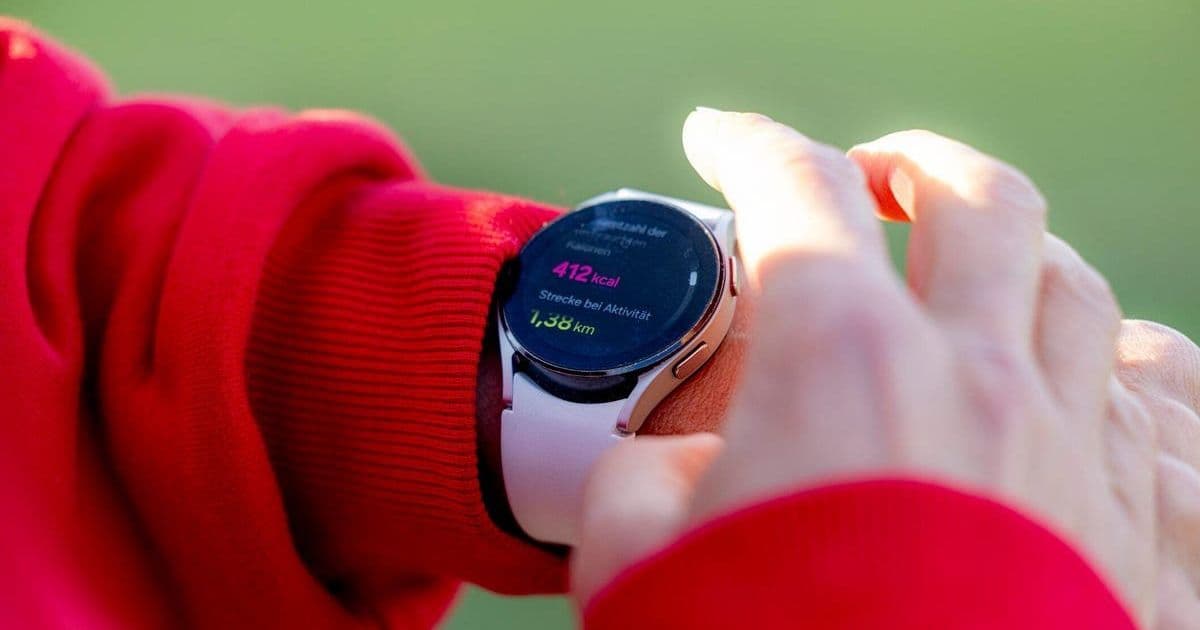
The AI wearable market is projected to surge 10x to $304.8 billion by 2033, driven by healthcare innovations that transform reactive health monitoring into proactive wellness partnerships. Devices from Apple, Oura, and Google now integrate lab-grade blood testing and personalized AI coaching, reflecting a fundamental shift in how consumers approach long-term wellbeing.
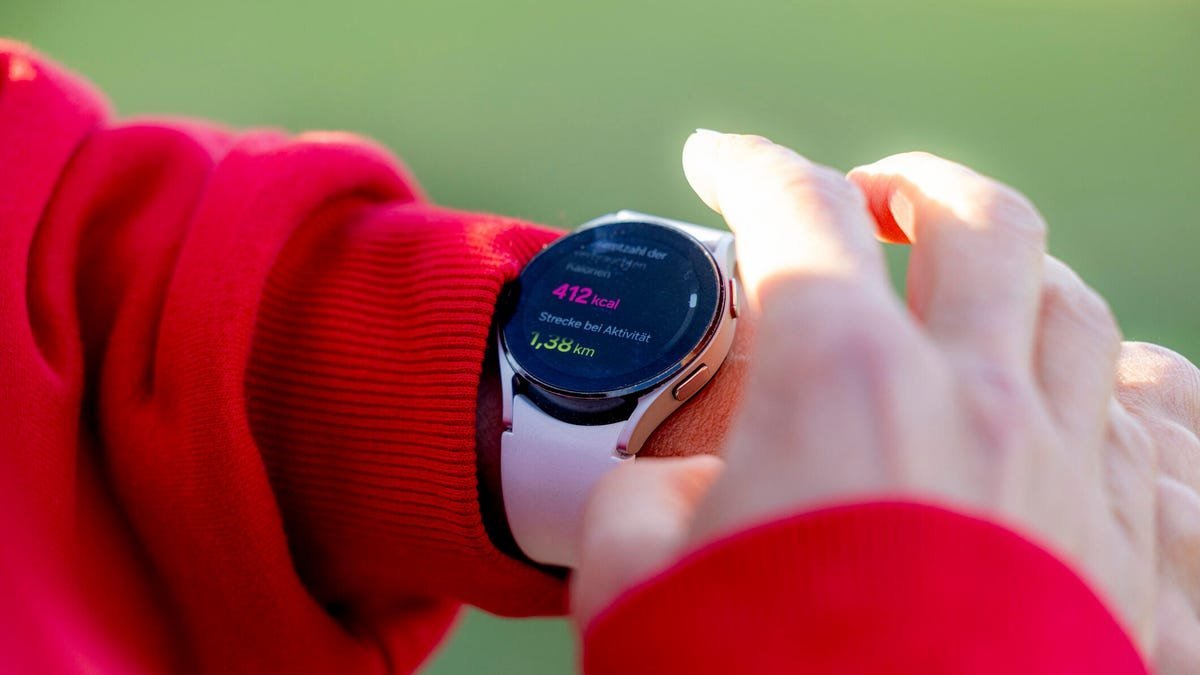
Fueled by advances in sensor technology and machine learning algorithms, the AI wearable market is transitioning from niche gadgets to essential health companions, with spending projected to explode from $31.2 billion in 2023 to $304.8 billion by 2033 according to ElectroIQ research. This 10x growth signals more than just market expansion—it represents a fundamental reimagining of how consumers engage with personal health data.
"These devices are no longer considered gadgets but indispensable companions for health, fitness, and smart assistance," states ElectroIQ analyst Priya Bhalla. "2025 marks the inflection point where AI wearables become mainstream health infrastructure."
Healthcare applications are driving adoption, with leading devices like the Oura Ring, Whoop strap, and Google's redesigned Fitbit leveraging AI for functions that were previously clinical exclusives:
- Personalized health ecosystems: AI synthesizes sleep patterns, activity data, and physiological signals to generate customized workout and recovery plans
- Lab-integrated diagnostics: Partnerships with testing facilities enable blood analysis through wearables, with AI interpreting results and providing actionable insights
- Predictive wellness: Algorithms identify subtle biometric patterns that signal emerging health issues before symptoms manifest
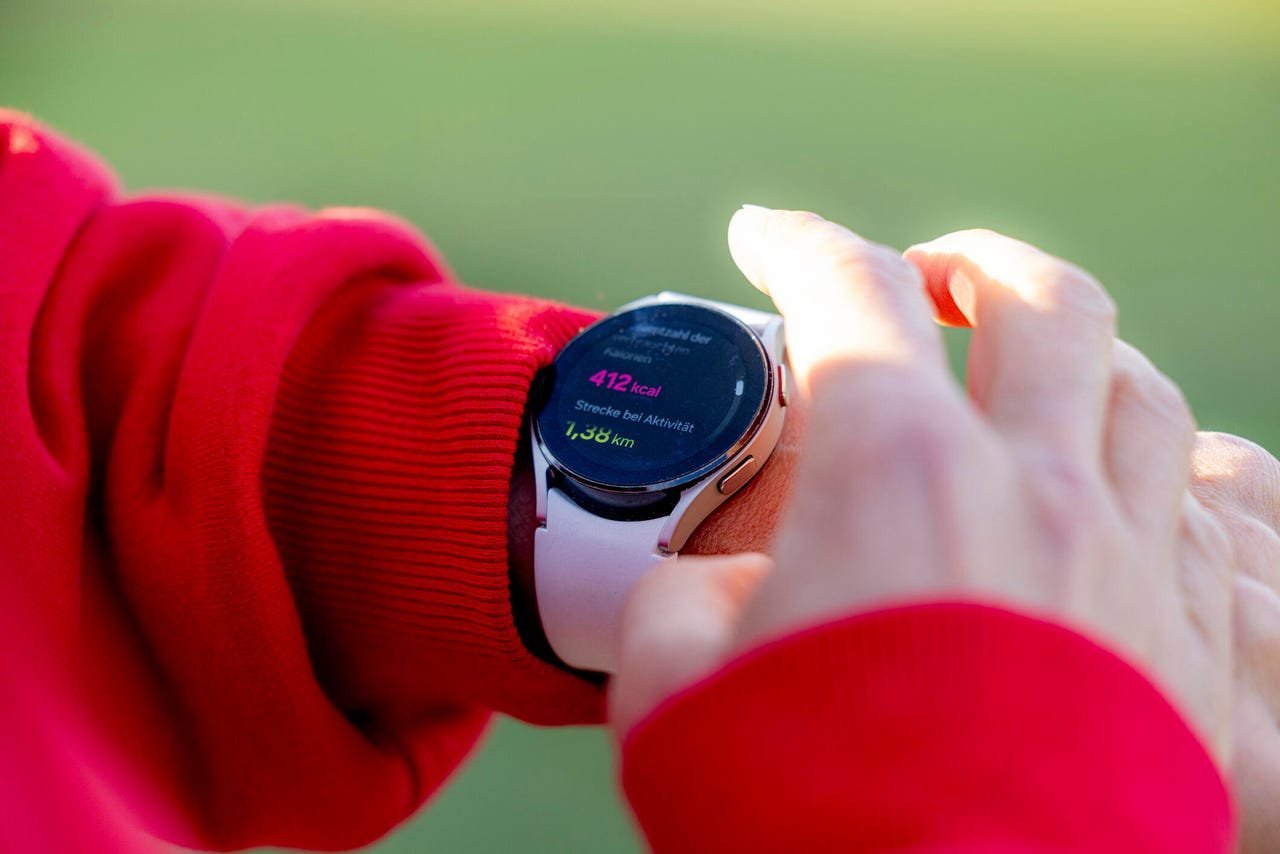 Smartwatches and rings now incorporate clinical-grade sensors and AI analysis (Credit: EMS-FORSTER-PRODUCTIONS/DigitalVision/Getty Images)
This technological evolution accompanies a profound cultural shift. A Merge survey of 1,800 consumers reveals that 58% now use doctor-prescribed health tech, while 50% adopted wearables after pivotal life events like aging or family health crises. Researchers note a transition from reactive "sick care" to proactive wellness stewardship, with wearables enabling continuous health optimization rather than episodic intervention.
For developers, the implications are significant. The surge demands:
- Robust data pipelines to handle continuous biometric streams
- Privacy-by-design architectures for sensitive health data
- Cross-disciplinary collaboration between clinical experts and ML engineers
As wearables evolve from step counters to AI-powered health guardians, they're redefining the very notion of preventive care—placing laboratory-grade insights and personalized coaching on millions of wrists worldwide. The next frontier? Seamless integration with electronic health records and clinical systems, potentially making continuous remote monitoring the foundation of modern healthcare.
Comments
Please log in or register to join the discussion