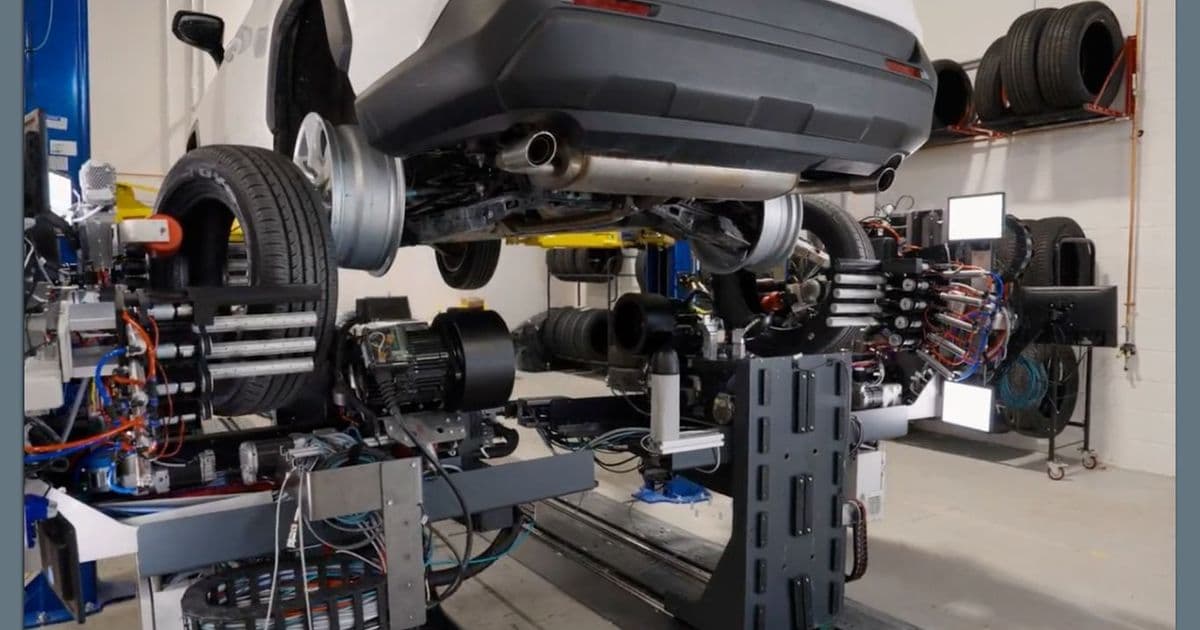
Automated Tire's Smart Bay technology slashes tire service time while improving precision, potentially disrupting the $40 billion automotive service industry through AI-powered automation.
Automated Tire has unveiled its Smart Bay, an AI-powered robotic platform that can change a vehicle's tires in half the time of traditional methods, representing a significant advancement in automotive service automation. The technology combines computer vision, robotic arms, and machine learning algorithms to perform tire rotations, balancing, and mounting with unprecedented speed and accuracy.
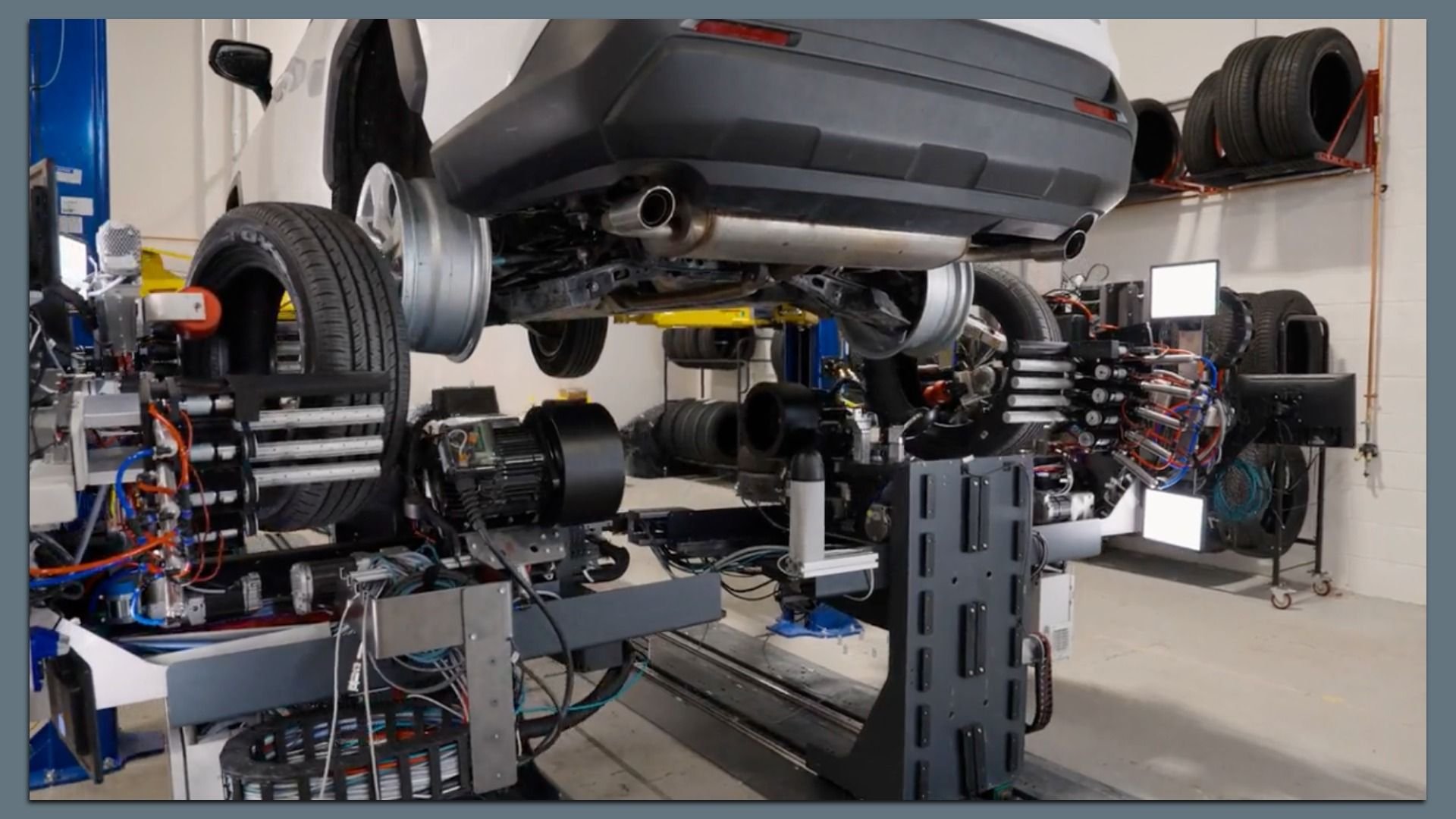
The Smart Bay system processes approximately 40% more vehicles per day compared to conventional tire service bays, according to Automated Tire's internal testing. This efficiency gain translates to potential revenue increases of 25-35% for service centers implementing the technology, based on industry analysis from Frost & Sullivan.
"The automotive aftermarket has seen minimal technological disruption over the past three decades," said Michael Chen, CEO of Automated Tire. "Our Smart Bay addresses both the labor shortage affecting service centers and the consumer demand for faster, more precise maintenance."
The tire service industry generates approximately $40 billion annually in the United States alone, with over 30,000 independent service centers and 15,000 dealership service departments. Labor costs constitute 45-60% of operating expenses for these businesses, making automation an attractive proposition despite the initial investment.
Smart Bay operates through a multi-step process: vehicle identification via VIN scanning, wheel position mapping, automated lug nut removal, tire dismounting, mounting, balancing, and reinstallation. The system's AI algorithms continuously improve through machine learning, with each service iteration refining its techniques.
The technology integrates with existing inventory management systems and service scheduling platforms, allowing for seamless adoption by service centers. Implementation costs range from $150,000 to $250,000 per bay, with ROI typically achieved within 18-24 months based on increased throughput and reduced labor requirements.
Market analysts project that automated tire services could capture 15-20% of the market within five years, potentially growing into a $8-10 billion segment. Traditional equipment manufacturers like Hunter Engineering and Bendix have begun developing competing systems, though none currently match Smart Bay's processing speed.
Consumer benefits include reduced wait times, consistent quality across service providers, and detailed digital records of tire maintenance. The system also enhances safety by eliminating human error in torque specifications and balancing precision.
Automated Tire has secured partnerships with 120 service centers across 15 states, with plans to expand to 500 locations by 2025. The company has raised $85 million in venture funding, with recent investments coming from automotive technology venture capital firm Autotech Ventures and strategic partner Goodyear Tire & Rubber Company.
"This represents a fundamental shift in how consumers think about routine maintenance," said Sarah Jenkins, automotive retail analyst at McKinsey & Company. "When tire changes become a 15-minute rather than 30-minute service, it changes consumer expectations and service center economics."
The technology faces challenges in adapting to specialty vehicles, such as those with unique wheel configurations or oversized tires. Automated Tire's roadmap includes expansion capabilities for commercial fleet vehicles and electric vehicles with different weight distributions and tire requirements.
For service centers adopting Smart Bay, workforce transformation becomes necessary. While entry-level positions may decrease, technicians are reskilled to oversee multiple robotic systems and handle complex diagnostics that cannot be automated.
As automotive technology advances with electric vehicles and autonomous driving on the horizon, tire maintenance remains one of the few physical services still required. Automated Tire's innovation positions the company at the intersection of traditional automotive services and emerging AI automation trends.
The Smart Bay technology is currently available through a combination of outright purchase and revenue-sharing models, making it accessible to both large service chains and independent operators. The company plans to expand internationally within the next 18 months, targeting markets in Europe and Asia where labor costs are higher and service expectations are increasing.
Comments
Please log in or register to join the discussion