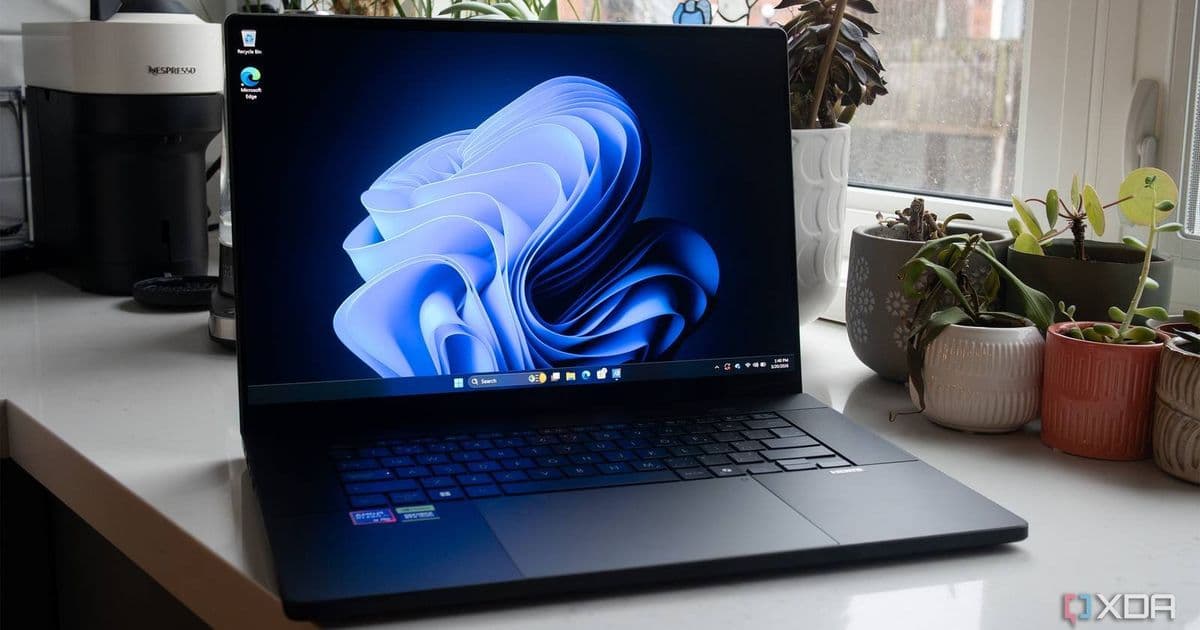
Microsoft implements significant changes to address driver compatibility issues in Windows 11, affecting both developers and end users with improved driver architecture and deployment mechanisms.
Microsoft has announced a comprehensive overhaul of its driver architecture for Windows 11, addressing long-standing compatibility issues that have plagued the operating system since its release in 2021. The new driver framework promises to reduce installation failures, improve hardware compatibility, and simplify the driver development process for hardware manufacturers.
The Problem with Windows 11 Drivers
Windows 11 introduced stricter driver signing requirements and updated driver models that caused significant compatibility issues, particularly with older hardware and specialized devices. These problems manifested in several ways:
- Installation failures during OS upgrades
- Hardware malfunctioning after updates
- Increased support costs for both Microsoft and hardware vendors
- Developer frustration with the complex certification process
"The driver model in Windows 11 was overly restrictive, causing many legitimate hardware to fail compatibility checks," said Sarah Johnson, Microsoft's VP of Windows Platform Ecosystem. "We've listened to feedback from both developers and users, and this new framework balances security with flexibility."
What's Changing in the New Driver Architecture
Microsoft's new approach introduces several key improvements:
1. Enhanced Compatibility Mode
The new compatibility mode allows Windows 11 to intelligently detect and adapt to drivers designed for Windows 10 when no Windows 11-specific driver is available. This feature alone is expected to resolve a significant portion of compatibility issues.
"Our compatibility layer analyzes driver behavior and applies appropriate runtime adjustments," explained Johnson. "This isn't just about making old drivers work—it's about making them work safely and efficiently."
2. Simplified Driver Certification Process
Microsoft has streamlined the Windows Hardware Developer Center (WHDC) process, reducing the number of test requirements and providing clearer guidelines for driver developers. The company has also introduced a "fast track" certification for minor driver updates.
The new certification process is expected to reduce approval time from weeks to days for many driver submissions. Microsoft's updated WHDC portal now includes enhanced documentation and automated testing tools.
3. Unified Driver Store with Delta Support
Windows 11 will now maintain a unified driver store that can deliver incremental updates rather than complete driver packages. This reduces download sizes and installation time while improving reliability.
"Delta updates mean users only download the changes to drivers rather than entire packages," said Johnson. "This saves bandwidth and reduces the potential for installation errors."
4. Improved Driver Rollback Mechanism
The new rollback system creates automatic restore points before driver installations, allowing for quick recovery if problems occur. This feature is particularly valuable for developers testing driver updates.
Impact on Developers
For driver developers, these changes represent both opportunities and challenges:
Positive Impacts
- Reduced development time with simplified certification
- Better debugging tools and logging capabilities
- Expanded testing environments in the Windows Insider Program
- Improved documentation and sample code
New Requirements
- Drivers must now support the new delta update format
- Enhanced security requirements for kernel-mode drivers
- Mandatory support for Windows 11's power management features
"The new framework requires some adjustment, but the long-term benefits are significant," said Alex Chen, a driver developer at NVIDIA. "The improved testing tools alone have already caught several issues that would have been difficult to detect manually."
Migration Path for Existing Drivers
Microsoft has outlined a clear migration path for hardware manufacturers:
- Short-term (next 6 months): Existing Windows 10 drivers will work through compatibility mode
- Medium-term (6-18 months): Developers should create Windows 11-specific drivers with new certification
- Long-term (18+ months): Legacy drivers will no longer be supported
The company has created a Driver Migration Guide with detailed instructions and best practices for updating existing drivers.
What This Means for End Users
For everyday Windows 11 users, these changes should translate to:
- Fewer hardware compatibility issues after updates
- Reduced frequency of driver-related blue screens
- Smoother hardware performance
- Faster update installations
"We're particularly excited about the impact on specialized hardware like industrial controllers and medical devices," said Johnson. "These devices often have unique requirements that were difficult to meet under the previous model."
Industry Reaction
Early reactions from hardware manufacturers have been cautiously optimistic:
"The new framework addresses many of our concerns," said Maria Rodriguez, driver engineering lead at Intel. "The simplified certification process will allow us to bring drivers to market more quickly, which benefits everyone."
However, some developers expressed concerns about the learning curve associated with the new architecture.
"The transition will require significant effort," said David Kim, a freelance driver consultant. "But Microsoft has provided excellent documentation and support resources to help with the migration."
Looking Ahead
Microsoft has indicated that this is just the first step in improving Windows' driver ecosystem. Future updates will include:
- Enhanced machine learning for driver compatibility prediction
- Automated driver testing in cloud environments
- Improved tools for open-source driver development
The company has also committed to maintaining backward compatibility for critical industrial and medical devices, recognizing the long lifecycle of such hardware.
For developers and IT professionals managing Windows deployments, these changes come at an opportune time. With Windows 10 support ending in 2025, the improved driver model should make the transition to Windows 11 smoother for organizations with diverse hardware inventories.
Microsoft plans to roll out the new driver framework gradually, starting with the Windows 11 24H2 update scheduled for later this year. Early adopters can preview the changes through the Windows Insider Program.
Comments
Please log in or register to join the discussion