
Language models excel at code generation, creating a powerful incentive to recast diverse tasks into programmable formats. Drawing parallels to olive harvesters that transformed global oil flavors by favoring specific tree varieties, this shift promises efficiency gains but risks homogenizing industries. Developers and tech leaders must navigate this 'melting into code' trend reshaping education, healthcare, and beyond.
AI's Code Obsession: How Language Models Are Reshaping Work by Melting Reality into Software
In 2025, the trajectory of artificial intelligence has bent sharply toward software development, a domain where language models shine. Once an unremarkable pain point, coding has become a showcase for AI's prowess, thanks to models' natural aptitude for formal verification and broad applicability. This synergy, as noted in a recent essay by Robin Sloan, is accelerating a profound shift: more aspects of work are being "melted into code."

Sloan, known for his insights into technology's cultural impacts, argues that AI's code affinity creates 'very strong' incentives for reformulating tasks into software. Unlike previous digitization efforts that struggled to fit human processes into rigid schemas, today's models handle symbolic 'mess'—streams of tokens—far more fluidly, especially when leveraged through code. "Language models do prefer their mess to be symbolic—a stream of tokens—and they do handle it better when they are granted the leverage of code," Sloan writes.
The Olive Harvester Analogy: Automation's Zippered Relationships
To illustrate, Sloan draws a striking parallel to the Oxbo 6430 olive harvester. 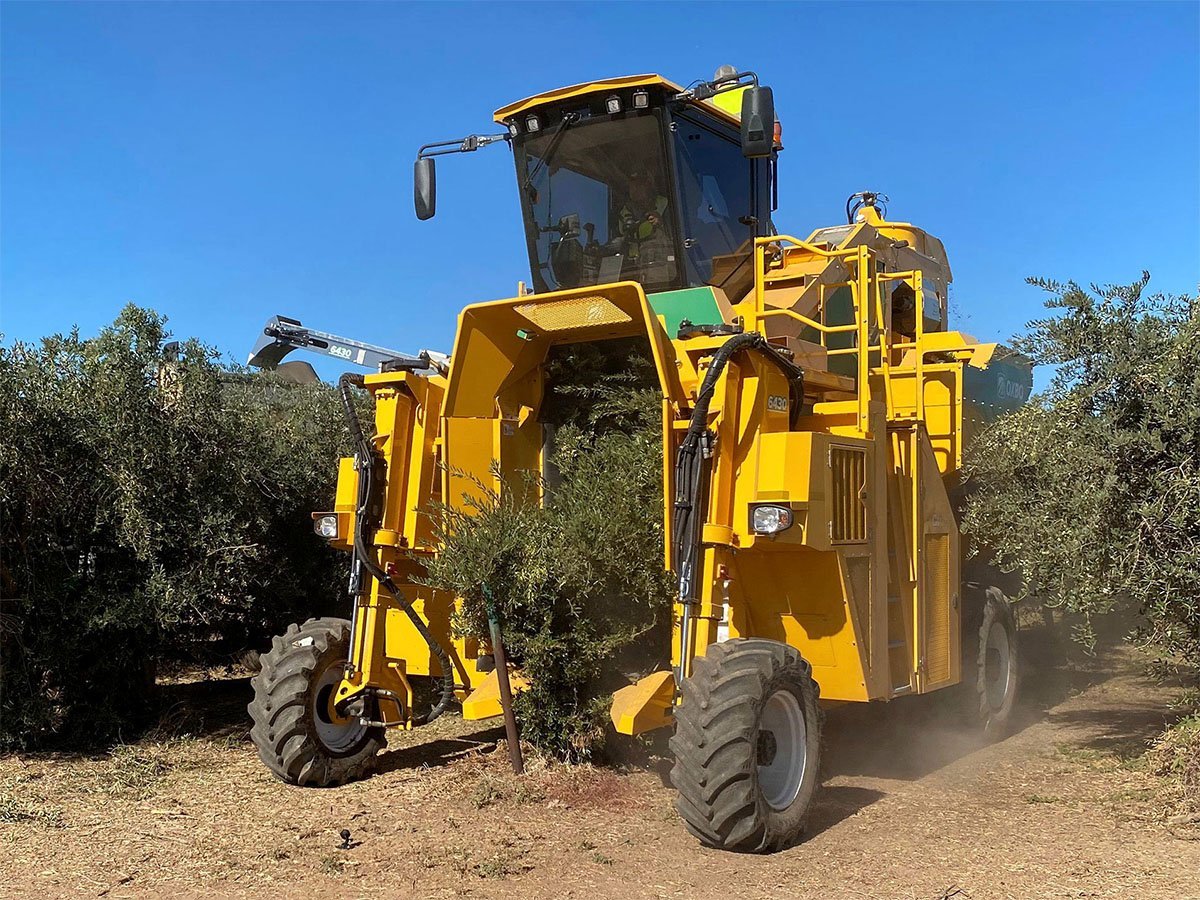 This over-the-row machine revolutionized medium-scale olive oil production by requiring trees planted in super high-density rows, like continuous hedges. While machine-harvested olives are cheaper and arrive at mills in better condition, only a handful of varieties tolerate such close spacing. Consequently, these varieties have proliferated, subtly altering the global flavor profile of olive oil.
Automation never meets a task in the world and simply does it. There’s always negotiation—the invention of some new zippered relationship.
This 'negotiation' mirrors how AI will transform 'cuspy' work in education, healthcare, and government. Tasks amenable to coding will face intense pressure to adapt, birthing companies specialized in this translation. Developers, already at home in this symbolic realm, may see their roles expand as they enable this broader codification.
Implications for Developers and Tech Leaders
For software engineers, this trend amplifies AI's role as a coding accelerator. Open-source culture, providing vast training data, has supercharged models' logical capabilities, enhancing their performance on code's 'if-then' structures and, by extension, language entailment. Yet Sloan's prediction paints a paradoxical future: organic AI tech pulls human activity deeper into code's domain, rather than liberating us from it.
The majority of valuable work—like manual olive picking—resists full codification, but 'plenty is on the cusp.' Tech leaders must weigh efficiency against homogenization risks, akin to olive oil's flavor shift. As Sloan foresees, late-2020s jobs may center on "Translate your work into code. Translate yourself, while you’re at it."
This evolution underscores AI's strange cause-and-effect: without abundant open-source code, models might excel elsewhere—or nowhere. Developers stand at the vanguard, shaping whether this 'melting' fosters innovation or entrenches new rigidities.
Comments
Please log in or register to join the discussion