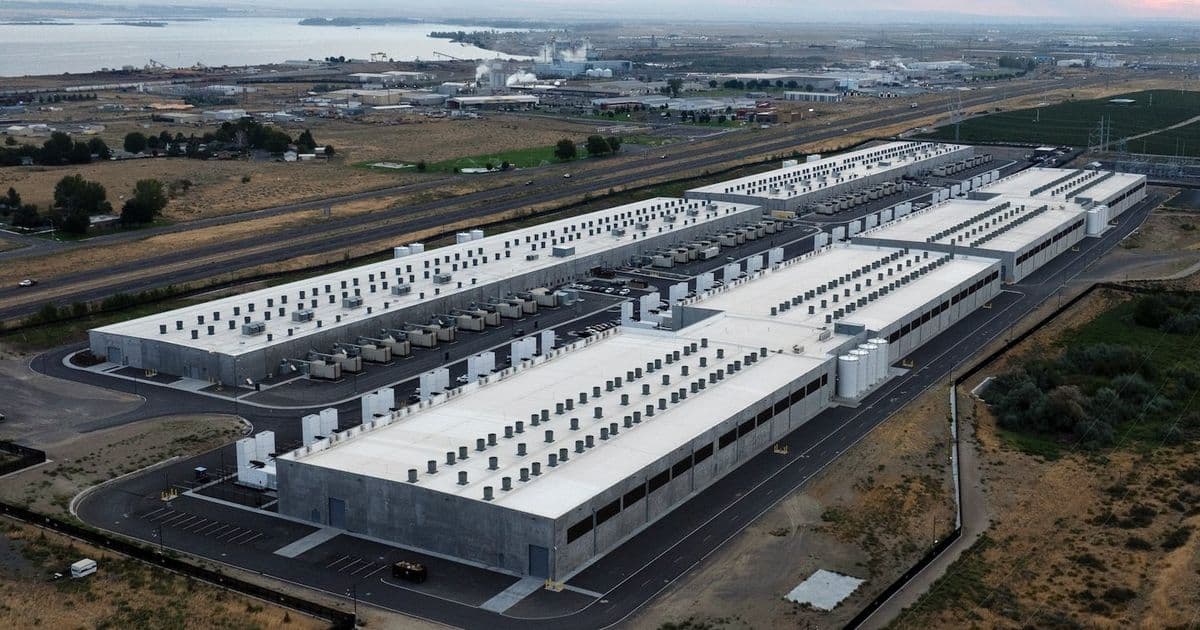
Massive AI investments by tech giants are causing ripple effects across industries, from construction delays to smartphone price hikes, as critical resources get diverted to power the AI boom.
The AI gold rush is creating unexpected shortages across multiple industries, as tech giants pour unprecedented resources into artificial intelligence development at the expense of other sectors.
The Construction Crunch
Electricians and construction workers are becoming increasingly scarce as tech companies compete for talent and resources. Major AI data center projects are consuming vast amounts of construction materials and skilled labor, leaving traditional building projects in limbo. Some construction companies report having to delay or cancel projects due to material shortages and workforce constraints.
Smartphone Price Surge
Consumers should brace for higher smartphone prices in the coming years. The semiconductor shortage that began during the pandemic has been exacerbated by AI chip demand. Companies like NVIDIA, AMD, and Intel are prioritizing AI-specific processors, leaving fewer resources for consumer electronics. Industry analysts predict this could lead to sustained price increases for smartphones and other consumer devices.
Innovation Starvation
Promising technologies in fields like renewable energy, biotechnology, and advanced materials are struggling to secure funding as venture capital and corporate investment dollars flow overwhelmingly toward AI startups. This resource reallocation could slow progress in areas that might have more immediate practical benefits for society.
The Resource Competition
The AI boom is creating a zero-sum game for critical resources:
- Electrical infrastructure: AI data centers require massive power capacity, straining local grids and competing with residential and commercial needs
- Water resources: Cooling massive AI server farms consumes enormous amounts of water, creating conflicts in drought-prone regions
- Skilled labor: AI engineers command premium salaries, drawing talent away from other technical fields
- Manufacturing capacity: Semiconductor foundries prioritize AI chip production over other chip types
Industry Response
Some companies are attempting to mitigate these effects by diversifying their supply chains and investing in domestic manufacturing. However, the scale of AI investment makes it difficult to balance competing demands. The situation has prompted calls for government intervention to ensure critical industries aren't starved of resources.
Long-term Implications
The current AI spending spree raises questions about sustainability and opportunity costs. While AI promises transformative benefits, the immediate impact on other industries and technologies could have lasting consequences. Some economists warn that the concentration of resources in AI could create economic imbalances and slow innovation in other critical areas.
What Comes Next
As AI development accelerates, the pressure on resources is likely to intensify. Companies and policymakers will need to find ways to balance AI advancement with the needs of other industries. This may require new approaches to resource allocation, investment strategies, and technological development priorities.
The AI boom's impact extends far beyond the tech industry, affecting everything from the cost of building a new home to the price of your next smartphone. As this trend continues, understanding these ripple effects becomes crucial for businesses and consumers alike.
Comments
Please log in or register to join the discussion