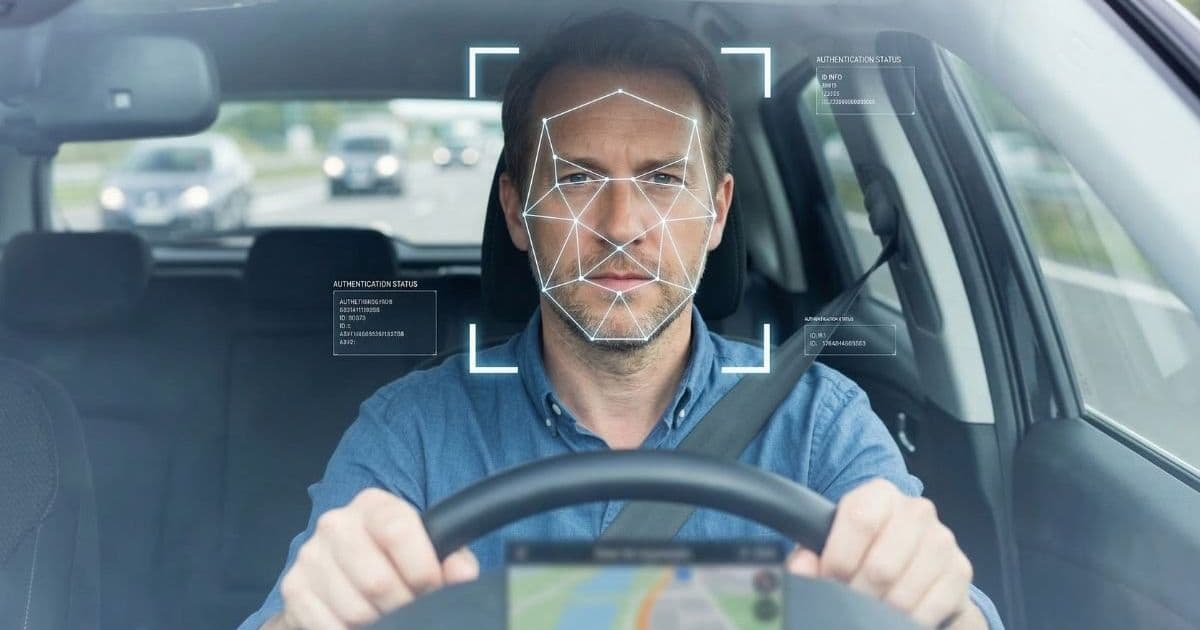
Australian researchers develop facial recognition AI that can detect drunk, drowsy, and angry drivers with up to 95% accuracy, offering a non-invasive alternative to traditional testing methods.
Researchers at Edith Cowan University (ECU) in Australia have developed an artificial intelligence system that can identify drunk, fatigued, and angry drivers by analyzing video footage of their faces. The system, nicknamed "Jack of Many Faces," evaluates subtle facial movements, eye blinking, and overall expressions to simultaneously monitor three major causes of road accidents.
According to the research team, the system can detect blood alcohol concentration with nearly 90% accuracy and drowsiness with 95% accuracy. It is also capable of categorizing drivers into three distinct levels: sober, moderate, or severe.
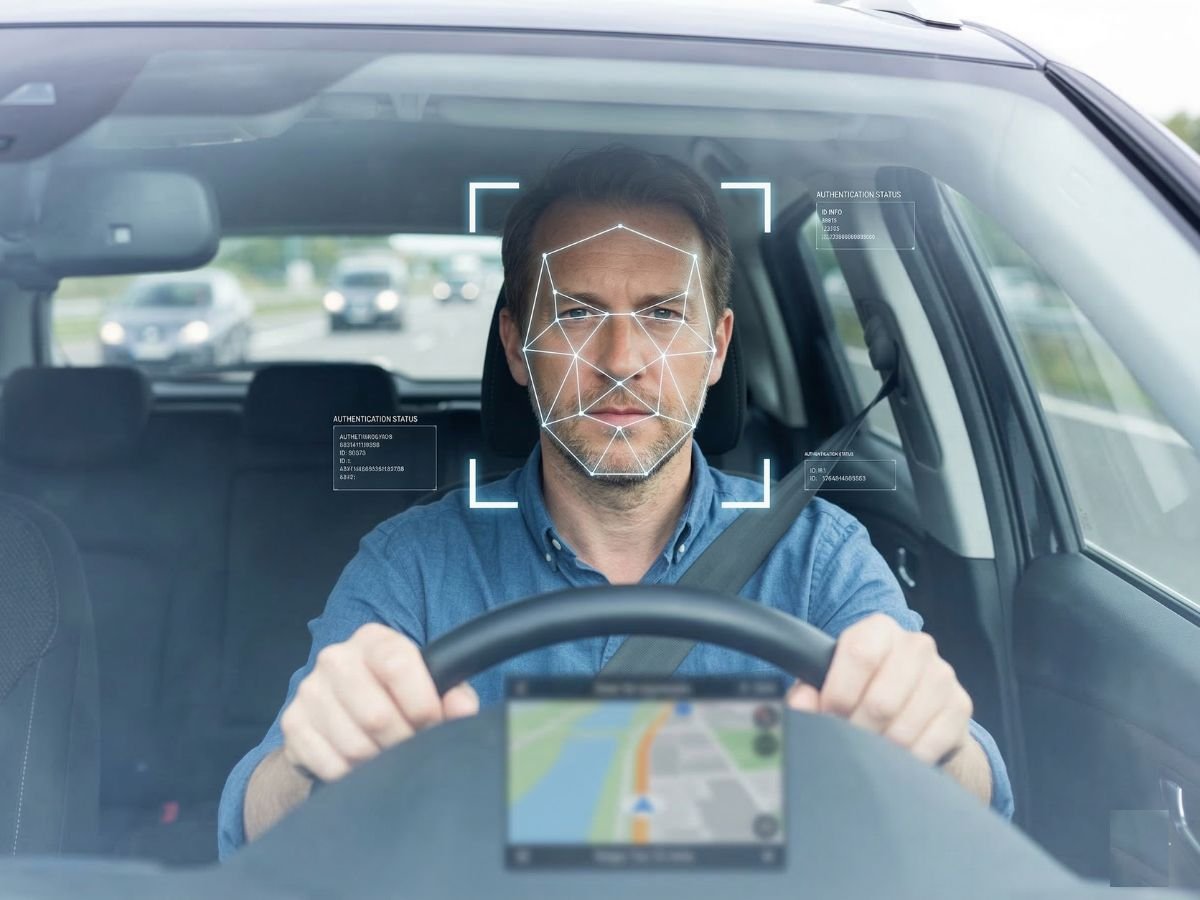
Because high levels of fatigue can physically mimic drunkenness, and anger can trigger dangerous road rage, tracking all three emotional and physical states provides a comprehensive assessment of driver safety.
"This algorithm is smart, because it can tell whether a driver is sleepy, just making a facial expression, or affected by alcohol. By separating these factors, it can better understand the driver's real physical state," said Zulqarnain Gilani, one of the researchers involved in the project.
While traditional breathalyzers and blood tests are highly accurate, they are invasive, require active cooperation, and demand on-field presence to administer. In contrast, this new technology operates passively and continuously in real-time, requiring no physical interaction from the driver.
To ensure the technology works effectively at night, the research team developed a companion model that intelligently merges standard color video with infrared night-vision footage. By combining these two distinct types of video streams, the system can accurately extract critical facial geometry in the dark, improving performance.
The development represents a significant advancement in driver safety technology, potentially offering a non-invasive method for monitoring driver impairment that could be integrated into vehicles or used by law enforcement. The system's ability to detect multiple states of impairment simultaneously addresses the complex reality that drivers may be affected by various factors at once, providing a more comprehensive safety assessment than single-purpose detection systems.
The research builds on growing interest in AI-powered driver monitoring systems, which have been increasingly incorporated into advanced driver assistance systems (ADAS) in modern vehicles. However, most existing systems focus primarily on drowsiness detection rather than the broader range of impairment states that this new system addresses.
As the technology continues to develop, questions remain about implementation, privacy concerns, and regulatory approval for widespread use. The research team has not yet announced plans for commercial deployment or partnerships with automotive manufacturers.
Source: ECU
Comments
Please log in or register to join the discussion