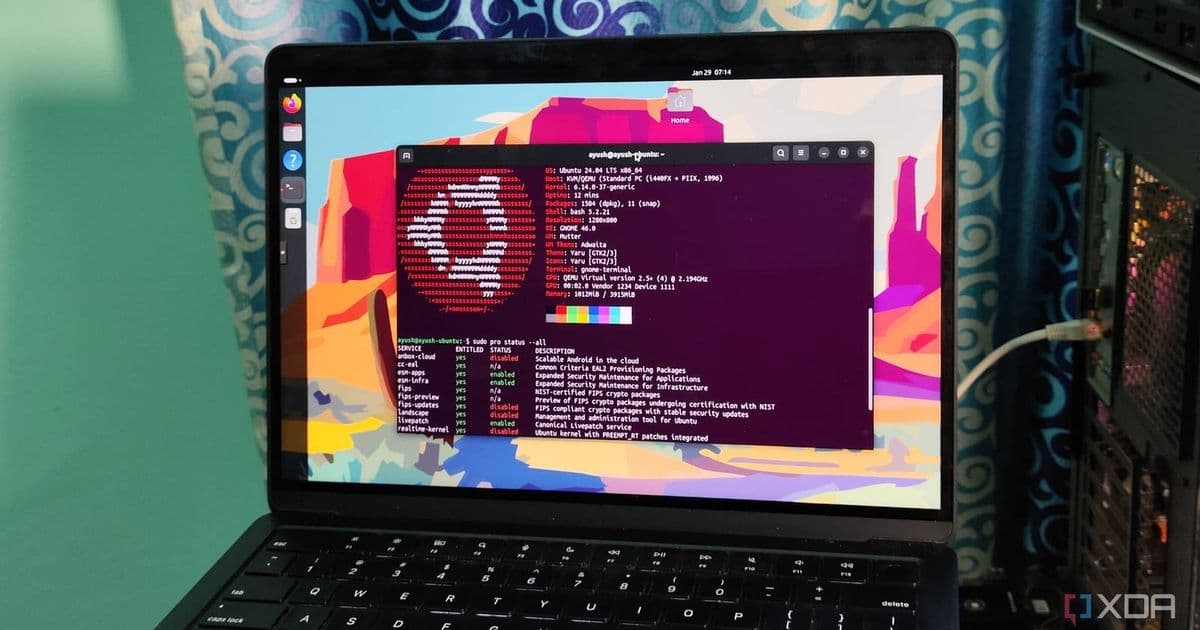
Canonical outlines a thoughtful approach to AI integration in Ubuntu, prioritizing mature, open-source solutions that run locally while focusing on accessibility improvements rather than marketing gimmicks.
Canonical has officially announced its plans to integrate AI into Ubuntu, but with a refreshing approach that stands in contrast to the AI-overloaded strategies we've seen from other major tech companies. In a recent blog post titled "The future of AI in Ubuntu," Canonical's Jon Snowball outlined the company's philosophy on AI adoption, emphasizing that Ubuntu will only incorporate AI features when they are mature, open-source, and can run locally whenever possible.
This announcement comes at a time when many Linux users have grown wary of the "AI washing" trend, where companies hastily integrate AI features into their products without clear benefits or proper implementation. Canonical's approach, however, appears to be measured and user-focused, aiming to enhance Ubuntu's existing functionality rather than transforming it into an "AI product."
Ubuntu's AI Philosophy: Quality Over Hype
Snowball's blog post provides valuable insight into Canonical's thinking. The company acknowledges AI's potential but is determined to avoid the pitfalls that have plagued other implementations. Ubuntu's approach centers on three key principles:
- Mature Technology: Only incorporating AI features that have reached a stable, reliable state
- Open Source: Prioritizing open-source AI implementations that respect user privacy
- Local Execution: Running AI models locally whenever feasible to maintain user control and privacy
This philosophy stands in stark contrast to Microsoft's Copilot integration, which has been criticized for being overly aggressive and sometimes intrusive. Canonical's approach is more conservative, focusing on solving real problems rather than simply adding AI for marketing purposes.
Accessibility-First Approach
One of the most refreshing aspects of Canonical's AI strategy is its focus on accessibility. Snowball specifically mentions speech-to-text and text-to-speech as prime candidates for AI enhancement:
"I don't see these as 'AI features', I see them as critical accessibility features that can be dramatically improved through the adoption of LLMs with minimal (if any) drawbacks."
This perspective recognizes that AI can genuinely enhance accessibility features without compromising the user experience. For developers working on accessibility tools, this announcement provides clear direction that Canonical values practical improvements over flashy but unnecessary AI features.
Implications for Ubuntu Developers
For developers maintaining Ubuntu applications, Canonical's approach offers several advantages:
- Stability: AI features will only be incorporated when mature, reducing the risk of breaking changes
- Privacy: Local AI execution means fewer concerns about data privacy and connectivity requirements
- Clear Purpose: AI enhancements will target specific areas like accessibility, providing a clear development focus
Developers should prepare for potential new APIs related to speech recognition and synthesis, which could benefit from AI enhancements. Those working on accessibility tools will particularly find new opportunities to improve their applications.
Migration Considerations for Ubuntu Users
For existing Ubuntu users, this announcement suggests a gradual, unobtrusive integration of AI features. Unlike some operating systems that have pushed AI notifications and features aggressively, Canonical's approach appears more subtle. Users can expect:
- Gradual introduction of AI-enhanced accessibility features
- Optional AI capabilities that don't interfere with the traditional Ubuntu experience
- Continued emphasis on performance and resource efficiency
The migration path is likely to be smooth, with Canonical respecting the preferences of its user base. Those who want to experiment with AI features can do so, while traditionalists can continue using Ubuntu without significant changes to their workflow.
Ubuntu vs. Other Linux Distributions
This announcement positions Ubuntu differently from other Linux distributions when it comes to AI. While some distributions might rush to integrate the latest AI models or features, Ubuntu's cautious approach could make it more appealing to enterprise users and those who value stability.
Canonical's commitment to open-source AI solutions also contrasts with some proprietary approaches. By focusing on locally running models, Ubuntu maintains its independence from cloud services and data privacy concerns that have accompanied many AI implementations.
Looking Ahead
Snowball concludes the blog post by emphasizing that Ubuntu is not becoming "an AI product," but rather "becoming stronger with thoughtful AI integration." This distinction is crucial and suggests that Canonical understands its core audience values functionality and reliability over hype.
As Ubuntu continues to develop its AI strategy, developers and users alike should monitor Canonical's progress. The approach outlined so far appears promising, offering a middle ground between the AI-skepticism of some Linux users and the AI-enthusiasm of major tech companies.
For those interested in following Canonical's AI integration plans, the official blog post provides the most direct information. Additionally, Ubuntu's developer portal will likely feature updates as AI features are implemented.
Canonical's measured approach to AI in Ubuntu could set a valuable precedent for the industry, demonstrating that AI integration doesn't have to be intrusive or compromise user values. As the operating system evolves, it will be interesting to see how these principles translate into actual features and user experiences.
Comments
Please log in or register to join the discussion