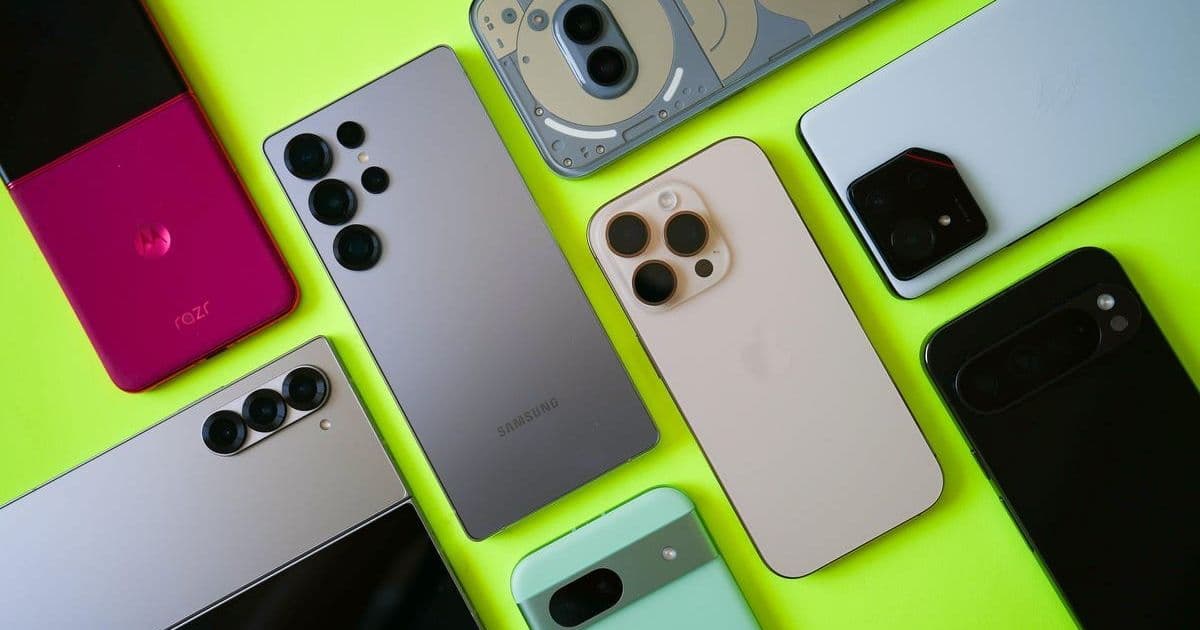
After rigorous testing of 2025's flagship smartphones, the Samsung Galaxy S25 Ultra emerges as the overall champion, blending cutting-edge AI with powerhouse performance. But specialized contenders like the lightning-charging OnePlus 13 and the value-packed CMF Phone 2 Pro prove there's a perfect device for every user's needs and budget.
The 2025 Smartphone Arena: Where AI, Endurance, and Innovation Collide
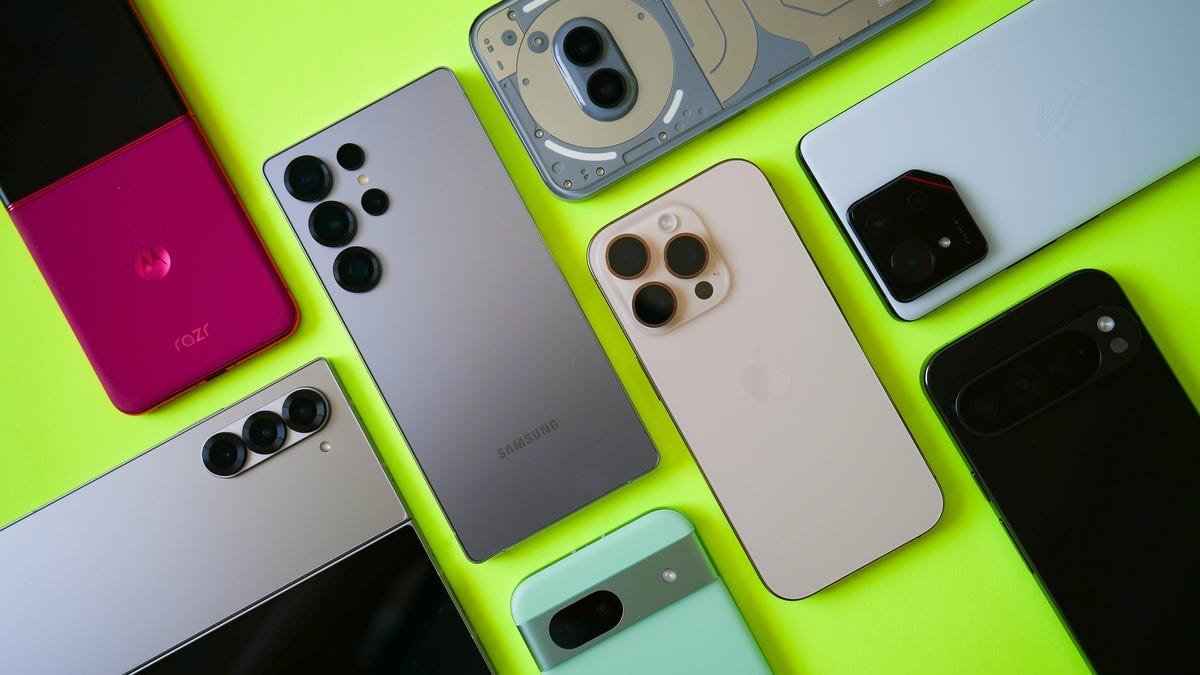
The first half of 2025 has unleashed a torrent of flagship smartphones, each vying for dominance with increasingly sophisticated AI integration, blistering performance, and specialized capabilities. From Samsung's AI-infused powerhouse to Apple's ecosystem anchor and disruptive budget contenders, choosing the right device demands navigating a landscape defined by specialization. Based on exhaustive testing by ZDNET's review team, here's where the titans stand.
The Reigning Champion: Samsung Galaxy S25 Ultra
Why It Leads: The Galaxy S25 Ultra ($1,299) isn't just an evolution; it's a statement. Powered by the Qualcomm Snapdragon 8 Elite for Galaxy chipset, its real prowess lies in the deeply integrated Galaxy AI suite. Features like real-time call translation, cross-app voice commands, and advanced photo editing aren't gimmicks – testing confirms they operate with remarkable speed and reliability, setting a new bar for Android AI utility.
Beyond silicon, the S25 Ultra dazzles with a massive, 6.9-inch AMOLED display boasting industry-leading brightness and a new anti-reflective coating, making it supremely usable outdoors. The 5,000mAh battery delivers consistent all-day endurance, bolstered by an enlarged vapor chamber for sustained performance during intensive tasks like gaming or video editing. Durability gets a boost with a titanium frame and Corning Gorilla Armor 2 glass. The camera system sees a significant leap with a 50MP ultrawide lens, capturing landscapes and macro shots with stunning detail and vibrancy that outperformed rivals like the iPhone 16 Pro Max and Pixel 9 Pro XL in ZDNET's comparative tests.
Ideal For: Demanding users seeking the pinnacle of Samsung's tech, early adopters craving potent on-device AI, multimedia enthusiasts, and photographers needing versatile, high-quality capture. A compelling upgrade from devices 3-4 years old.
Compromises: The premium price is a barrier. The removal of S Pen Bluetooth gestures disappoints some power users, and the angular design isn't for everyone.
| Spec              | Detail                                      |
|-------------------|---------------------------------------------|
| Processor         | Snapdragon 8 Elite for Galaxy               |
| Display           | 6.9" AMOLED, Anti-Reflective               |
| Battery           | 5,000mAh                                    |
| Main Camera       | 200MP + 50MP UW + 50MP (5x) + 10MP (3x)    |
| Starting Price    | $1,299                                      |
The Apple Standard-Bearer: iPhone 16 Pro Max
The Ecosystem Anchor: Apple's iPhone 16 Pro Max ($1,200) refines its formula with purpose. The headline hardware change is the new Camera Control button – a physical switch enabling instant camera access and shutter release, hailed by ZDNET's Jason Hiner as "super handy for prolific photographers." The 6.9-inch display feels even larger thanks to thinner bezels, perfect for immersive content.
Underpinning its future is the A18 Pro chip, delivering significantly faster on-device AI processing crucial for the upcoming wave of Apple Intelligence features (image generation, enhanced Siri, notification summaries). Camera upgrades include 4K video at 120fps for ultra-smooth slow-motion and Audio Mix tech for clearer voice isolation in recordings. Apple touts 33 hours of video playback – a notable battery life jump – and adds 25W MagSafe wireless charging.
Ideal For: Deeply entrenched Apple users, those prioritizing future-proofing for Apple Intelligence, videographers, and users craving maximum battery life within iOS.
Compromises: Apple Intelligence features are still rolling out. The $1,200 entry point remains steep, and Android offers more customization.
The Foldable Future: Samsung Galaxy Z Fold 7 & Motorola Razr Ultra
Best Book-Style: Samsung Galaxy Z Fold 7 ($1,999) Samsung pivoted towards usability with a wider, more standard aspect ratio outer display on the Z Fold 7, making it far more practical for daily tasks without unfolding. The 8-inch inner screen is a productivity powerhouse. While camera specs (200MP main) trail the S25 Ultra, its unique form factor enables superior long-exposure shots and selfies. One UI over Android 16 ensures rich features and 7 years of updates. The omission of S Pen support is a notable step back.
Best Clamshell: Motorola Razr Ultra ($1,299) Motorola edges out Samsung's Flip with a functional 4-inch outer display capable of running virtually any app – a stark contrast to Samsung's limitations. The ultra-thin design features new textured finishes (Alcantara, Wood) enhancing grip on a delicate form factor. Powered by the Snapdragon 8 Elite and a 4,700mAh battery (a significant boost), it offers 68W wired and 30W wireless charging. Its Achilles' heel is Motorola's shorter 2-3 year software update promise.
The Value Innovators: CMF Phone 2 Pro & OnePlus 13
Budget King: CMF Phone 2 Pro by Nothing ($279) Defying budget expectations, the CMF Phone 2 Pro offers unprecedented customization: swappable backplates, screw-in accessories (kickstands, wallets), and a rare MicroSD slot. The 3,000-nit OLED display is shockingly bright and vibrant for the price, backed by a reliable 5,000mAh battery and Nothing's clean, bloatware-light OS. The triple camera (including a dedicated telephoto) is competent in daylight but struggles in low light. Critical Note: Lacks Verizon band support.
Speed Demon: OnePlus 13 ($900) The OnePlus 13 redefines endurance and charging. Its 6,000mAh battery is a class leader, paired with 80W wired charging (full charge ~30 mins) and 50W wireless charging. Durability is exceptional with IP69 rating (resisting high-pressure/temp water) and Ceramic Guard screen. The Snapdragon 8 Elite and 16GB RAM ensure smooth performance. While the triple 50MP camera system is capable, it lags behind Google and Samsung in computational consistency. Carrier store availability remains limited.
The Pixel Perfectionist: Google Pixel 9 Pro XL
Camera Maestro ($900): Google's Pixel 9 Pro XL continues its reign in computational photography. Testing revealed superior shutter speed for action shots, natural color science, and balanced processing compared to rivals. The triple 50MP/48MP/48MP (5x telephoto) system is versatile, enhanced by AI tools like Super Res Zoom (30x), 8K upscaling, and the clever "Add Me" feature for group photos. The Tensor G4 chip enables powerful editing (Magic Editor, Photo Unblur, Best Take). The 5,060mAh battery and bright LTPO display are solid, but charging caps at 45W.
Why This Matters Beyond the Spec Sheet
The 2025 smartphone race underscores several critical trends for developers and tech leaders:
- AI is the New Battleground: On-device AI processing (Snapdragon 8 Elite, A18 Pro, Tensor G4) is no longer optional. Features moving beyond gimmicks to genuine utility (translation, photo editing, voice control) demand optimized apps and services.
- The Charging Divide: The gap between slow (Apple, Samsung ~25W), fast (Google 45W, Pixel), and ultra-fast (OnePlus 80W) charging creates distinct user expectations around device readiness and accessory ecosystems (Qi2 adoption remains uneven).
- Specialization Wins: There is no "one size fits all." Foldables cater to productivity and portability niches. CMF proves radical customization and value can coexist. Pixel dominates for point-and-shoot photography. Understanding user personas is crucial.
- Longevity as a Feature: Extended software support (7 years for Samsung/Google flagships, 4-6 for OnePlus, 2-3 for Motorola foldables) impacts consumer upgrade cycles and security postures, influencing enterprise device management and sustainability efforts.
- Ecosystem Lock-in Deepens: Apple Intelligence and deep Galaxy AI integration reinforce ecosystem stickiness, making cross-platform transitions harder. Developers must strategize accordingly.
Choosing the 'best' phone in 2025 hinges less on raw power – most flagships have it in spades – and more on which specialized capabilities align with your digital life and workflow. Whether it's the AI-infused versatility of the S25 Ultra, the enduring ecosystem of the iPhone 16 Pro Max, the transformative screens of foldables, the disruptive value of the CMF, or the sheer speed of the OnePlus 13, the power is decisively in the user's hands.
Source: Analysis based on comprehensive testing and reviews by Kerry Wan and Allison Jewell, ZDNET (July 26, 2025).
Comments
Please log in or register to join the discussion