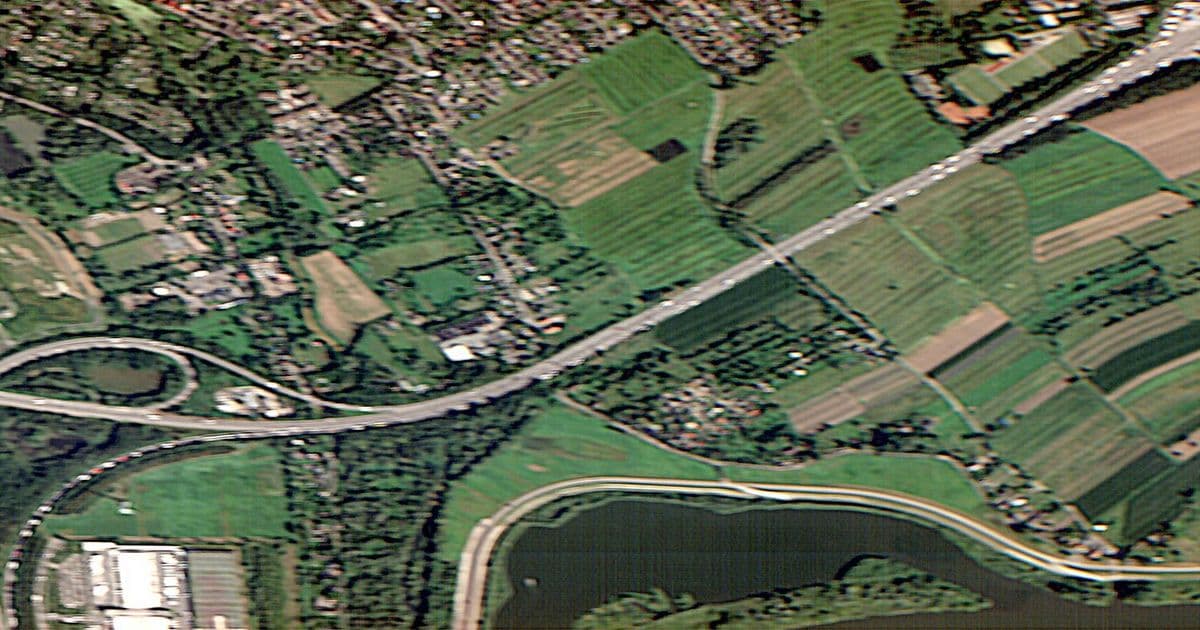
Albedo's Clarity-1 satellite successfully demonstrated sustainable Very Low Earth Orbit operations, validated a custom satellite bus, and captured high-resolution imagery, overcoming significant attitude control challenges.
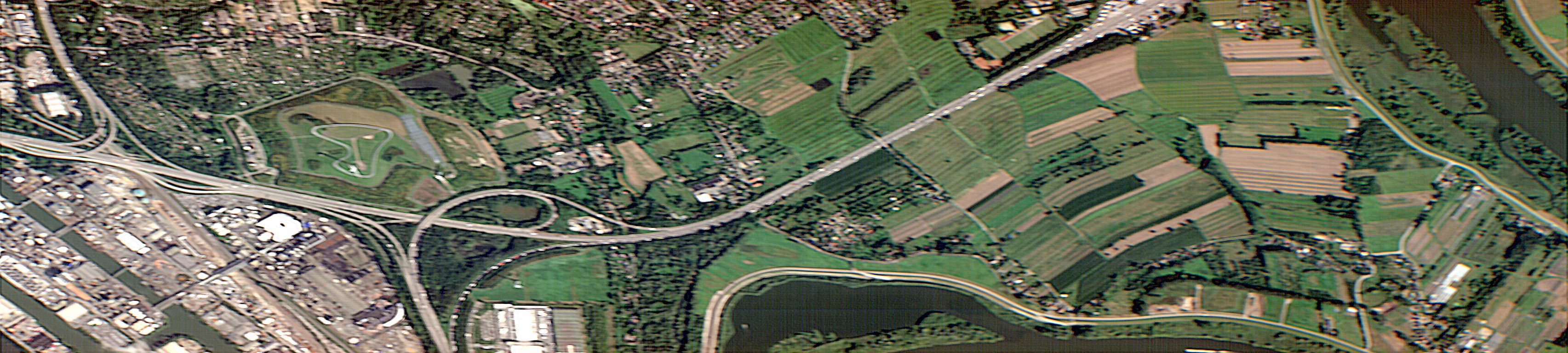
Albedo's Clarity-1 mission has provided definitive validation of sustainable satellite operations in Very Low Earth Orbit (VLEO), while revealing critical engineering insights from its premature termination. Launched on SpaceX's Transporter-13 mission in March 2025, the 600kg satellite achieved its primary objectives despite losing attitude control capabilities nine months into the mission.
VLEO Vindicated
VLEO (250-350km altitude) presents extreme challenges: atmospheric drag decays orbits rapidly, while atomic oxygen degrades materials. Clarity-1 exceeded expectations with a drag coefficient 12% better than projections, confirming models predicting five-year operational lifetimes at 275km. 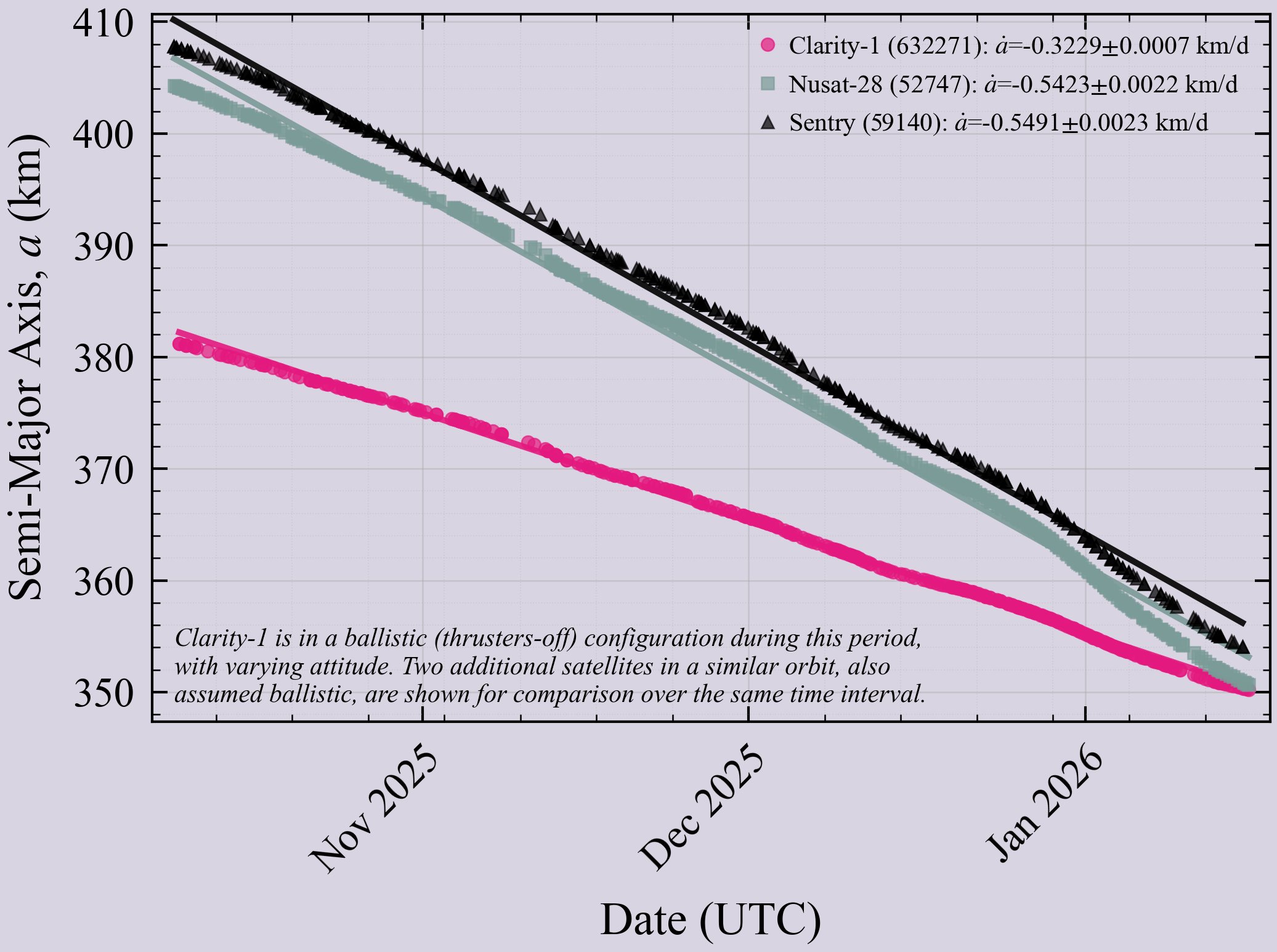 demonstrates atomic oxygen resilience - despite logarithmic increases in AO fluence during descent, solar array output remained stable. The satellite survived solar storms and executed over 100km of controlled descent using electric thrusters.
Precision Bus Validation
Albedo's in-house Precision satellite bus performed flawlessly across all subsystems. The cloud-native ground system enabled:
- Automated contact planning across 25 stations
- Real-time mission scheduling updates every 15 minutes
- 30+ daily automated maneuvers
- Secure global satellite control via VPN
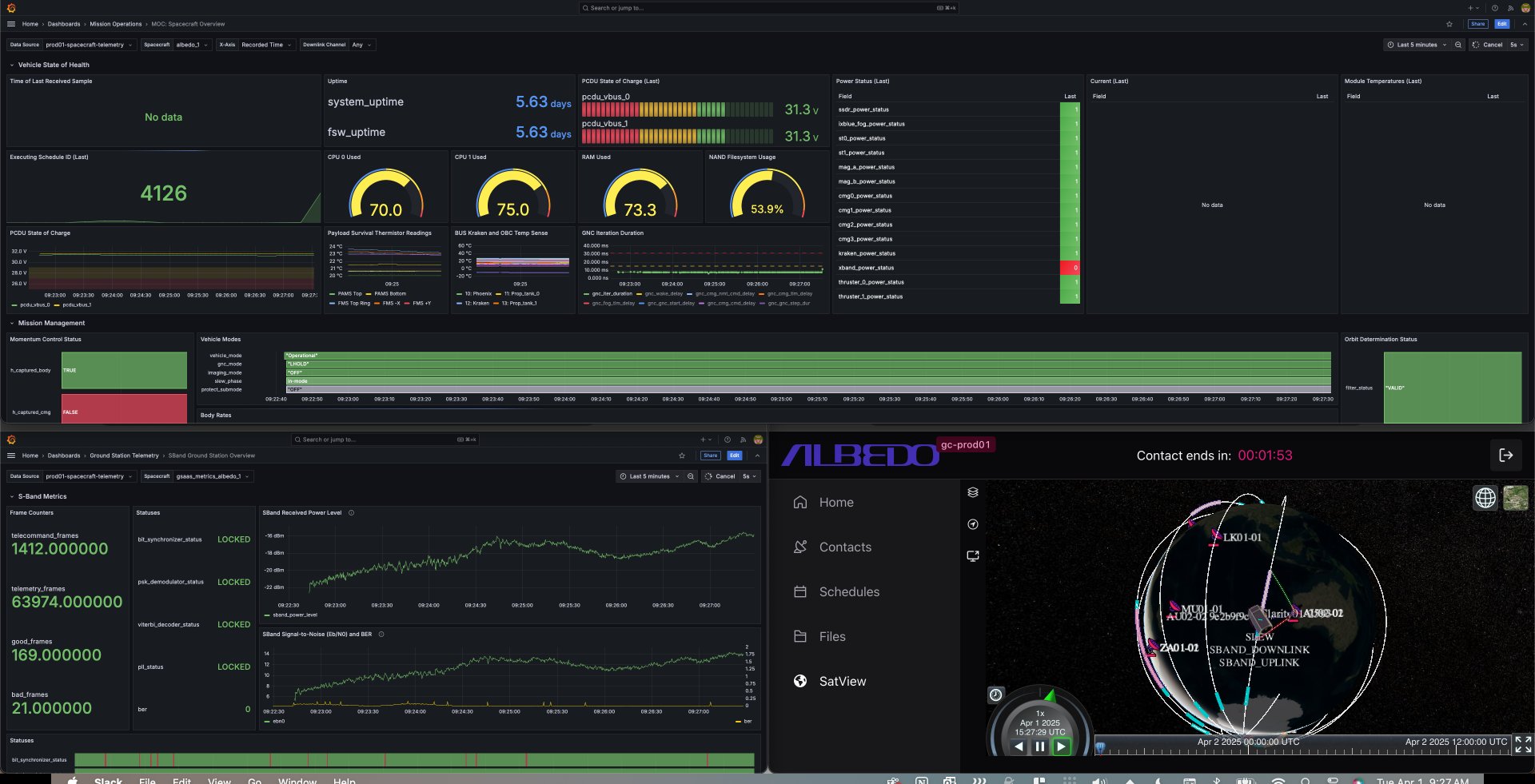 shows the telemetry dashboard that enabled engineers to push 14 successful flight software updates and even a rare FPGA update during operations.
Attitude Control Breakthrough and Failure
Initial operations were flawless: autonomous boot-up within 3 hours, Protect Mode activation in 14 hours, and CMG commissioning ahead of schedule. Problems emerged during descent to VLEO when CMG #1 failed due to bearing overheating. Albedo's team developed novel 3-axis control using magnetic torque rods - typically reserved for momentum dumping. 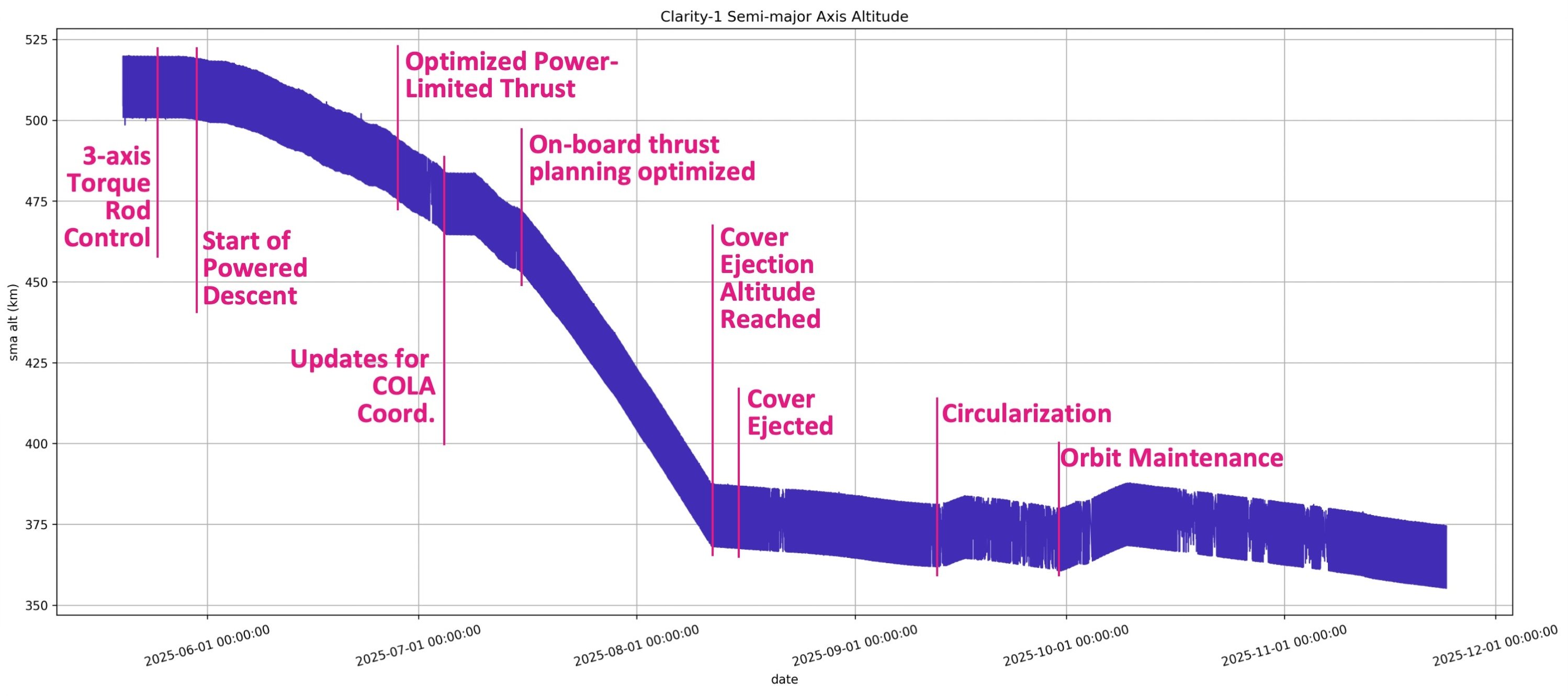 illustrates their torque rod solution achieving ~5° thrust vector control after software refinements.
Despite restoring partial CMG functionality for imaging, a second CMG failed from similar thermal issues. The team discovered lubricant temperature limits were miscalibrated in specifications. While they validated end-to-end imaging workflows (capturing 20-30km strips with sub-5m geolocation accuracy), full 10cm resolution remained elusive without stable attitude control.
Legacy and Path Forward
Clarity-1 stopped communicating after nine months, but provided sufficient data to retire 98% of technical risks for future VLEO missions. Key learnings:
- CMGs require lower operational temperatures than specified
- Secondary mirror structures need increased stiffness
- Payload zones require additional heater capacity
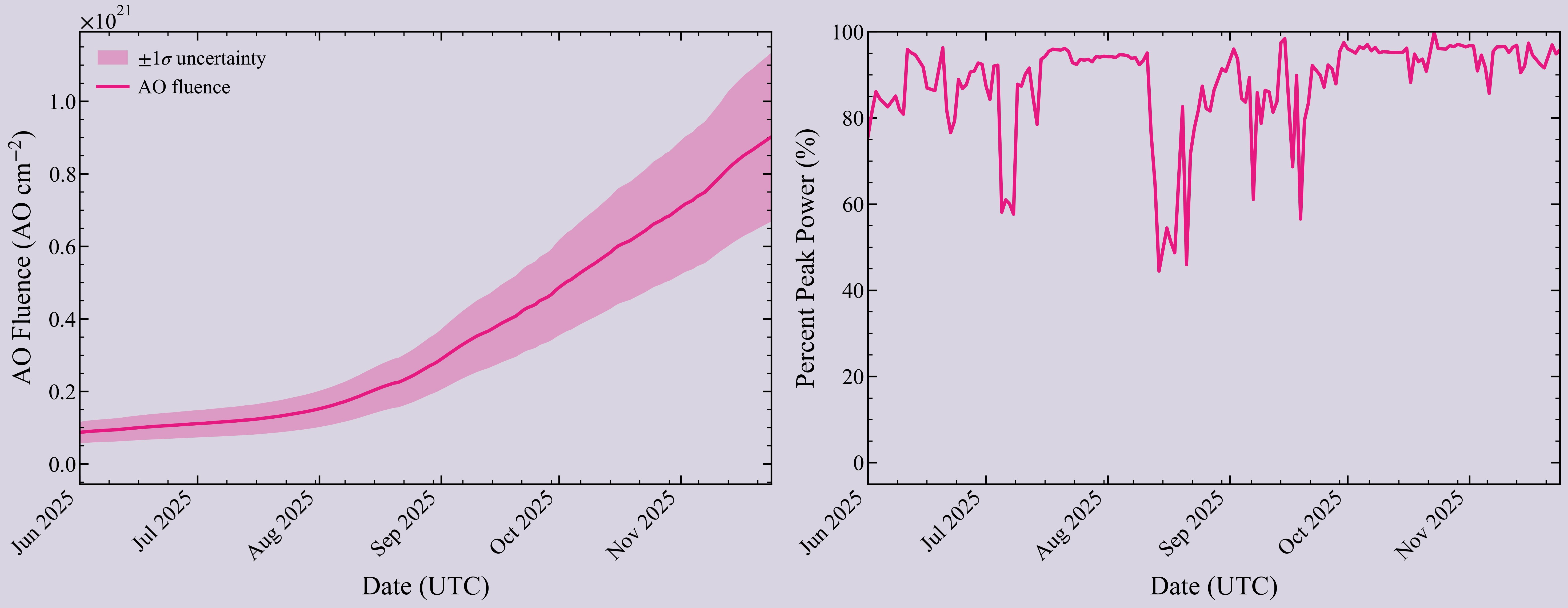 confirms power stability during operations, while atmospheric models are now validated with actual drag coefficients. Albedo's next mission will implement these improvements while demonstrating new VLEO capabilities beyond imaging. The company has proven that sustained commercial operations in VLEO are feasible - unlocking advantages in resolution, latency, and responsiveness previously reserved for billion-dollar government systems.
Comments
Please log in or register to join the discussion