
Alibaba is integrating its Qwen AI model across Taobao, Alipay, Fliggy, and Amap to create a unified AI assistant for its 100 million users, signaling a strategic consolidation of services against rivals like Tencent and ByteDance.
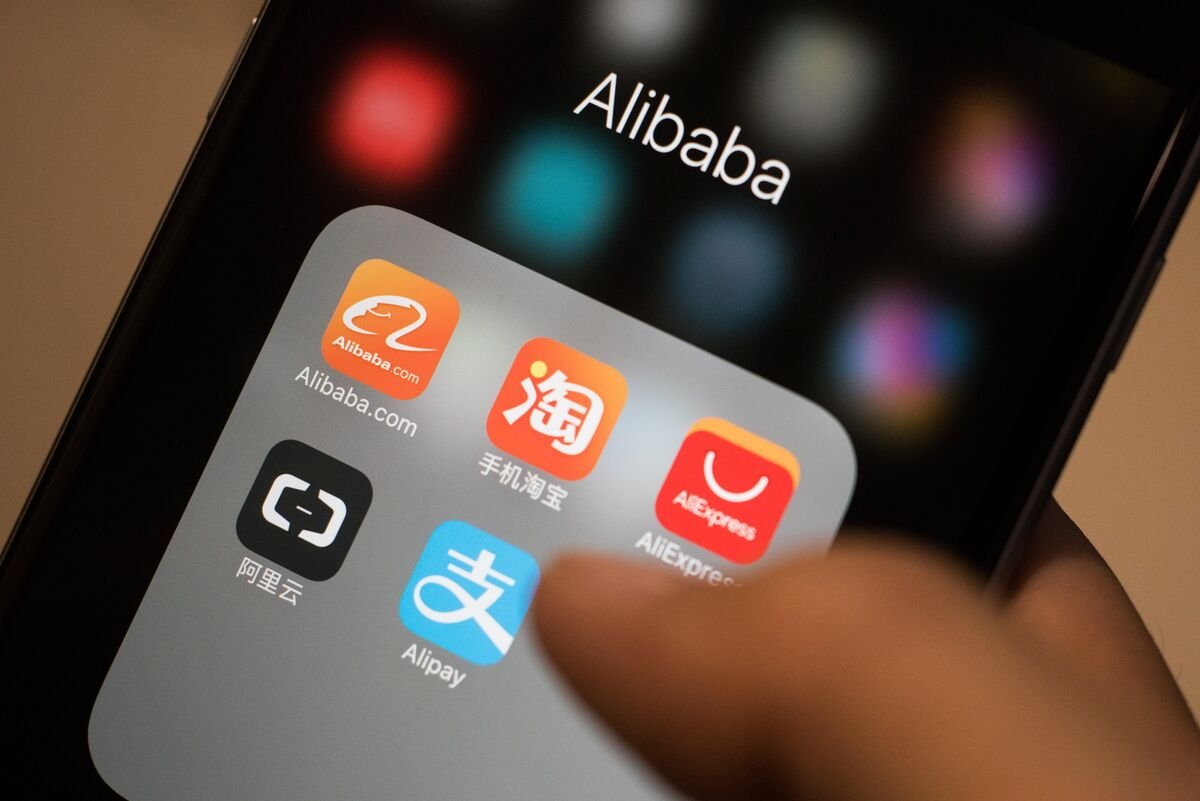
Alibaba Group has launched its most ambitious AI integration to date, connecting its Qwen large language model across core services including Taobao, Alipay, Fliggy, and Amap. This ecosystem-wide deployment aims to transform fragmented shopping, payments, travel, and navigation services into a cohesive AI-powered experience for over 100 million users – positioning Alibaba as China's first tech giant to attempt unified AI orchestration at this scale.
The integration enables cross-platform functionality where users might, for example, ask Qwen in Taobao about travel options to a purchased destination, then seamlessly transition to Fliggy for bookings while automatically applying Alipay payment methods. Early documentation suggests the system leverages contextual awareness across services, though Alibaba hasn't disclosed technical specifics about data sharing boundaries between platforms.
This consolidation arrives amid fierce competition. ByteDance's Douyin increasingly encroaches on Alibaba's e-commerce dominance, while Tencent's WeChat super-app continues expanding its own AI capabilities. Industry analysts note Alibaba's move strategically leverages its established user base rather than chasing pure technological breakthroughs. "This isn't about beating GPT-4 benchmarks," says Hong Kong-based tech analyst Jasmine Wei. "It's about locking in ecosystem loyalty through convenience at a moment when Chinese consumers are fatigued by app-switching."
Potential hurdles remain significant. User privacy advocates question how Alibaba will handle consent for cross-service data flows, particularly given China's evolving data governance regulations. Technical challenges around maintaining consistent AI behavior across vastly different interfaces (from map navigation to payment processing) could degrade user experience if poorly implemented. Meanwhile, internal sources suggest Alibaba's cloud division – which originally developed Qwen – faces pressure to demonstrate ROI after substantial AI infrastructure investments.
The timing reflects broader industry patterns. Similar ecosystem plays are emerging globally: Google's Gemini integration across Workspace, Apple's anticipated Siri overhaul, and Amazon's Alexa ecosystem expansions all suggest tech giants view unified AI as the next competitive moat. For Alibaba, success would solidify its position in China's tech hierarchy. Failure could fragment its services further as rivals advance their own integrated offerings.
Alibaba's official announcement positions Qwen as a "digital concierge" but avoids technical specifics. Third-party developers will monitor API access closely, as limited ecosystem openness could determine whether this becomes a walled garden or a platform for broader innovation.
Comments
Please log in or register to join the discussion