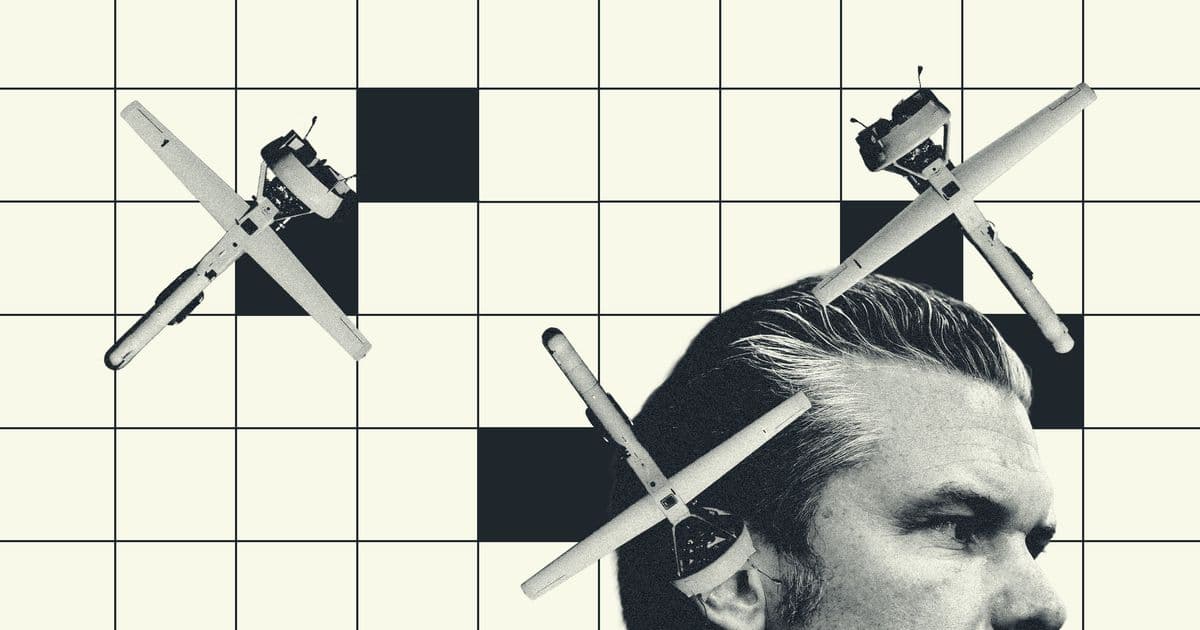
The Pentagon's negotiations with Anthropic collapsed over the military's demand to use Claude for analyzing bulk data on Americans, exposing fundamental conflicts between AI ethics and surveillance capabilities.
The Pentagon's negotiations with Anthropic over using AI for national security purposes collapsed due to fundamental disagreements about surveillance capabilities, according to sources familiar with the failed talks.
The Core Conflict
The breakdown centered on the Pentagon's desire to deploy Anthropic's Claude AI system for analyzing bulk data collected about American citizens. This demand proved to be a red line for Anthropic, which has positioned itself as the "safety-conscious" AI company compared to competitors like OpenAI.
Sources indicate that even as negotiations progressed, Pentagon officials continued pushing for capabilities that would allow Claude to process and analyze large-scale domestic data sets. Anthropic's leadership reportedly viewed this as incompatible with their stated mission of developing AI that respects privacy and civil liberties.
The Timing and Context
These negotiations occurred in the broader context of increasing government pressure on AI companies to provide tools for national security applications. The talks collapsed just before Pete Hegeth moved to terminate the government's relationship with Anthropic entirely, suggesting the surveillance demands were a final breaking point rather than an initial sticking point.
OpenAI's subsequent announcement of a Department of Defense agreement has intensified scrutiny of Anthropic's position. OpenAI claims its DOD deal includes "more guardrails than any previous agreement for classified AI deployments, including Anthropic's," though specific details remain classified.
The Broader Implications
This episode highlights the fundamental tension between AI companies' public commitments to ethical development and the national security community's demands for powerful surveillance tools. Anthropic has built its brand around being the "responsible" alternative to companies like OpenAI, but this stance creates friction when dealing with government agencies that prioritize capability over privacy concerns.
The collapse of these talks may signal a broader industry shift where AI companies must choose between maintaining their ethical positioning or pursuing lucrative government contracts. OpenAI's willingness to work with the Pentagon suggests at least some companies are choosing the latter path.
What Comes Next
With Anthropic now effectively blacklisted from federal contracts while OpenAI moves forward with its DOD partnership, the AI industry appears to be splitting along philosophical lines. This division could accelerate as other AI companies face similar choices between ethical principles and government business.
The episode also raises questions about whether any AI company can maintain strict ethical boundaries while operating in a national security environment where surveillance capabilities are often prioritized over privacy concerns. Anthropic's experience suggests that companies positioning themselves as the "ethical alternative" may find those positions untenable when significant government contracts are at stake.
The Technical Reality
From a technical perspective, the dispute underscores how AI systems like Claude are increasingly being viewed not just as productivity tools but as potential instruments of state surveillance. The ability to process and analyze bulk data efficiently makes these systems attractive to intelligence agencies, but also raises profound questions about privacy and civil liberties that companies like Anthropic are struggling to navigate.
As AI capabilities continue advancing, these tensions between ethical development and government demands are likely to intensify rather than diminish, potentially forcing more AI companies to make difficult choices about their core values and business strategies.
Comments
Please log in or register to join the discussion