AMD submits additional AMDGPU kernel graphics driver updates to DRM-Next ahead of Linux 7.1, including RDNA4 support, new IP block enablement, and AI-assisted color management improvements.
AMD is continuing its steady march toward Linux 7.1 with another substantial batch of graphics driver updates submitted to the DRM-Next staging area. The latest pull request, now queued for the April merge window, brings a mix of bug fixes, hardware enablement, and new features that underscore AMD's commitment to Linux graphics development.
RDNA4 and New Hardware Support
The most significant addition in this update is support for the new AMD GFX/GC 12.1 target, which represents a new RDNA4 variant. This hardware enablement is crucial as it lays the groundwork for upcoming AMD graphics cards and APUs based on the RDNA4 architecture. The driver updates include the necessary code to properly identify and initialize this new GPU family when it reaches consumers.
Beyond RDNA4, the update brings support for several new AMD IP blocks that appear to be destined for future hardware. These include updates to the Display Core Next 4.2 (DCN 4.2) display engine, PSP 15 (Platform Security Processor) firmware interfaces, and various other AMD-specific IP blocks. The inclusion of these components suggests AMD is already preparing its Linux driver stack for hardware that may not ship for several months.
LSDMA 7.1 Enablement
A notable first-time addition is the enabling of LSDMA 7.1 IP. While the specifics of this memory management unit aren't detailed in the submission, LSDMA typically handles low-latency memory transfers in AMD's SoC designs. This enablement indicates support for new memory architectures that will likely appear in future APUs and mobile processors.
Color Management Improvements
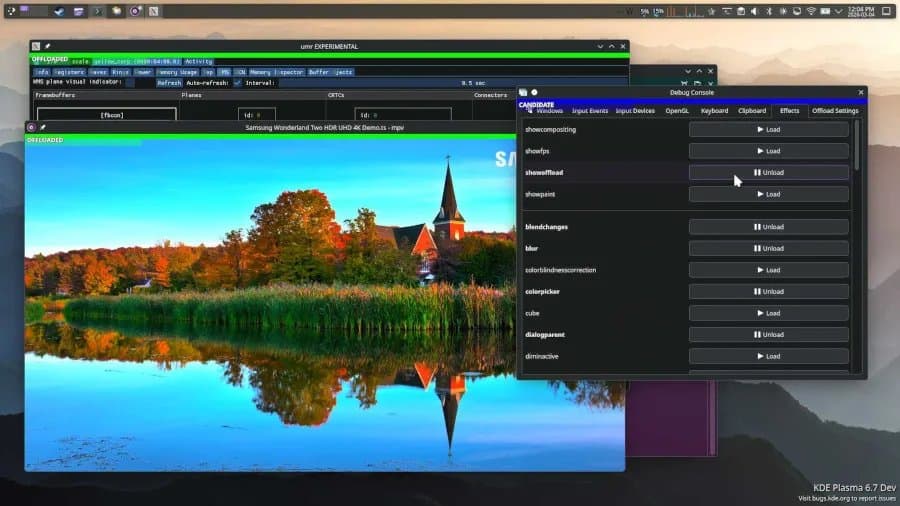
Perhaps the most interesting feature in this batch is the AI-assisted color management improvements developed with Claude Code assistance. These changes enable NV12/P010 support on primary planes and add color encoding and color range support on overlay planes. For Linux users, this translates to better video playback quality and more accurate color reproduction across different content types.
The NV12/P010 support is particularly relevant for modern video codecs and HDR content, while the overlay plane improvements ensure that UI elements and video overlays maintain proper color fidelity when composited with the desktop. These enhancements demonstrate AMD's focus on improving the multimedia experience on Linux beyond just raw graphics performance.
Stability and Discovery Updates
The update also includes various IP discovery updates, which help the kernel correctly identify and configure AMD hardware across different platforms. These changes are essential for ensuring that systems with mixed or unusual hardware configurations can still leverage AMD's graphics capabilities properly.
What This Means for Linux Users
For the average Linux user, these updates represent incremental but important improvements to the graphics stack. The RDNA4 support ensures that when the next generation of AMD GPUs arrives, Linux users will have out-of-the-box support without waiting for driver updates. The color management improvements enhance the visual experience for everyone, particularly those who watch videos or work with color-sensitive content.
For developers and enthusiasts, this submission provides a glimpse into AMD's hardware roadmap and the company's ongoing investment in Linux support. The breadth of new IP block support suggests AMD is planning significant architectural changes in its upcoming products.
The full patch set is available in the DRM-Next pull request, where developers can examine the specific changes and contribute feedback before the Linux 7.1 merge window opens in April.
[Image:  ]
]
AMD's continued contributions to the Linux kernel demonstrate the growing maturity of open-source graphics drivers and the importance of Linux in AMD's ecosystem strategy. As the company pushes forward with RDNA4 and beyond, these driver improvements ensure that Linux users remain well-supported across the entire product lineup.
Comments
Please log in or register to join the discussion