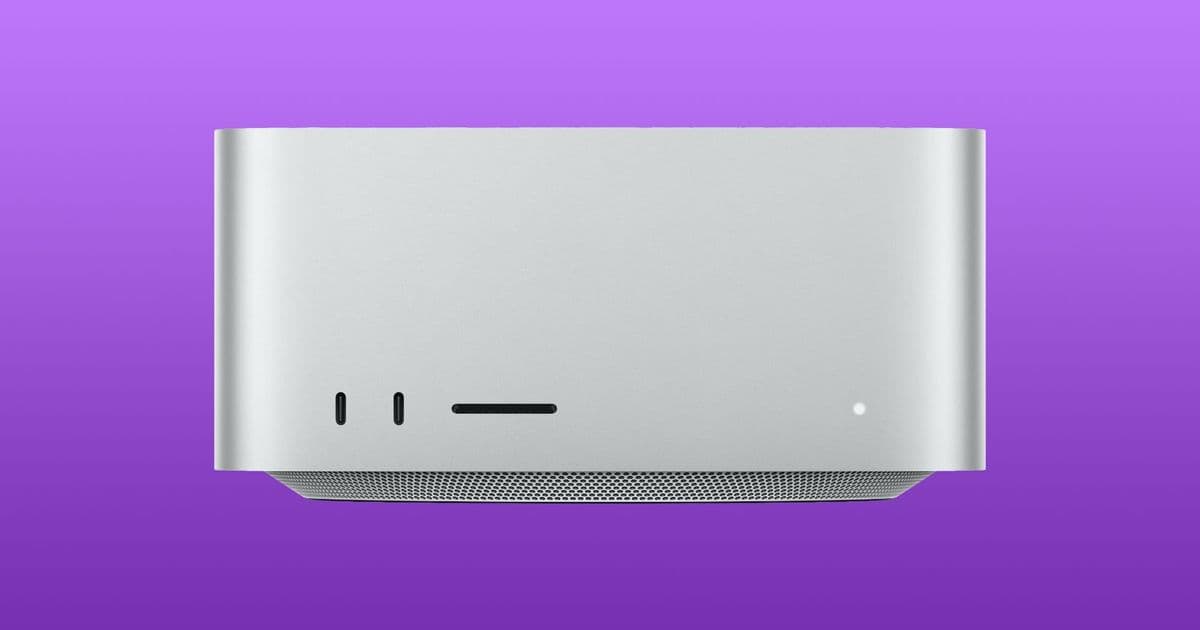
Apple reveals that demand for its compact desktops has outpaced expectations, with supply constraints expected to last for months as the company underestimates the market's shift toward AI-capable hardware.
During today's earnings call for the second fiscal quarter of 2026, Apple CEO Tim Cook dropped a surprising revelation: the company's Mac mini and Mac Studio desktops could remain in short supply for several months to come. The supply-demand imbalance stems from Apple significantly underestimating how quickly professionals and developers would recognize these compact machines as ideal platforms for AI and agentic tools.
"Both of these are amazing platforms for AI and agentic tools and the customer recognition of that is happening faster than what we had predicted, and so we saw higher than expected demand," Cook explained during the call. This admission highlights a critical shift in the computing landscape, where even traditionally business-focused hardware is being evaluated through an AI-first lens.
The Mac Studio, with its powerful M-series chips and compact design, has emerged as an unexpected darling among AI developers who need significant processing power without the bulk of traditional workstations. Similarly, the Mac mini's affordability and versatility have made it attractive for AI experimentation and deployment in constrained environments. Apple's apparent failure to anticipate this demand surge suggests a gap between the company's product planning and the rapidly evolving AI ecosystem.
The supply constraints are already visible in Apple's retail channels. The base Mac mini is currently listed as "Currently Unavailable" on Apple's online store, while the Mac Studio with 512GB RAM has been completely removed from the product lineup. Some models with higher RAM configurations are no longer accepting new orders, indicating that Apple is attempting to manage the backlog by prioritizing its most profitable configurations.
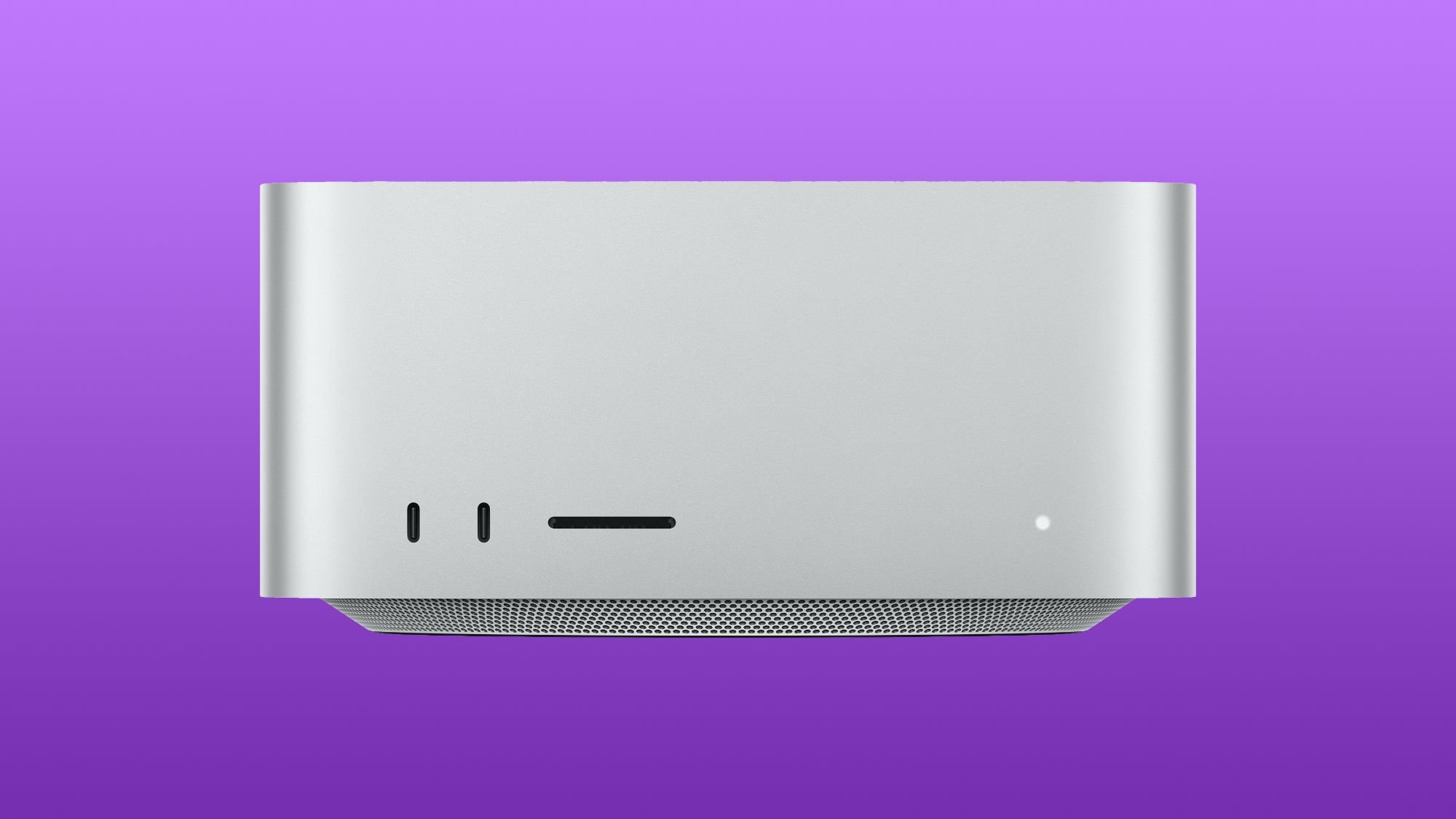
This situation reflects broader trends in the AI hardware market. As AI models become more computationally intensive, developers and organizations are scrambling for hardware that can handle the workload efficiently. Apple's silicon, with its unified memory architecture and neural processing capabilities, has positioned the Mac Studio and Mac mini as compelling alternatives to traditional workstations running on x86 processors.
The supply constraints come at an interesting time for Apple, as the company continues to position itself as a serious player in the AI space. While Microsoft, Google, and others have been more vocal about their AI strategies, Apple's hardware has quietly become a favorite among AI researchers and developers who value the integration between software and hardware.
For Apple, this supply issue represents both a challenge and an opportunity. On one hand, the company is missing out on potential revenue during a period of strong demand. On the other hand, the overwhelming interest in its products for AI workloads validates Apple's technical direction and could lead to increased market share in the professional computing space.
The situation also highlights the unpredictability of hardware markets in the age of AI. Companies that have traditionally focused on specific use cases may find their products being repurposed for AI workloads, creating unexpected demand patterns that can strain supply chains. Apple's experience with the Mac mini and Mac Studio may serve as a case study for other hardware manufacturers as they navigate this new landscape.
As Apple works to balance supply and demand, the company may need to reconsider its production forecasts for future hardware releases. The AI revolution is here, and it's changing not just what software can do, but what hardware people need to run that software. Apple's compact desktops have unexpectedly found themselves at the center of this transformation, and the company is now playing catch-up to meet the demand.
Comments
Please log in or register to join the discussion