The upcoming Linux 7.2 kernel will switch to a 'fair' DRM scheduler policy by default, bringing improved performance for interactive workloads and adding support for AMD's next-gen AIE4 NPU hardware.
Linux kernel development continues its steady march toward the Linux 7.2 release this summer, with the first batch of drm-misc-next changes already being queued for inclusion. Among the notable updates is a significant change to the default DRM scheduler policy that will impact performance across various GPU drivers including AMDGPU and Intel Xe.
The most significant change involves switching the default DRM scheduler priority from FIFO (First In, First Out) to "Fair" policy. This modification, championed by Tvrtko Ursulin of Igalia, represents a fundamental shift in how GPU resources are allocated across different processes.
"FAIR policy works better than FIFO for all known use cases and either matches or gets close to RR [Round Robin]," Ursulin explained. "Lets make it a default to improve the user experience especially with interactive workloads competing with heavy clients."
This change has been in development for months and targets improved responsiveness in scenarios where multiple applications compete for GPU resources. The FIFO policy, while conceptually simple, can lead to situations where a single long-running graphics task monopolizes the GPU, causing noticeable stuttering or lag in other applications. The Fair scheduler provides a more balanced approach to resource allocation.
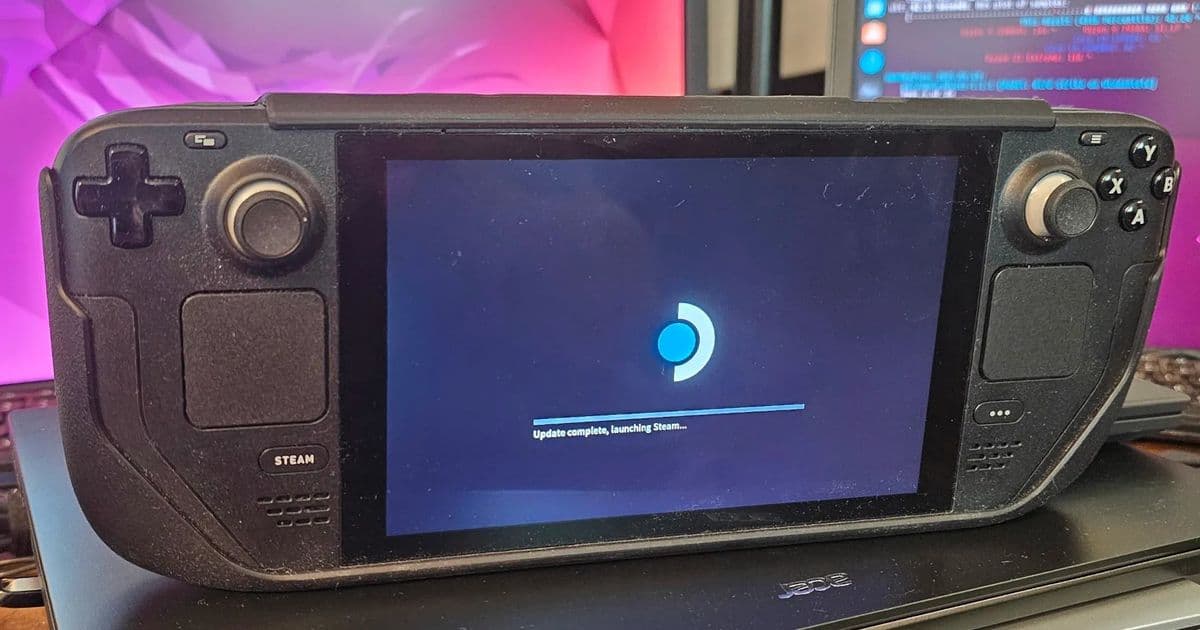
The benefits are expected to be particularly noticeable on devices like Valve's Steam Deck, where interactive gaming applications must compete with system processes and background services. On traditional Linux desktops, users should experience smoother performance when running graphics-intensive applications alongside everyday productivity software.
Beyond the scheduler change, the initial Linux 7.2 drm-misc-next pull request includes several other noteworthy updates:
AMDXDNA Accelerator Updates: The driver for AMD Ryzen AI NPUs now exposes per-client buffer object (BO) memory usage via FDINFO, providing better visibility into memory allocation. More significantly, the driver has gained support for new AIE4 hardware devices. While AMD hasn't officially announced AIE4, this is likely their next-generation NPU architecture, promising improved AI acceleration capabilities in future Ryzen AI processors.
V3D DRM Driver Improvements: The V3D driver, which powers graphics on Raspberry Pi devices, is finally implementing runtime power management. This change will allow the GPU to dynamically adjust its power state based on usage, potentially extending battery life in Raspberry Pi-based mobile or embedded devices while maintaining performance when needed.
These changes represent continued refinement of Linux's graphics stack, with particular attention to improving user experience in interactive scenarios and supporting emerging hardware architectures.
The development timeline for Linux 7.2 suggests we can expect these changes to be finalized in the coming months, with the stable release likely arriving in late summer 2026. Users looking to test these changes early can track the drm-misc-next pull request, which will continue to accumulate additional features before the merge window closes.
For those interested in the technical details of the Fair scheduler implementation or wishing to test the changes, the relevant patches are already available in the DRM-Next tree, providing an opportunity for early adopters and developers to evaluate the performance improvements before the official release.
You can follow the development progress through the official drm-misc-next pull request for more technical details and additional changes that may be included before Linux 7.2's final release.
Comments
Please log in or register to join the discussion