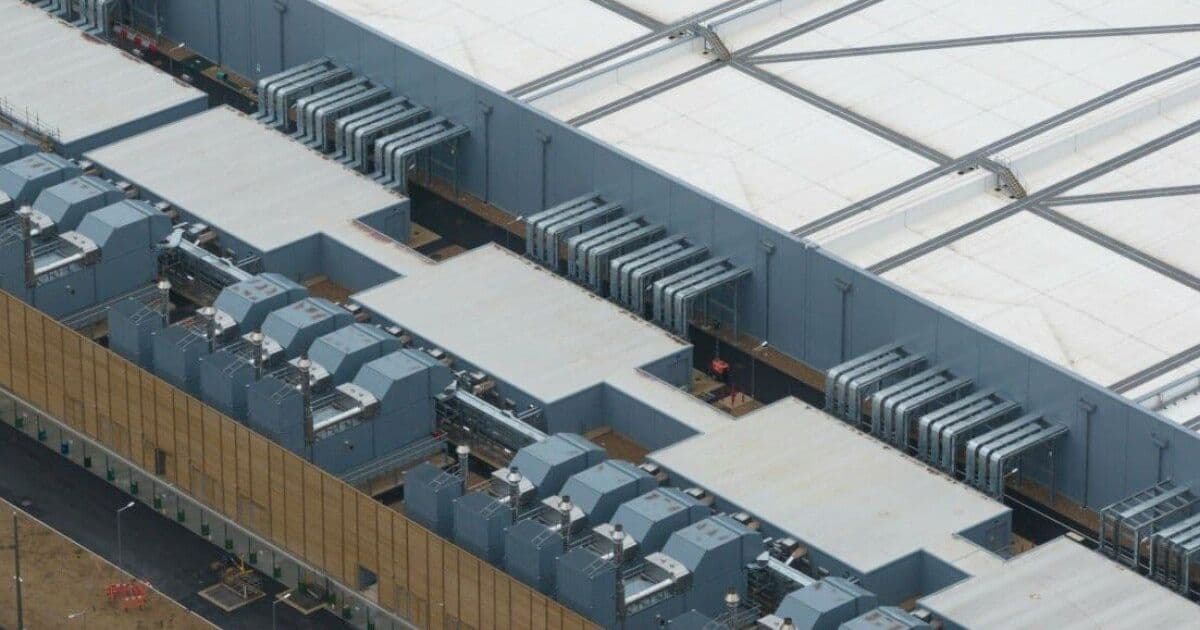
A new Gallup poll shows that 71 % of U.S. adults oppose the construction of AI‑focused data centers near their homes, outpacing opposition to nuclear power plants. The findings highlight growing public resistance to “bit barns” and raise questions for developers, regulators, and policymakers.
Gallup poll reveals strong NIMBY sentiment toward AI data centers
A recent Gallup survey of U.S. adults indicates that 71 % would oppose the construction of an artificial‑intelligence (AI) data center in their neighborhood, with 48 % stating they are strongly opposed. By contrast, 53 % oppose a new nuclear power plant nearby. The gap suggests that AI‑driven server farms have become a more visible source of community concern than traditional energy projects.
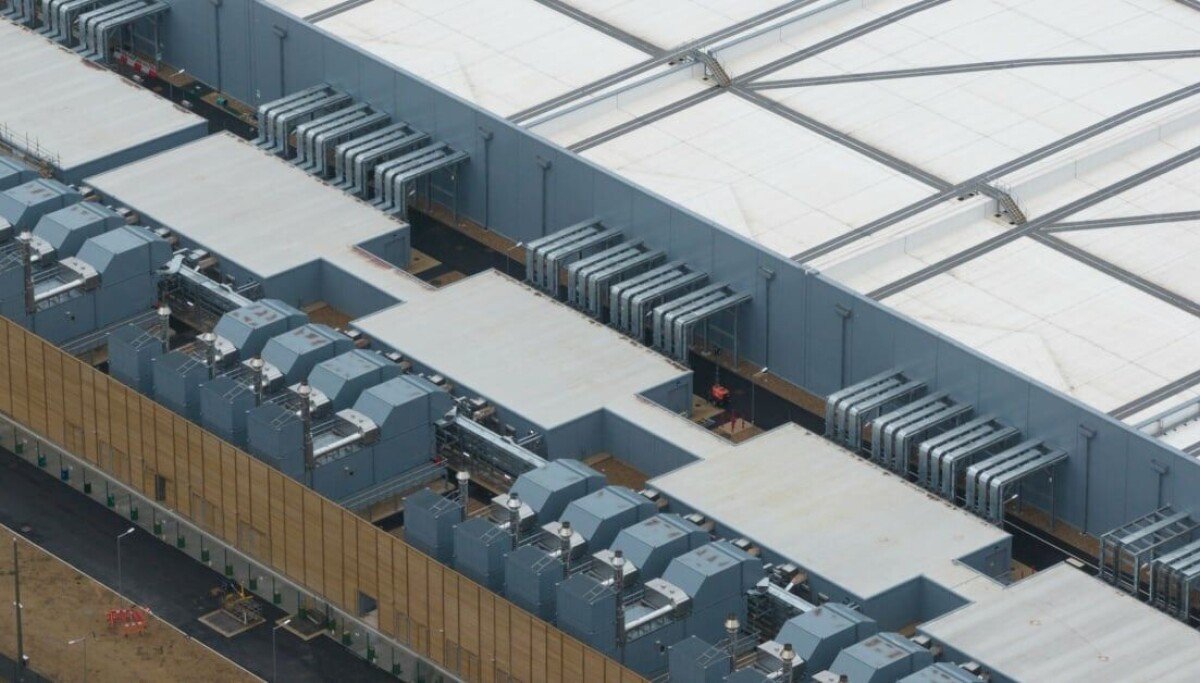
What respondents cite as the main problems
| Concern | Share of respondents |
|---|---|
| Increased water usage & strain on power grids | 50 % |
| Higher utility bills for households | 20 % |
| Traffic congestion & noise | 24 % |
| Fear of AI replacing jobs or acting without oversight | 20 % |
| Loss of farmland or natural habitat | 7 % |
The poll shows that resource consumption—especially water and electricity—is the dominant driver of opposition. While environmental impacts such as loss of farmland rank low overall, the survey notes that rural respondents may weigh those factors more heavily.
Political affiliation matters, but opposition is broad‑based
- Democrats: 56 % strongly opposed, 30 % somewhat opposed, 14 % in favor.
- Republicans: 39 % strongly opposed, 24 % somewhat opposed, 33 % in favor.
- Independents/others: 45 % strongly opposed, 28 % somewhat opposed, 27 % in favor.
Even among traditionally pro‑business Republicans, more than a third express strong resistance, indicating that the issue cuts across party lines.
Economic arguments are not convincing locally
Supporters of AI data centers point to potential job creation (55 % of pro‑center respondents) and increased tax revenue (13 %). However, industry analysts note that once a facility is operational it typically employs a limited number of local staff and often relies on tax incentive packages that can reduce state revenue by up to $1 billion annually.
Regulatory context and upcoming actions
- State‑level bans: Maine has already enacted a ban on new AI‑focused data centers, citing resource concerns.
- Federal guidance: The Department of Energy is reviewing draft guidance on water‑intensive computing facilities, expected to be released in Q4 2026.
- Local permitting: Several municipalities are tightening zoning codes to require detailed environmental impact assessments before approving data‑center projects.
Developers will need to address these regulatory trends by providing transparent resource‑use models, offering community benefit agreements, and engaging in early stakeholder outreach.
How the industry can improve its public image
- Publish real‑time resource dashboards that show water and power consumption against local baselines.
- Invest in renewable‑energy contracts that offset grid impact and are verifiable by third‑party auditors.
- Create local training programs that guarantee a pipeline of skilled jobs for residents, not just short‑term construction work.
- Collaborate with utilities to design demand‑response schemes that prevent grid overload during peak AI workloads.
Bottom line
The Gallup data makes clear that community acceptance cannot be assumed for AI data centers. While the digital services they support are essential, the physical footprint of the supporting infrastructure is now a political liability. Developers, state regulators, and federal agencies must work together to develop clear, resource‑focused compliance frameworks if the United States is to expand its AI computing capacity without triggering further NIMBY backlash.
For the full Gallup dataset and methodology, see the official Gallup report.
Comments
Please log in or register to join the discussion