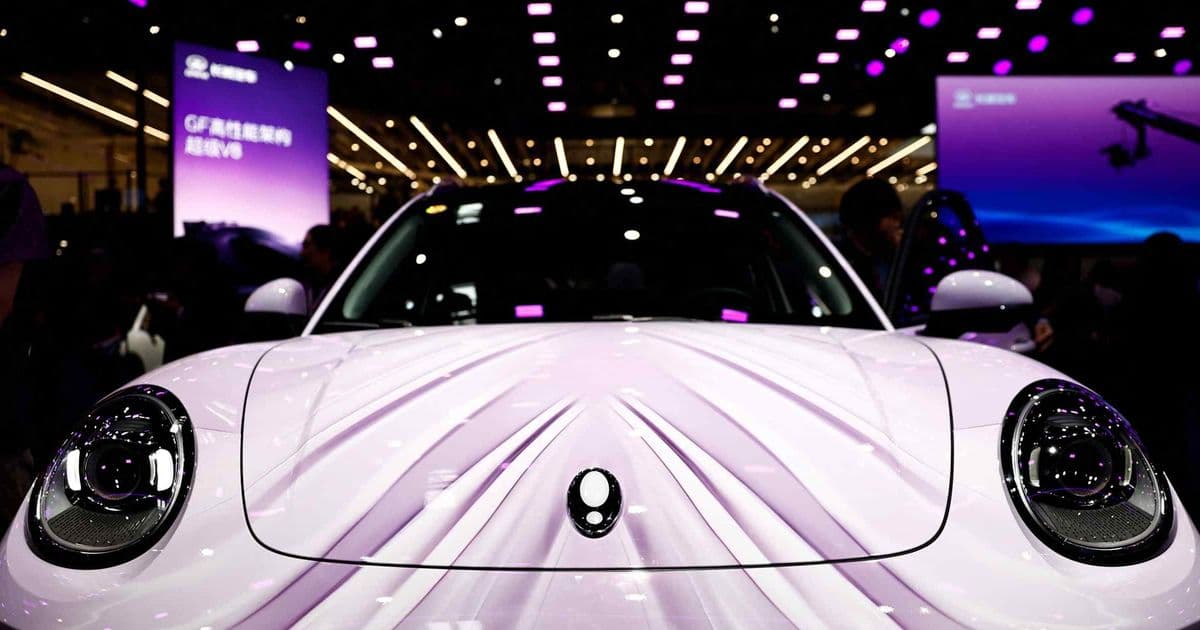
State subsidies in 2025 favored two Chinese carmakers—Great Wall Motor and BYD—who together received over ¥30 billion, while U.S.-sanctioned refiner Sinopec’s subsidiary secured a separate aid package. The allocations highlight shifting fiscal priorities amid local‑government debt stress and signal a push for export‑oriented growth in the auto sector.
Business news
Two Chinese automakers topped the 2025 government‑subsidy list for listed companies, according to data released by the Ministry of Finance. Great Wall Motor (stock code 601633) received ¥18.3 billion in direct cash grants and tax rebates, while BYD (stock code 1211) was allocated ¥12.7 billion. The combined total of ¥31 billion represents roughly 0.9 % of China’s 2025 fiscal budget for corporate incentives.
In a separate but related development, the U.S. Treasury’s Office of Foreign Assets Control (OFAC) lifted certain sanctions on Sinopec’s overseas refining arm, allowing it to access a ¥4.5 billion state‑funded liquidity facility. The move follows a high‑profile investigation linking the unit to Iranian oil shipments, and it marks the first time a sanctioned entity has been granted such support since the 2024 Iran‑U.S. tensions escalated.
Market context
Automotive subsidies
The Chinese government has been using subsidies to steer the auto industry toward higher‑value exports and to sustain domestic EV production capacity. In 2024, total automotive subsidies peaked at ¥45 billion, but fiscal tightening forced a 30 % cut in 2025. Despite the reduction, Great Wall and BYD retained the largest shares because both firms met the ministry’s “export‑growth” and “technology‑upgrade” criteria.
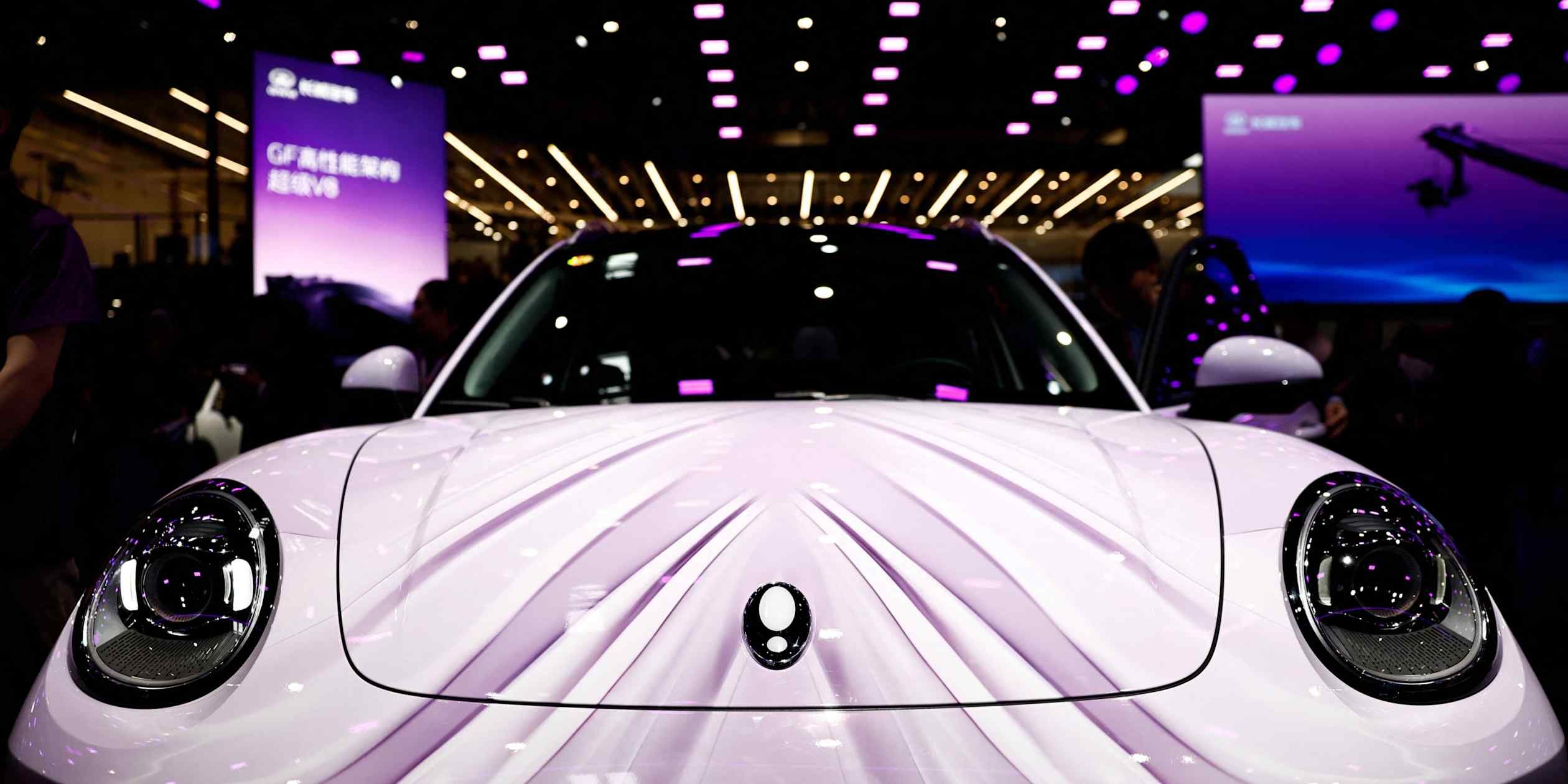
- Great Wall: The Ora 5, displayed at the Beijing auto show, is positioned for the European market. Export orders for the model rose 23 % YoY in Q4 2025, prompting the Ministry to prioritize its funding.
- BYD: Continued investment in its Blade Battery platform qualified the firm for a technology‑focused grant, aimed at reducing battery‑related safety incidents.
Fiscal pressure on local governments
Local authorities are confronting a $18.9 trillion cumulative debt load, up 7 % from the previous year, as property‑sector defaults erode tax revenues. The central government’s subsidy allocations are therefore being scrutinized for their multiplier effect on regional economies. Analysts at Caixin estimate that each yuan of auto subsidy generates ¥1.6 of downstream activity in parts manufacturing and logistics.
Sanctioned oil refiner
Sinopec’s subsidiary, previously barred from U.S. dollar transactions, received a ¥4.5 billion credit line tied to a strategic petroleum reserve replenishment program. The assistance is intended to stabilize domestic fuel supplies after a 12 % price spike in early 2025, which threatened to derail the government’s goal of keeping gasoline prices below ¥7.2 per liter.
What it means
- Export push for Chinese EVs – By channeling the bulk of subsidies to firms with overseas sales pipelines, Beijing is attempting to offset a slowing domestic demand cycle. If Great Wall’s export volume maintains its 23 % growth trajectory, the company could achieve ¥150 billion in export revenue by 2027, narrowing the gap with European EV rivals.
- Signal to sanction‑risk firms – The approval of a state‑backed credit line for a U.S.-sanctioned refiner suggests a willingness to protect critical energy infrastructure, even at the risk of diplomatic friction. Market participants should monitor whether similar relief is extended to other entities on the OFAC list.
- Fiscal strain on sub‑national budgets – With local debt approaching $19 trillion, the central government’s targeted subsidies may become a double‑edged sword. While they stimulate specific high‑tech sectors, they also divert scarce fiscal resources from essential public services, potentially prompting tighter budgetary controls in the next fiscal cycle.
- Investor outlook – For equity investors, the subsidy winners present a clearer earnings runway. Great Wall’s FY‑26 guidance now projects a 15 % increase in net profit, driven by higher export margins. BYD’s battery‑safety grant is expected to reduce warranty expenses by ¥1.2 billion annually.
Overall, the 2025 subsidy distribution underscores a strategic pivot: the Chinese state is concentrating limited fiscal firepower on firms that can generate foreign exchange, advance strategic technologies, and shore up energy security, even as local governments grapple with mounting debt burdens.
Comments
Please log in or register to join the discussion