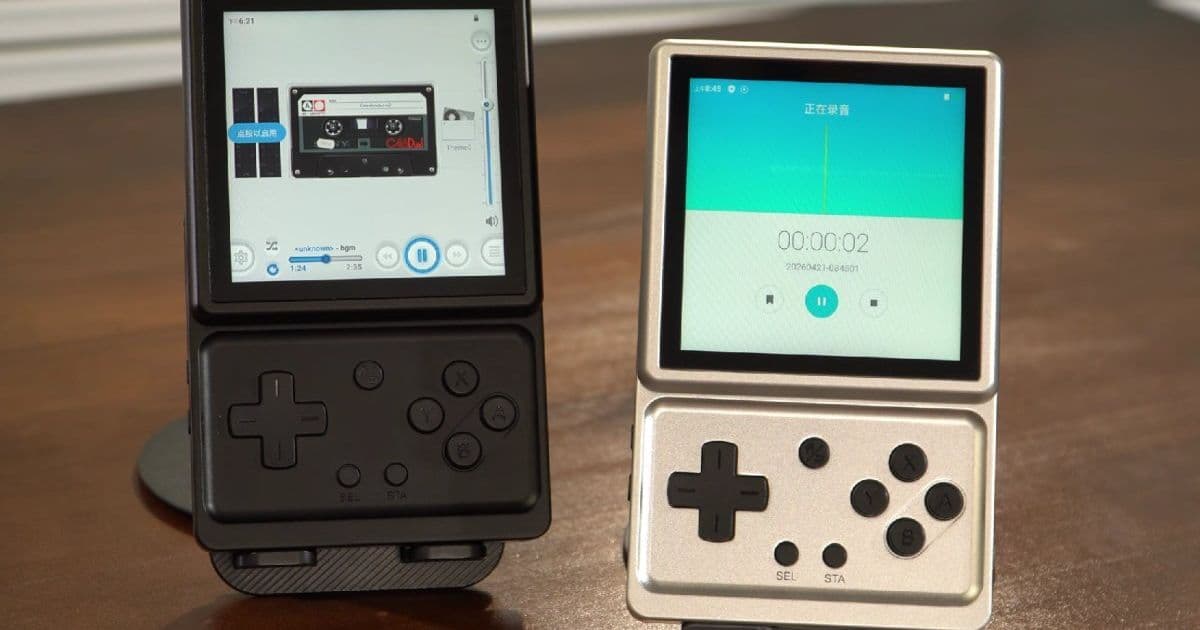
The RG Rotate launches at $83‑$100, offering a 3.5‑inch 720×720 screen on a hinge, Android 12, and a Unisoc Tiger T618 chipset. Its modest specs suit retro emulation, while the flip‑out design adds portability, but developers should be aware of limited performance for newer titles.
New hardware update – Anbernic RG Rotate now ships for $83 and up
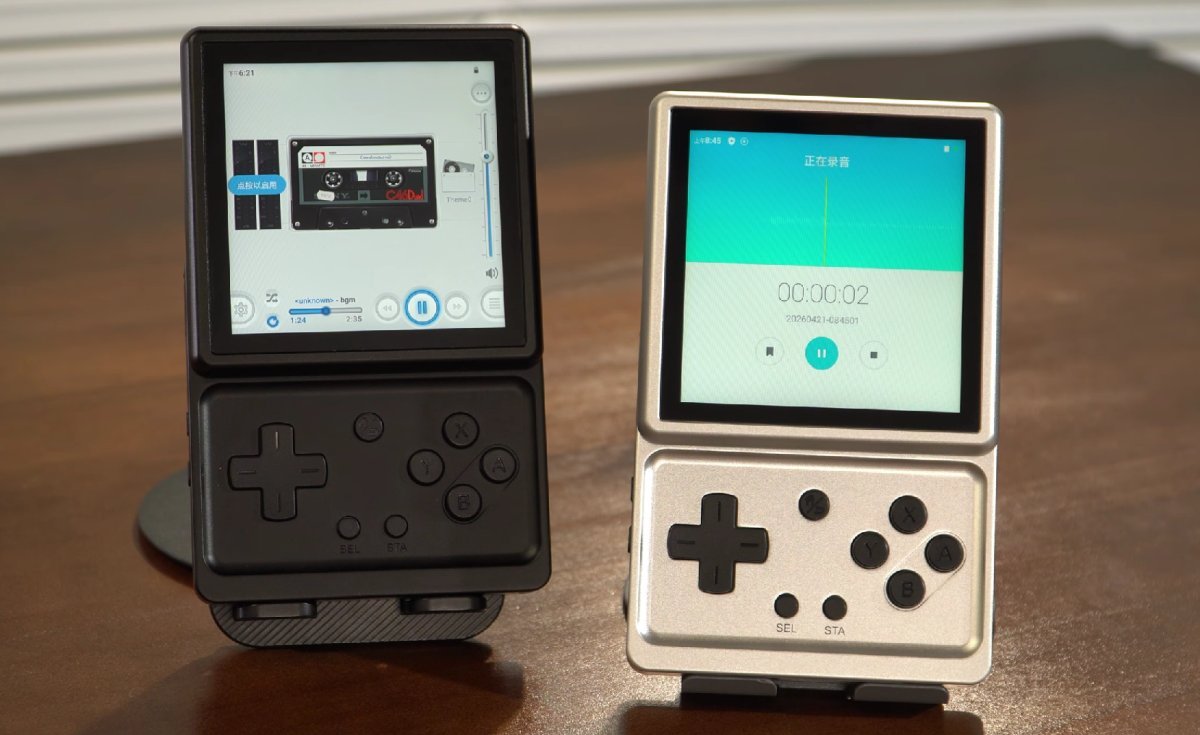 Anbernic has moved the RG Rotate from prototype to retail, pricing the base black‑aluminum model at $83 (a $5 launch discount) and the premium all‑aluminum silver version at $100. The device arrives with a 3.5‑inch, 720 × 720 pixel touchscreen that folds down over the gamepad, shrinking the handheld to a pocket‑sized 80 × 80 × 21.6 mm when closed.
What developers need to know – platform and performance
The RG Rotate runs an Android 12‑based OS, meaning any app that can run on modern Android phones will launch on the device. However, the hardware limits what you can realistically target:
- CPU / GPU: Unisoc Tiger T618 – two Cortex‑A75 cores @ 850 MHz, six Cortex‑A55 cores, and a Mali‑G52 GPU. This combination is adequate for 2D emulators and light 3D titles (e.g., PS2, Wii) but will struggle with demanding Android games that rely on higher clock speeds or newer GPU features.
- Memory: 3 GB LPDDR4. The OS itself consumes roughly 1 GB, leaving about 2 GB for games and background services. Heavy Unity or Unreal Engine titles will quickly hit memory pressure.
- Storage: 32 GB internal flash, expandable via microSD up to 2 TB. For developers distributing large asset bundles, recommend offering a download‑on‑demand option that stores data on the SD card.
- Input: D‑Pad, four action buttons, three extra keys, and two shoulder triggers. No analog sticks, which limits compatibility with games that expect analog input (e.g., many modern shooters). The built‑in 6‑axis gyroscope can be used for motion controls, but the small screen makes precise aiming difficult.
- Connectivity: Wi‑Fi 5 (802.11ac) and Bluetooth 5.0. These are sufficient for cloud‑gaming or multiplayer, but the 2 000 mAh battery will likely give only 4‑5 hours of continuous emulation.
Because the device boots a standard Android image, you can test your app with the Android Emulator using a custom device profile that mirrors the RG Rotate’s screen size, resolution, and CPU architecture (ARM64). This helps catch UI scaling issues early.
Migration considerations for existing Android games
If you already have an Android title on the Play Store and want to support the RG Rotate, follow these steps:
- Add a screen‑size qualifier – Create a
layout-sw720dpfolder to provide a UI that fits the 720 × 720 square display without excessive letterboxing. - Optimize graphics – Switch texture compression to ASTC or ETC2 and provide a low‑resolution asset bundle (e.g., 480 p) that can be selected at runtime for devices with < 1 GB of free RAM.
- Disable analog‑only controls – Map any analog‑stick input to the D‑Pad or provide an on‑screen joystick fallback for titles that require it.
- Test memory usage – Use Android Studio’s profiler to ensure your app stays under ~1.5 GB of RAM on a 3 GB device. Consider lazy‑loading large levels.
- Package for ARM64‑v8a – The Tiger T618 is an ARM64 chip, so include a native arm64 build of any native libraries you ship.
Why the flip‑out design matters for developers
The hinge mechanism lets the screen cover the button layout, turning the RG Rotate into a tiny media player or clock when closed. From a software perspective, this means:
- Dual‑mode UI: Detect the screen‑fold state via the
android.hardware.display.DisplayManagerAPI. When the screen is folded, you can switch to a “media‑only” UI that hides game controls. - Touch‑first interaction: In closed mode the device is essentially a touch‑only slab. Apps that rely heavily on physical buttons should gracefully degrade to touch gestures.
- Battery‑saving mode: When folded, you can dim the display and pause background services, extending battery life for non‑gaming use cases.
Bottom line
The Anbernic RG Rotate offers an inexpensive entry point for retro‑gaming enthusiasts and a quirky form factor for Android developers experimenting with compact UI designs. Its Android 12 base makes app deployment straightforward, but the modest Tiger T618 chipset, limited RAM, and lack of analog sticks restrict it to 2D/retro 3D emulation and lightweight native games. If your app can adapt to a small square screen and operate within tight memory budgets, the RG Rotate is a viable additional testing device and a potential niche market for retro‑style titles.
Further reading
- Official product page: https://www.anbernic.com/rg‑rotate
- Detailed spec sheet (PDF): https://www.anbernic.com/rg‑rotate‑specs.pdf
- Android developer guide for foldable devices: https://developer.android.com/guide/topics/ui/foldables
Comments
Please log in or register to join the discussion