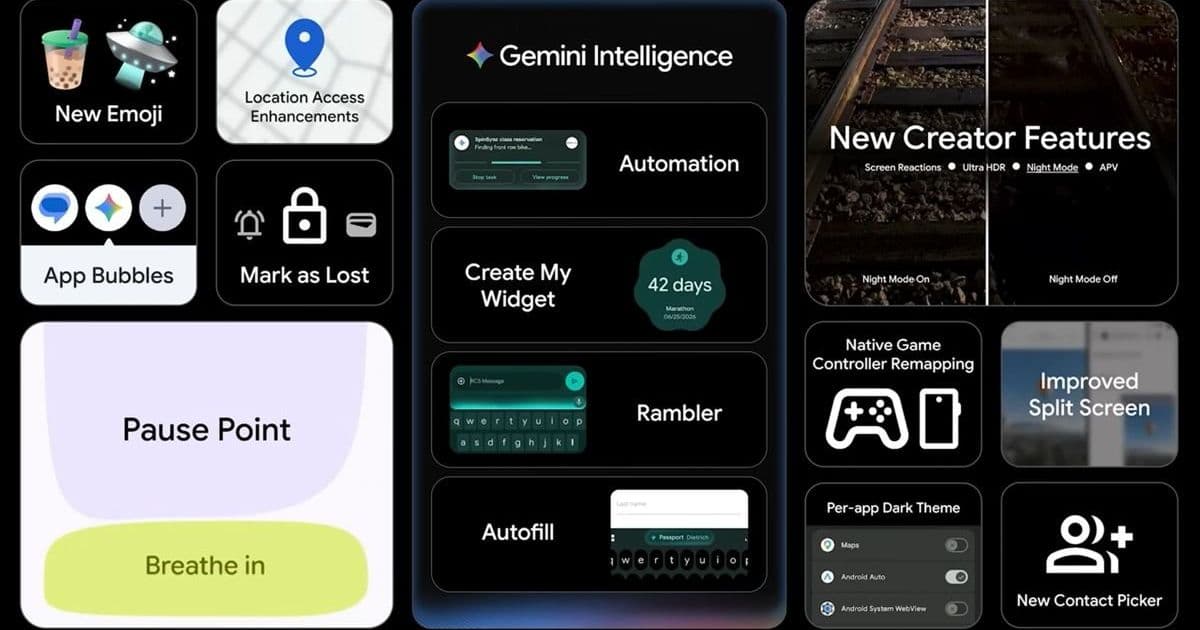
Google’s Android 17 rollout gives Pixel owners new multitasking, tighter family controls and a handoff feature aimed at phones, tablets and larger Android devices.
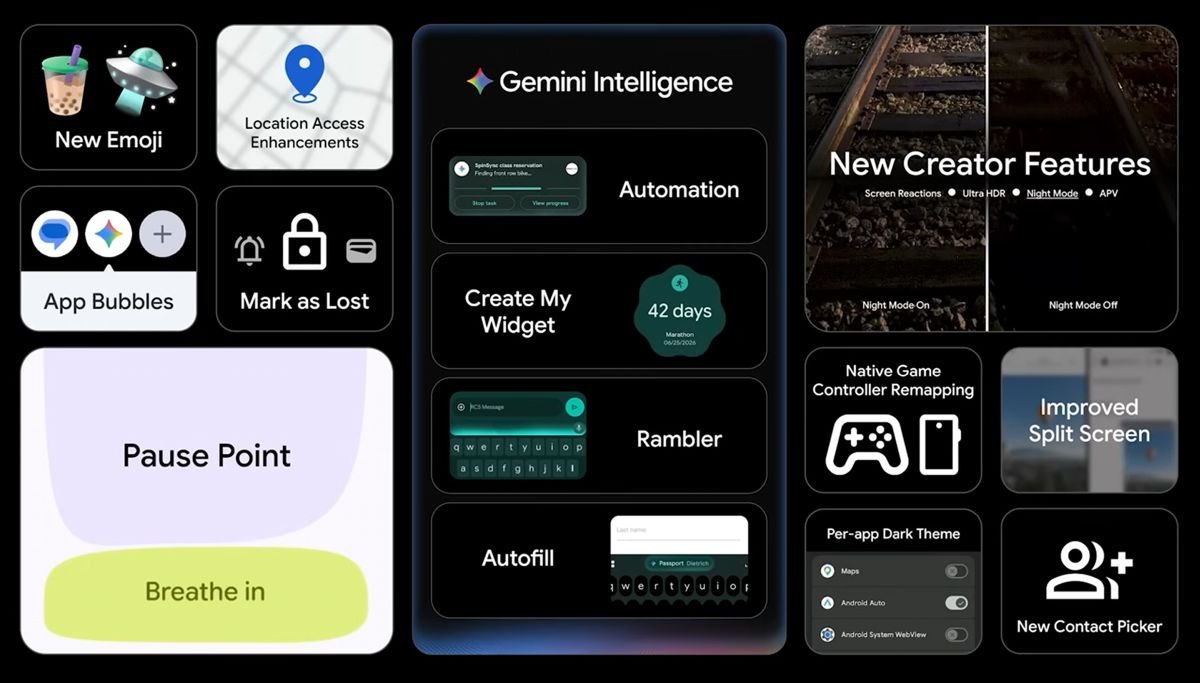
Google has begun rolling out Android 17 to select Pixel phones, with more Android devices due to receive the update after device makers finish their builds and carrier testing.
The release gives Android developers a clearer signal about Google’s priorities for large screens and cross-device work. Android 17 adds floating app windows called bubbles, new security tools, stronger parental controls and a Continue On feature that lets you resume work on another Android device.
For app teams, the multitasking change deserves attention first. Floating windows put more pressure on responsive layouts, lifecycle handling and state restoration. An app that behaves well on a phone screen can expose layout gaps once users place it beside another app or resize it on a tablet-class display.
Teams maintaining Android apps should test Android 17 on Pixel hardware and review guidance from Android Developers. Apps with media playback, chat, note-taking, browsing, editing or productivity flows need extra testing because users will expect those sessions to survive window changes and device handoff.
Continue On also pushes Android closer to a multi-device workflow. A user can start on a phone and pick up on a tablet or larger Android device, including the kind of laptop-style Android hardware the Liliputing item refers to as a “Googlebook.” Developers who already persist task state, sync account data and handle deep links should have fewer changes to make. Apps that keep too much work in memory will need stronger restoration paths.
Security and parental controls add another layer for app teams. Developers should test account switching, restricted profiles, permissions prompts and background behavior on Android 17 before they mark apps as ready. Family and education deployments often uncover edge cases that consumer testing misses.
The Liliputing roundup also flags two hardware items: a Microsoft Surface device with Qualcomm’s Snapdragon X2 and a phone-like LoRa development kit. The supplied excerpt does not include specifications for either product, so developers should wait for vendor documentation before planning app or accessory support around those devices.
The Android 17 rollout gives cross-platform teams a practical migration checklist: install the SDK when Google publishes the stable tools, run UI tests across phones and tablets, verify task restoration, test permissions and parental controls, and watch OEM schedules for Samsung, OnePlus, Motorola and other Android partners.
Comments
Please log in or register to join the discussion