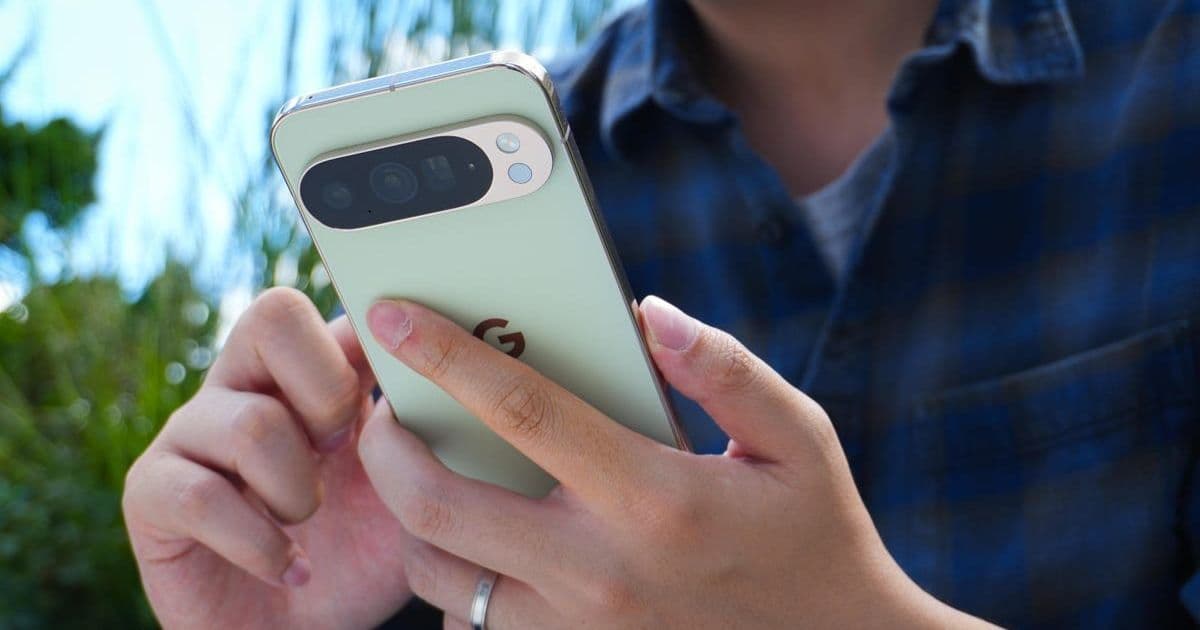
Google's latest update rolls out Bluetooth LE Audio with Auracast to more Android phones, enabling seamless audio broadcasting to multiple headphones. This free upgrade breaks down ecosystem barriers, allowing users to share music, videos, and podcasts privately with friends or in public spaces. As support expands to devices like Pixel and Samsung, it heralds a new era of collaborative listening.
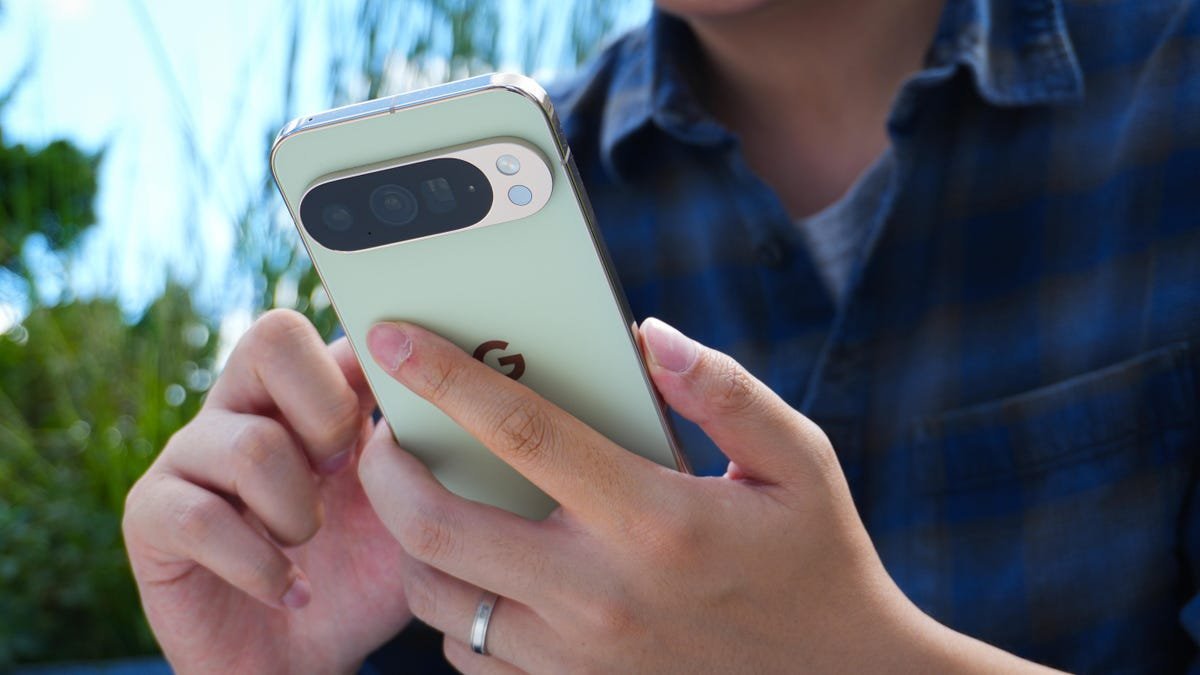
For years, sharing audio from a single device required tangled cables or restrictive brand ecosystems. That friction is now dissolving: Google's widespread rollout of Bluetooth LE Audio with Auracast transforms Android phones into personal broadcast hubs. This free update, detailed in a recent ZDNET report, empowers users to stream audio to an unlimited number of compatible headphones—democratizing shared experiences from movie nights to gym sessions. But how does it work, and which devices make the cut?
The Technology Behind the Magic
Auracast leverages Bluetooth Low Energy (LE) Audio, a protocol designed for efficiency and versatility. Unlike traditional Bluetooth, Auracast allows one smartphone to act as a transmitter, broadcasting audio to nearby receivers without complex pairing. Users initiate a session via their phone, generating a QR code or using Google Fast Pair. Friends then scan the code or accept a prompt to join—instantly piping the phone's audio (whether music, podcasts, or videos) into their earbuds. This isn't just convenient; it enhances accessibility. As Jada Jones notes in the ZDNET article, "Auracast support for hearing aids has already enabled private listening in public venues like theaters and airports."
Compatibility: Which Devices Support It?
Not all hardware can tap into this yet. The update targets modern Android flagships, with confirmed support for:
- Smartphones: Google Pixel 8 and newer (including Pixel 10), Samsung Galaxy S23/S24/S25 series, and Galaxy Z Fold 5/6/7. Select Xiaomi and Poco models also work, though they lack U.S. carrier backing.
- Headphones/Earbuds: Samsung Galaxy Buds 3 Pro, JBL Tour One M3, Sennheiser Accentum True Wireless, and Sony WF-1000XM5. As the technology matures, expect more brands to join the list.
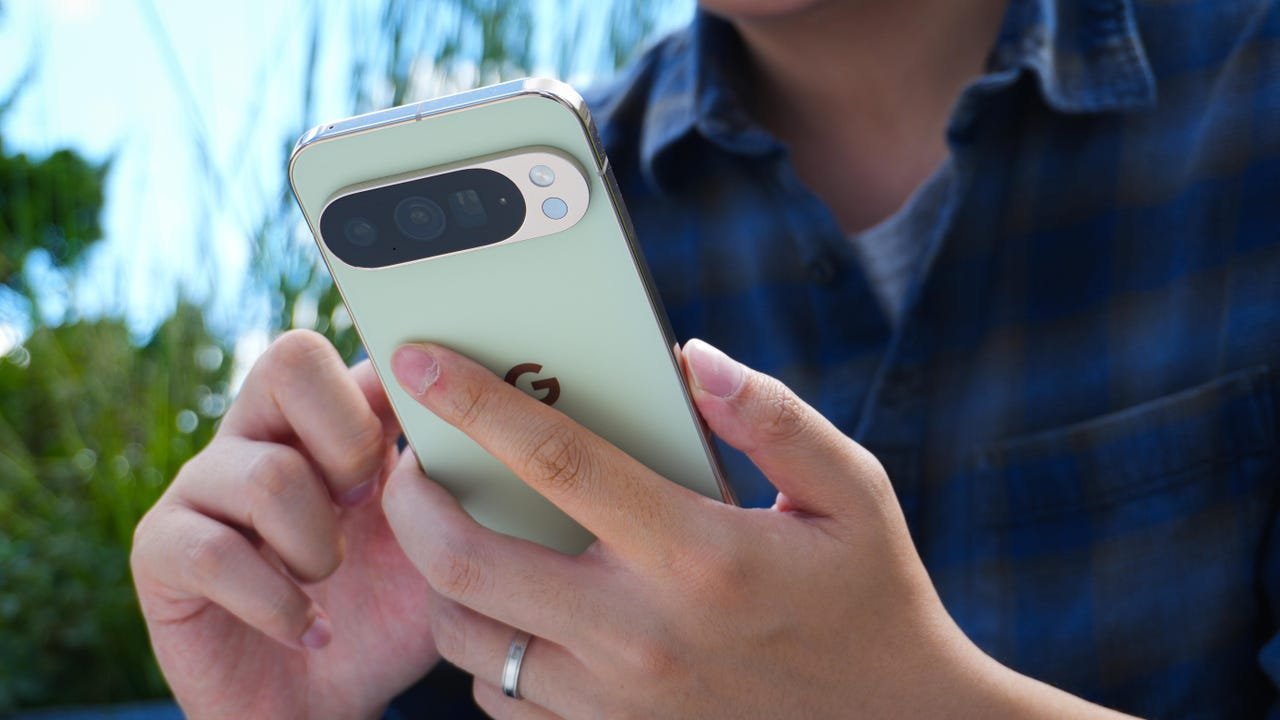 The Google Pixel 10 Pro, one of the devices leading the Auracast charge.
Why This Matters Beyond Convenience
Auracast’s implications stretch far beyond sharing a viral TikTok. It addresses fragmentation in the Bluetooth ecosystem, allowing cross-brand compatibility—imagine Apple AirPods users joining an Android broadcast. Public venues are slowly adopting it for silent discos or assistive listening, though infrastructure rollout lags behind device support. Privacy remains a win: broadcasts are secure and user-controlled, unlike open Wi-Fi streams. For developers, this opens doors for apps that leverage multi-listener audio, from collaborative gaming to language translation in real-time.
The quiet arrival of Auracast signals a shift toward more inclusive, frictionless tech. As hardware support widens, our headphones won’t just be personal bubbles—they’ll be gateways to shared moments, one broadcast at a time.
Source: ZDNET
Comments
Please log in or register to join the discussion