
Anthropic is testing a web version of its Claude Code AI coding assistant, expanding beyond the terminal to challenge tools like OpenAI's GPT Codex. The preview requires GitHub integration, forcing developers to install a dedicated app and commit workflow files, signaling a push toward deeper ecosystem embedding. This move could democratize AI-assisted coding but raises questions about accessibility and synergy with existing tools.
For developers entrenched in AI-powered coding, Anthropic's Claude Code has been a terminal-bound powerhouse—until now. The AI firm is rolling out a web-based iteration of Claude Code, positioning it as a direct competitor to OpenAI's GPT Codex, but with a twist: full access hinges on GitHub integration. This shift marks a strategic play to capture more of the developer workflow, from bug fixes to Git operations, while testing the waters of broader accessibility.
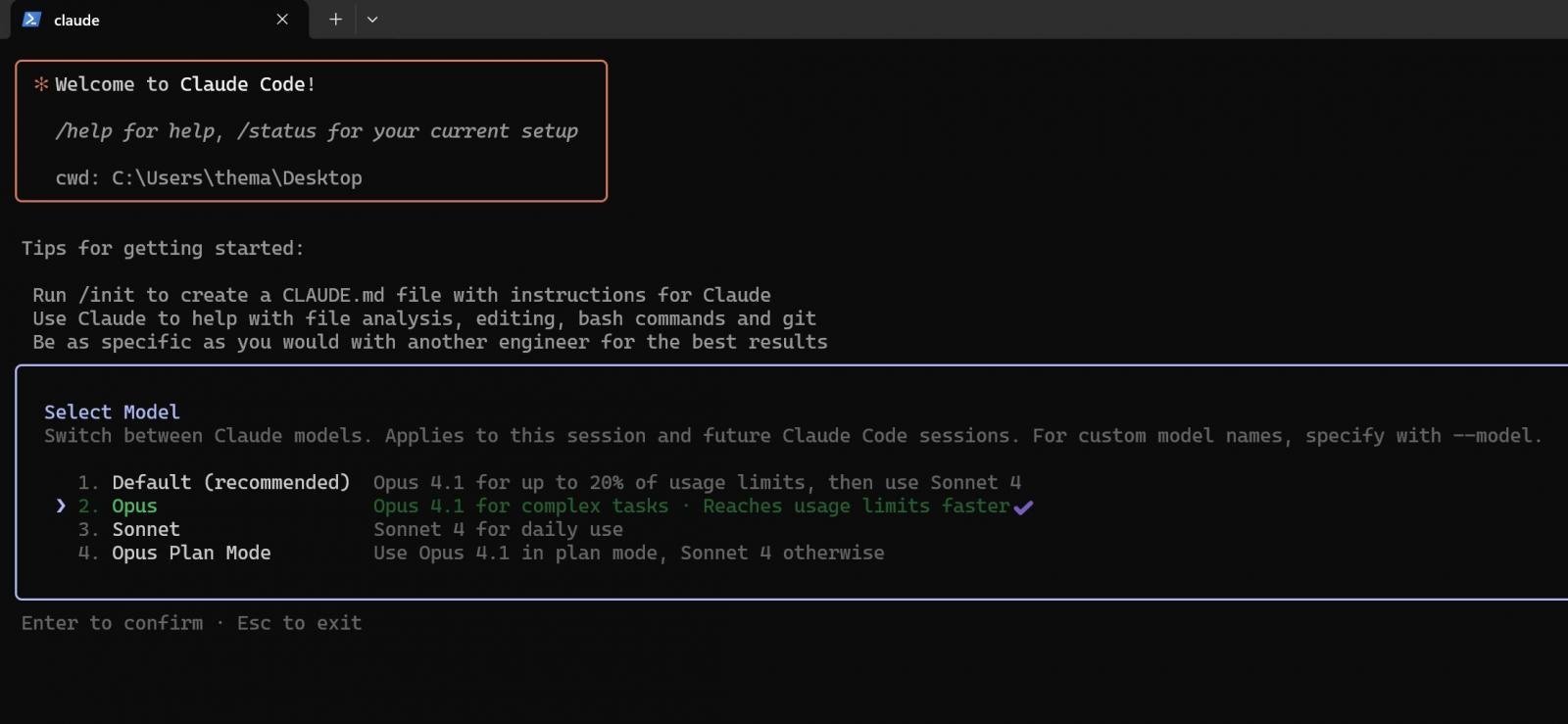
Currently, Claude Code operates exclusively in the terminal for paid subscribers, leveraging Anthropic's AI to comprehend entire codebases and automate complex tasks like testing or refactoring. As captured in the image below, it integrates smoothly with editors like VS Code but remains confined to local environments.
The new web app, available in research preview at claude.ai/code, introduces a prompt composer interface but mandates GitHub setup. Users must install the GitHub Claude app on their repositories and commit a "Claude Dispatch" workflow file, enabling notifications for updates. This requirement suggests Anthropic is prioritizing secure, version-controlled collaboration, yet it excludes developers not using GitHub. Early reports hint at potential siloing—details on data sync between the terminal and web versions remain unclear, risking fragmented user experiences.
Why does this matter? Claude Code's expansion reflects the intensifying battle in AI-assisted development, where tools like GPT Codex dominate browser-based workflows. By anchoring access to GitHub, Anthropic could attract enterprise teams focused on CI/CD pipelines but may alienate solo developers or those in Git-agnostic environments. As one industry insider noted: "Forcing GitHub integration is a double-edged sword—it streamlines collaboration but could stifle adoption in diverse tech stacks."
This launch arrives amid Anthropic's aggressive push against rivals, with Claude recently supporting 1 million tokens and targeting harmful use cases. If the web app stabilizes, it could accelerate AI's role in democratizing coding, turning complex tasks into conversational commands. Yet, the true test lies in balancing innovation with inclusivity, ensuring tools like Claude Code empower—not gatekeep—the future of development.
Source: BleepingComputer
Comments
Please log in or register to join the discussion