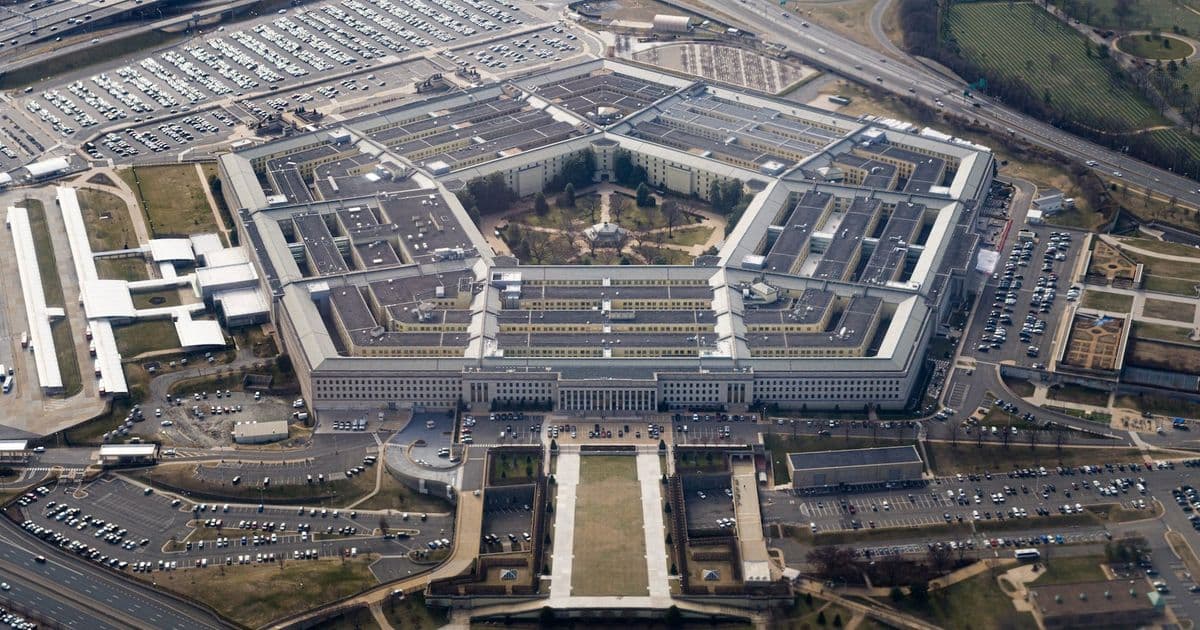
Anthropic refuses to ease Claude's military usage restrictions despite Pentagon threats, maintaining its ethical stance on AI deployment in warfare.
Anthropic has firmly rejected Pentagon demands to loosen restrictions on its Claude AI model's military applications, even as Defense Secretary Pete Hegseth threatened to invoke the Defense Production Act or label the company a "supply chain risk" if it doesn't comply by Friday evening.
Pentagon Escalates Pressure on AI Labs
The confrontation highlights growing tensions between the U.S. military and leading AI companies over access to cutting-edge artificial intelligence technology. According to sources familiar with the matter, Hegeth gave Anthropic CEO Dario Amodei an ultimatum: provide "unfettered access" to Claude for military purposes or face federal intervention.
This aggressive stance represents a significant shift in how the Pentagon approaches AI procurement. Rather than negotiating terms or developing in-house capabilities, military officials appear willing to use regulatory and economic pressure to force compliance from private companies.
Anthropic's Ethical Stance Under Fire
Anthropic has built its reputation on responsible AI development, implementing strict usage guidelines that explicitly prohibit military applications. The company's position reflects broader concerns about autonomous weapons systems and the ethical implications of deploying advanced AI in combat scenarios.
"Anthropic has no intention of easing its usage restrictions for military purposes," said a person familiar with the company's position. This stance puts Anthropic at odds with other major AI labs that have been more willing to work with defense contractors and military agencies.
The company's resistance comes despite the Pentagon's significant leverage. The Defense Production Act could force Anthropic to prioritize military contracts, while "supply chain risk" designation could restrict the company's access to government contracts and partnerships.
Industry-Wide Implications
The standoff raises questions about the future of AI development in the United States. As the Pentagon seeks to maintain technological superiority over China and Russia, it faces resistance from companies that view military applications as crossing ethical boundaries.
Other AI companies are watching closely. OpenAI, Google DeepMind, and smaller labs must now consider whether to follow Anthropic's principled stand or pursue lucrative military contracts that could fund further research and development.
Technical and Strategic Considerations
The Pentagon's demand for "unfettered access" to Claude suggests military planners see significant value in the model's capabilities. Claude's advanced reasoning, language understanding, and task-completion abilities could enhance intelligence analysis, strategic planning, and operational coordination.
However, Anthropic's restrictions likely stem from concerns about autonomous decision-making in combat situations. The company may fear that even well-intentioned military applications could lead to unintended consequences or escalation.
Broader Context: AI Arms Race
This confrontation occurs against the backdrop of an intensifying global AI arms race. The United States, China, and Russia are all investing heavily in military AI applications, from autonomous drones to cyber warfare capabilities.
The Pentagon's aggressive tactics suggest U.S. military leaders believe they're falling behind in this technological competition. Rather than developing capabilities internally or through traditional defense contractors, they're turning to Silicon Valley's cutting-edge AI labs.
What's at Stake
The outcome of this standoff could shape the future of AI development and military technology for years to come. If Anthropic prevails, it may encourage other companies to maintain ethical boundaries. If the Pentagon succeeds, it could establish a precedent for government intervention in AI development.
For Anthropic, the stakes are particularly high. The company has positioned itself as the "ethical" AI lab, but this principled stance could cost it access to government funding, partnerships, and potentially even the ability to operate in the United States.
Industry Response
Other tech companies have been largely silent on the issue, though industry observers note that Anthropic's position could influence how other AI labs approach military partnerships. The company's willingness to potentially sacrifice growth for ethical principles sets a precedent that others may feel compelled to follow.
Looking Ahead
The Friday deadline looms large, but even if Anthropic holds firm, this confrontation is unlikely to be the last. As AI capabilities advance and military applications become more sophisticated, similar conflicts between ethical considerations and national security interests will likely multiply.
The tech industry and the Pentagon appear headed for a prolonged negotiation over the role of artificial intelligence in modern warfare. Anthropic's current stand may be just the opening salvo in what promises to be a defining debate of the AI era.
Related Developments
While this confrontation unfolds, the broader AI industry continues to evolve rapidly. Anthropic recently unveiled Claude Cowork updates, introducing new plugins for HR, investment banking, and design fields. The company is also expanding its enterprise partnerships, integrating Claude with apps like Slack, Intuit, and DocuSign.
These commercial developments stand in stark contrast to the military standoff, highlighting the complex landscape Anthropic navigates as it balances ethical principles with business growth and technological advancement.
Comments
Please log in or register to join the discussion