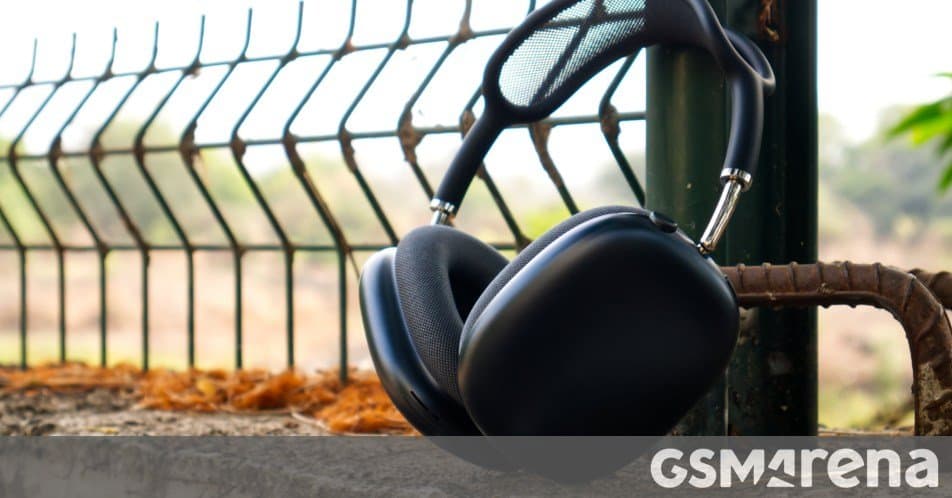
Six years after the original release, Apple's AirPods Max 2 arrives with minimal design changes but improved active noise cancellation and audio quality. The premium over-ear headphones maintain their $549 price point while addressing some but not all of the comfort and functionality concerns from previous generations.
Apple has finally launched the AirPods Max 2, six years after the original model first dropped in 2020. At first glance, these might seem identical to their predecessors, and unfortunately in many ways they are. However, Apple promises advancements through the updated Apple H2 processor, bringing improved active noise cancellation, audio quality, and additional features. But is that enough for a $549 price tag in a competitive premium headphone market?
Design: Familiar Aesthetics with Premium Build
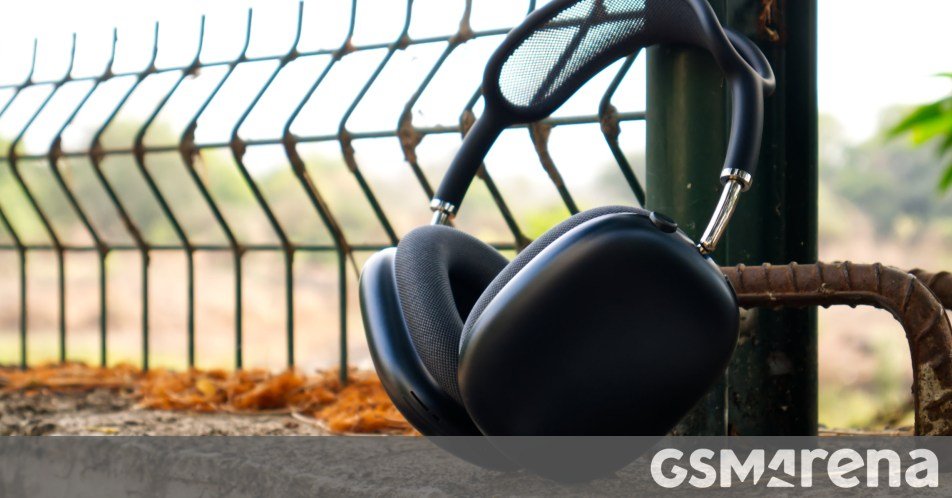
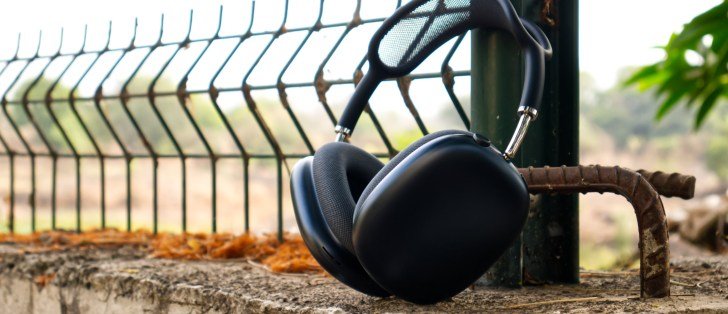
The AirPods Max 2 design is identical to the original 2020 model, carrying over the new colors introduced in the 2024 update. Visually, these are some of the most handsome headphones on the market, blending classic aviation headset aesthetics with Apple's industrial design sensibilities. The headband uses a taut cloth mesh suspended in a downward curve, extending to reveal beautifully polished metal yokes that maintain a delicate but sturdy connection with the ear cups.
The ear pads are magnetically attached for easy removal and replacement, while antennas are hidden on the bottom of the ear cups to preserve aesthetics. The digital crown and listening mode button mirror their counterparts on other Apple products, creating a perfectly symmetrical design with only the physical controls and USB port on the right ear cup breaking the symmetry.
While aesthetics receive full marks, there are fundamental drawbacks. The symmetrical design doesn't account for the natural angle of human ears, and the limited headband adjustability excludes users with larger heads. The Smart Case, unchanged since launch, covers only the ear cups but offers practical benefits of compact storage and frequent use. Build quality is exceptional, with the aluminum ear cups, fluid joints, and tactile controls showcasing the premium price point, though concerns about condensation accumulation and potential headband fabric sagging remain.
Comfort: Weight and Fit Challenges
At 386g, the AirPods Max 2 are notably heavy. Most of the weight concentrates in the ear cups, but the substantial mass introduces additional inertia to neck movements. The headphones clasp aggressively around the ears with significant clamping force, ensuring they stay in place but making users constantly aware of their presence. The coarse fabric texture of the ear cups initially feels uncomfortable against the skin and produces noticeable friction with facial hair.
The limited headband adjustability creates discomfort not only during use but also when wearing the headphones around the neck. These issues represent missed opportunities for improvement in the second-generation model, with a 30% weight reduction significantly enhancing accessibility.
Software and Features: Apple Ecosystem Integration
Like other AirPods models, the AirPods Max 2 are designed primarily for Apple devices. While functional with Windows, Linux, or Android products, users lose significant functionality. The headphones feature dedicated menus on compatible Apple devices for adjusting ANC modes, head gestures, Spatial Audio, and Find My functionality.
The AirPods Max 2 include new features like Adaptive Audio, loud sound reduction, Live Translation, and voice isolation that were absent in previous generations. However, they still lag behind the AirPods Pro 3, which offers Hearing Test, Hearing Aid with automatic conversion boost, hearing protection, and heart rate monitoring. The firmware updates remain automatic, with no manual update option available.
Performance: Audio Quality with Compromises
The AirPods Max 2 use Apple-designed dynamic drivers carried over from previous models with a new custom high dynamic range amplifier. They support SBC and AAC codecs over Bluetooth 5.3, with wired connectivity via USB-C to USB-C or Apple's USB-C to 3.5mm audio cable with built-in DAC/ADC.
The audio quality presents a mixed experience. The frequency response is V-shaped, with emphasis on sub-bass that avoids spilling into the lower midrange but can become excessive with content rich in low-frequency information. Notably, there's a substantial dip in the upper-mid and lower-treble regions around 3,000-5,500Hz, creating a murkier presentation for certain content. The upper-treble elevation compensates but often adds sibilance and hiss, making some tracks uncomfortably shrill.
Detail reproduction is average, and imaging is unconvincing, with sound mostly contained within the ear cups unless listening to Spatial Audio content. Adaptive EQ compensates for hearing inconsistencies at different volumes, while Adaptive Audio adjusts to specific fit and ears using internal microphones.
Microphone Quality
The AirPods Max 2 deliver exceptional microphone performance in quiet environments, rivaling wired microphones in clarity. In noisy environments, they prioritize audio quality over background noise reduction, similar to the AirPods Pro 3, maintaining voice clarity while allowing some background noise to come through.
Noise Cancellation: Improved but Not Perfect
The updated active noise cancellation, thanks to the Apple H2 chip, performs exceptionally well with household noises like fans, air conditioners, and televisions. However, it can feel uncomfortable in already quiet environments, with the combination of ear cup pressure and strong ANC creating a sense of eardrum duress. The transparency mode doesn't match the quality of the AirPods Pro 3, sounding artificially boosted with more buffeting noise from wind and air movement. The Adaptive mode provides a useful middle ground between transparency and ANC.
Connectivity: Apple Ecosystem Advantage
Wireless connectivity performance is exceptional, with rock-solid connections and seamless handover between Apple devices. The lossless wired mode, however, shows no meaningful audio quality improvement over wireless, suggesting the main audio quality bottlenecks are in the drivers and processing rather than codecs. Compatibility varies by platform, with full functionality on Mac and iPhone, reduced functionality on Windows, and poor performance on Android with volume sync issues and persistent popping sounds.
The headphones operate exclusively at 24-bit, 48kHz in wired mode, raising questions about Apple's lossless audio claims when source material requires up- or down-sampling. The microphone doesn't function in wired mode on any platform.
Battery Life: Modest for Full-Size Headphones
With a rated 20-hour battery life, the AirPods Max 2 fall short of competitors offering at least 30 hours. Testing achieved 21 hours and 36 minutes with ANC enabled, slightly above but not significantly improving upon the claim. The quick charge feature provides 3 hours and 25 minutes of listening after a 10-minute charge, offering practical benefits for extended use scenarios.
The lack of a power button means headphones must be placed in the Smart Case to power off. While battery drain when outside the case is minimal (1% over 8 hours in testing), forgetting to store them can result in a dead battery after extended periods.
Conclusion: Niche Appeal with Compromises
The AirPods Max 2 presents a perplexing product proposition. Logically, it doesn't make sense to purchase these headphones even within Apple's own ecosystem, as the AirPods Pro offer better performance in most aspects at a lower price point. Yet the design and construction quality, excellent noise cancellation, and seamless Apple ecosystem integration create a specific appeal for certain users.
Six years after the original release, the AirPods Max 2 does little to address the comfort and reliability concerns of its predecessors. The high price remains the primary barrier, but for those seeking a premium full-sized headphone from Apple regardless of cost, these headphones satisfy a very specific niche.
For more information on Apple's audio products, visit Apple's official AirPods page.
Comments
Please log in or register to join the discussion