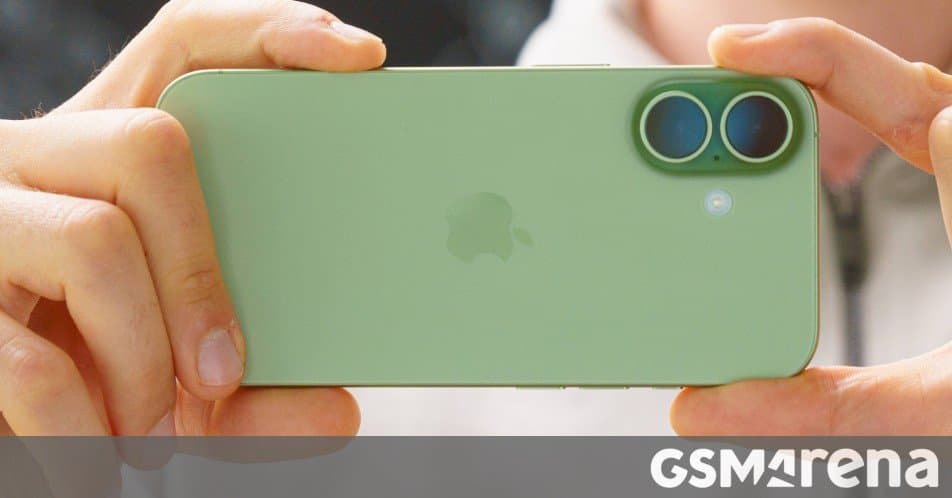
Counterpoint Research reports that one in four active smartphones globally was an iPhone in 2025, with Apple and Samsung collectively holding 44% market share due to strong ecosystem integration and device longevity.
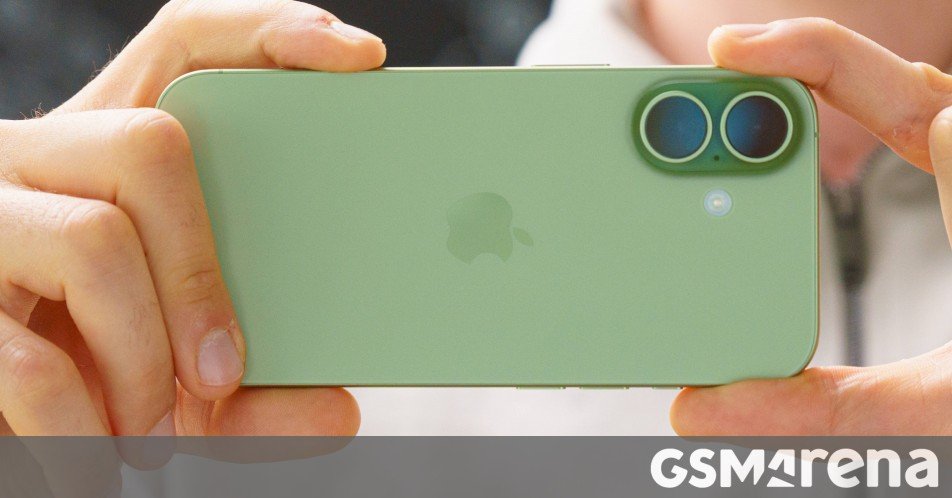
Apple has solidified its dominance in the global smartphone market, with the iPhone now representing 25% of all active smartphones worldwide according to Counterpoint Research's 2025 Installed Base Tracker. This metric—tracking devices currently in use—highlights Apple's exceptional user retention and ecosystem lock-in, surpassing raw sales figures to reveal real-world adoption patterns.
The Billion-Device Club
Apple and Samsung stand alone as the only manufacturers in the "billion active devices club," jointly accounting for 44% of global active smartphones. Their success stems from vertically integrated ecosystems that create lasting user loyalty. iPhones benefit from Apple's industry-leading 5-7 years of iOS updates, extending device lifespans significantly. This contrasts with most Android manufacturers, where even flagship devices typically receive only 3-4 years of OS support. Combined with services like iCloud, Apple Music, and the App Store's exclusive features, switching costs become substantial—a phenomenon Counterpoint attributes directly to Apple adding more net new active devices in 2025 than the next seven OEMs combined.
Mid-Tier Competition Intensifies
Xiaomi secured third place by offering diverse devices across price tiers while expanding its ecosystem through smart home products and wearables. Oppo and Vivo followed closely, leveraging aggressive hardware innovation in cameras and fast charging alongside their own service layers. Transsion Group (Tecno, Itel, Infinix) claimed sixth position through explosive growth in emerging markets like Africa and Southeast Asia, where budget-friendly devices with multi-day battery life resonate strongly.
Huawei and Honor rounded out the top eight, with Honor recently surpassing 200 million active devices despite geopolitical challenges. Analysts note Motorola and Realme are approaching this milestone, indicating intensified competition in ecosystem development among second-tier brands.
The Longevity Advantage
Apple's lead underscores how software support duration directly impacts active device share. An iPhone 11 from 2019 still runs the latest iOS 18, while Android counterparts from the same era often lose official support. This longevity creates compounding retention—users staying within Apple's ecosystem across multiple device cycles. As manufacturers like Xiaomi extend update promises and Samsung integrates deeper with Windows via Link to Windows, ecosystem strategies are becoming the primary battleground beyond hardware specs.
The data confirms that smartphone competition has evolved from mere feature wars to holistic ecosystem integration, where software support, cross-device services, and upgrade incentives determine long-term user retention. With Apple setting the benchmark, rivals face mounting pressure to match both hardware quality and software sustainability.
Comments
Please log in or register to join the discussion